A Half-Day at 798 Art Zone: Factories, Galleries and a Viewing Route
World Travel 编辑部 · 2026-09-11 · 8 min read
What you can take in in half a day
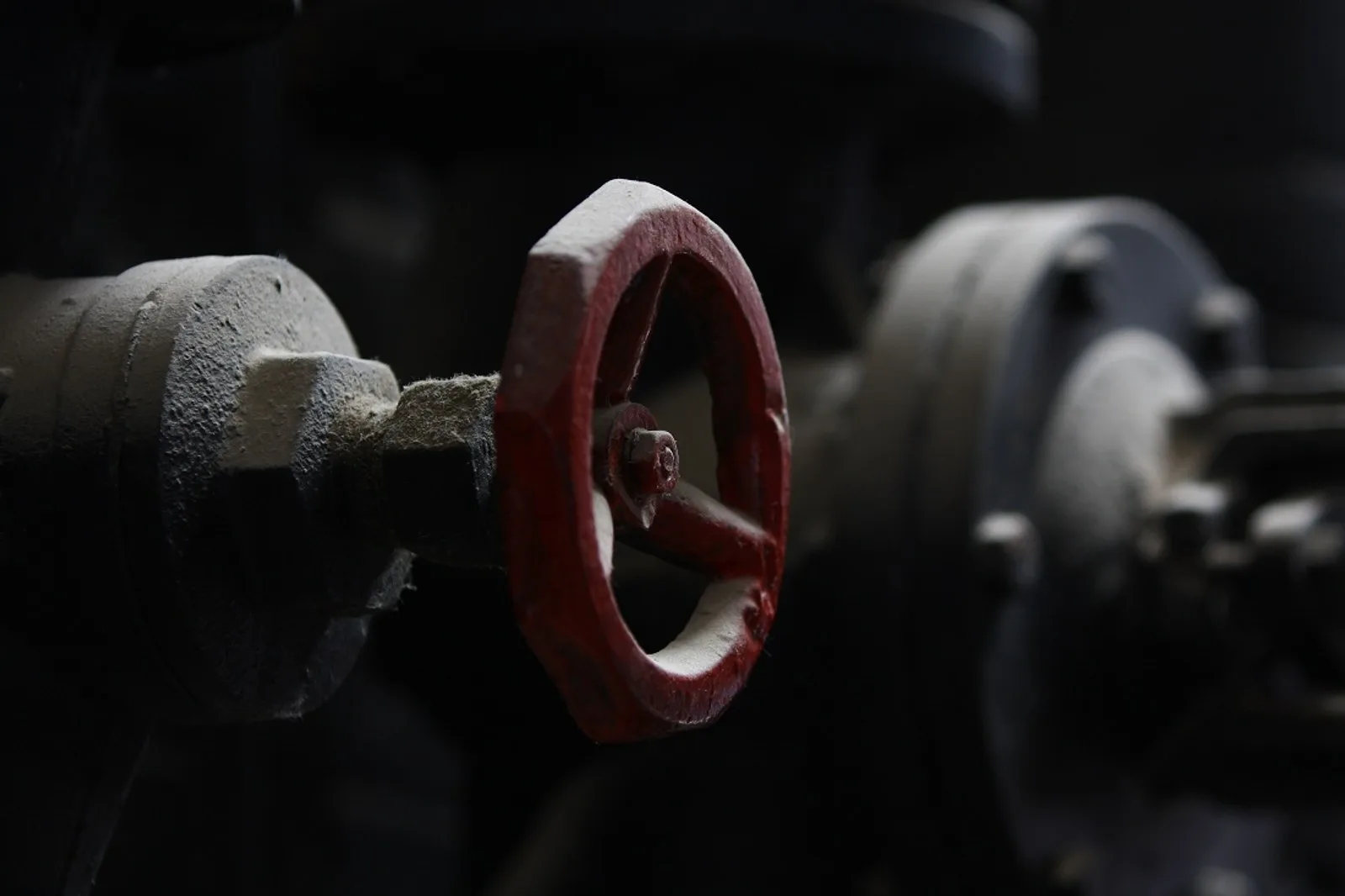
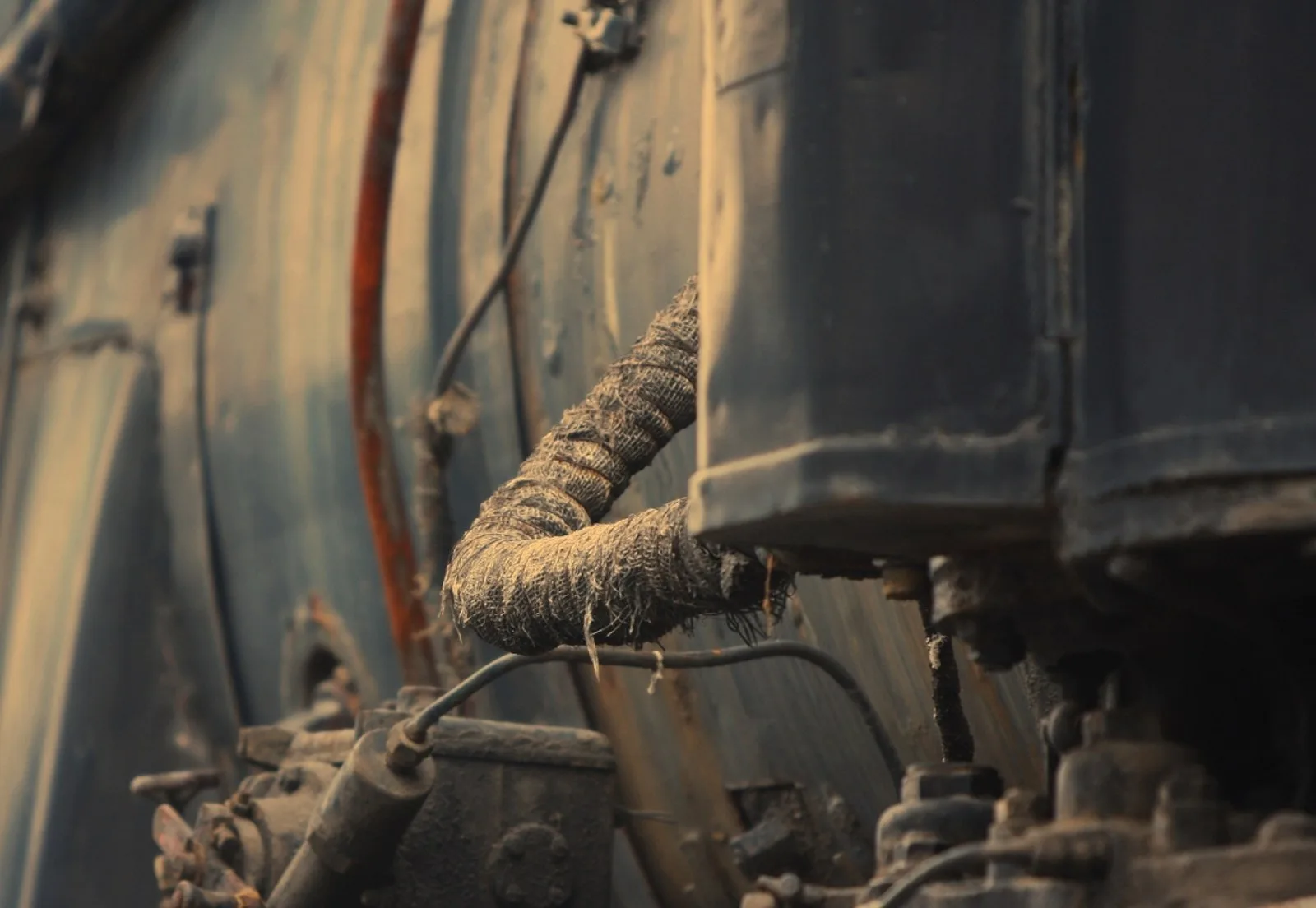
798 is not one museum but an art district built inside former electronics-factory workshops. The point is that the factory is the exhibition: red-brick sawtooth roofs, pipes and boiler houses are kept, and galleries, design shops and cafés sit inside the workshops. On a first visit you don't need to chase a particular show — walk the main street and a few landmark workshops and you'll understand why 798 feels different from a generic creative park. Plan about 3–4 hours; you can see plenty without buying anything.
Beijing 798 Art Zone
Photo: wuqiang_beijing · Taken on 2 · Source · CC BY 3.0
.jpg)
Which gate to enter
798 has no single "main gate." Two entrances are common: near Gate 4 on JiuXianQiao Road is the liveliest, with big galleries and the sign wall; the side off 798 Road inside the district is quieter and better for reading the factory façades. By metro, Line 14 to Jiangtai Station, then about a 15–20 minute walk or a bus/shared-bike ride in — check the metro official site and live maps for the exact walking route on the day. The district itself is walkable all day and charges no gate ticket.
Galleries: free vs paid
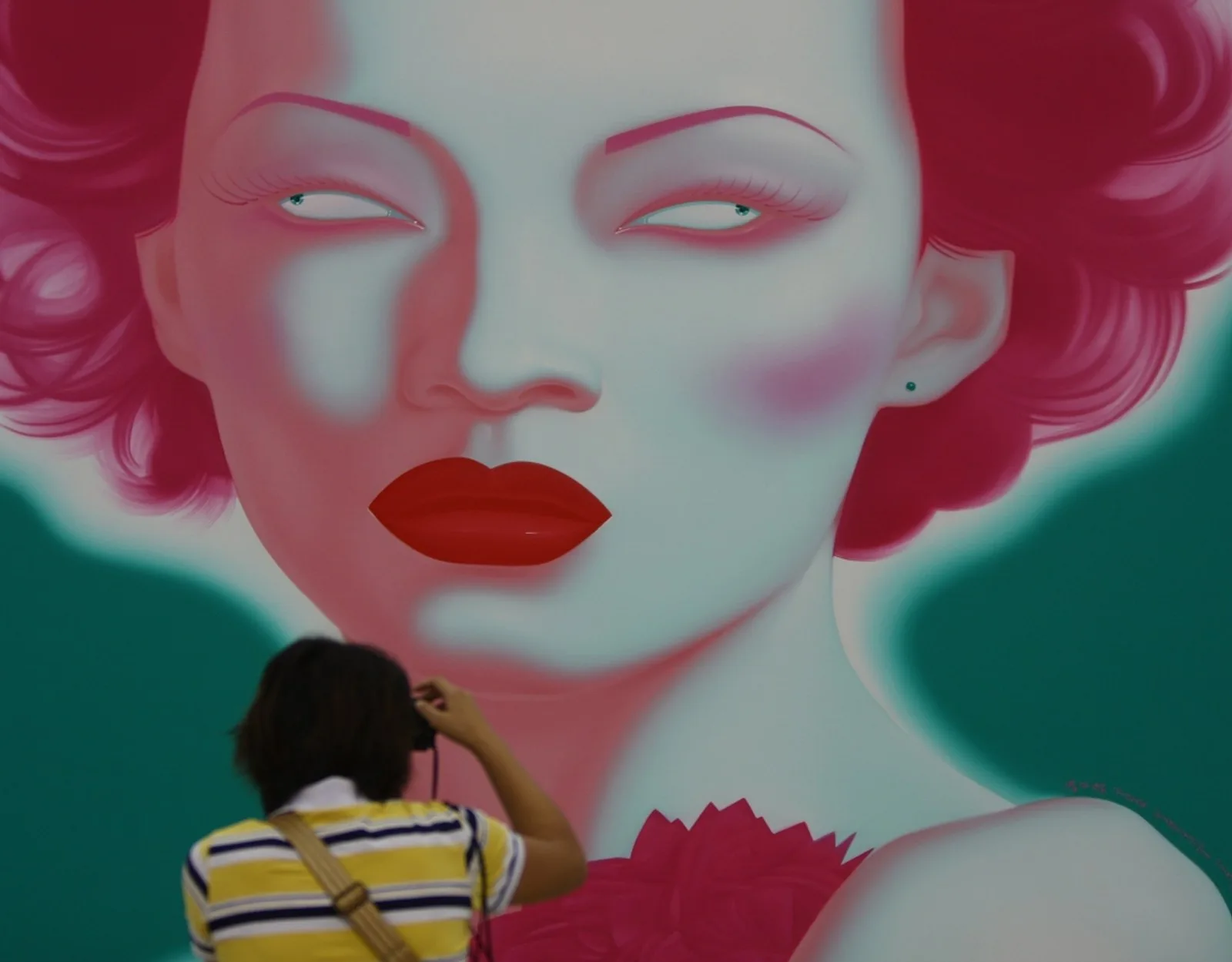
Shows here come in two kinds. Many galleries and institution spaces are free — walk in and look around, ideal for building a feel on a first visit. Museum-grade special exhibitions (large group shows, international solo shows) sell separate tickets, and prices and dates vary a lot; pay at the venue or check the official account before buying. Don't assume "everything costs" and don't assume "everything is free" — read the ticket notice at the door.
Beijing 798 Art Zone
Photo: wuqiang_beijing · Taken on 2 · Source · CC BY 3.0
.jpg)
An easy half-day route
If time is short: start at the sign wall, follow the main street to the largest workshop conversions, then duck into side lanes for small-gallery clusters; leave 30–40 minutes for one paid special show if one is on. Split "architecture" and "exhibitions" about half and half — that beats rushing through shops. The district is compact but criss-crossed with alleys; phone navigation drifts between workshops, so keep the main-street direction in mind.
Photos and what's worth shooting
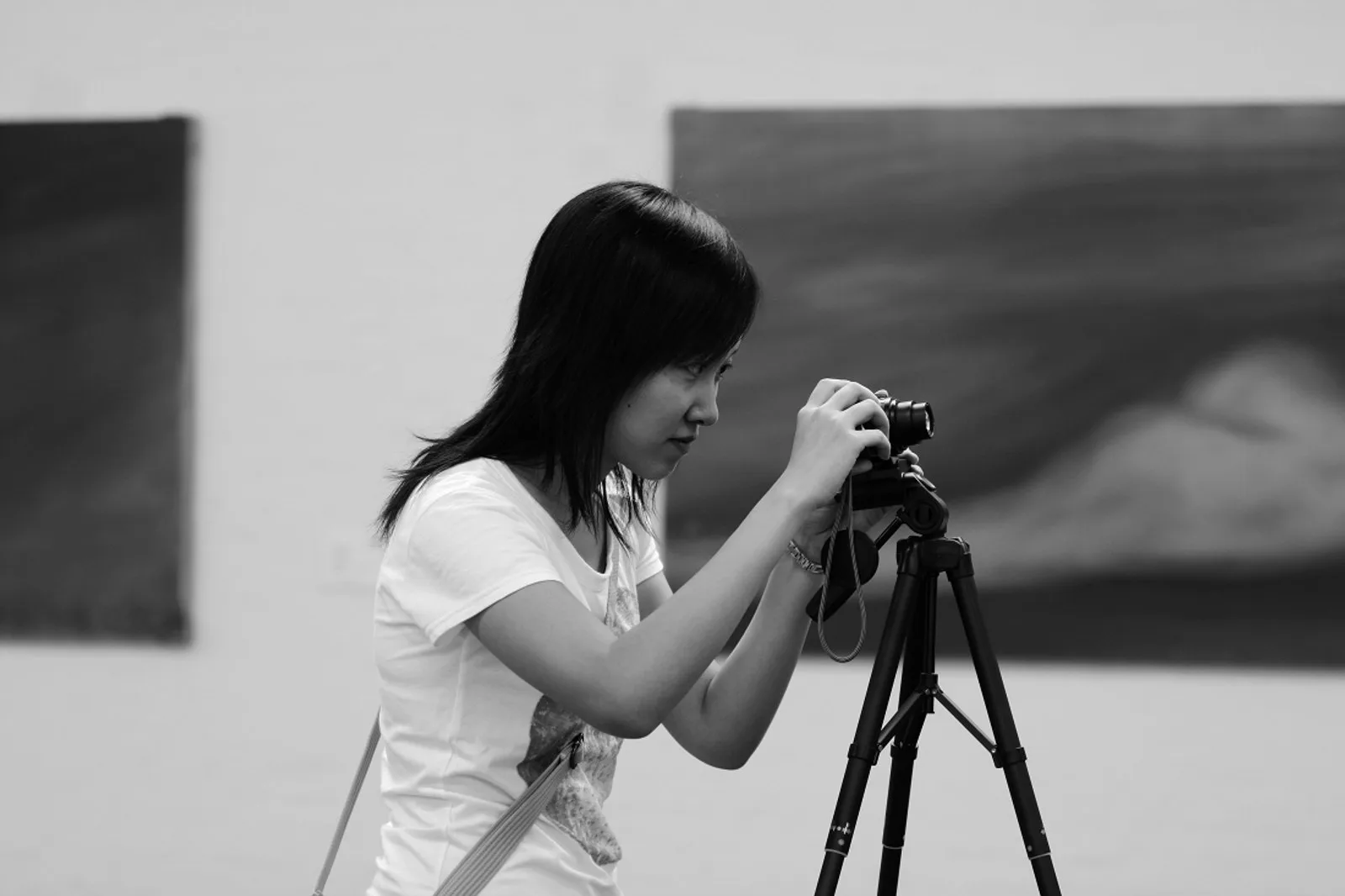
798's strength is the industrial architecture itself: kept pipes, weathering-steel plates, graffiti walls and clerestory windows all photograph well. Morning light raking down the workshop corridors is the most flattering. For fewer people, weekdays beat weekends and early afternoon beats the late-morning peak. Obey each space's rules — some paid shows ban photography, and some free spaces limit commercial shooting. Watch on-site signs.
Beijing 798 Art Zone
Photo: wuqiang_beijing · Taken on 2 · Source · CC BY 3.0
.jpg)
Eating and resting
Cafés and light meals inside are dense but generally pricier than outside; treat them as "rest + look" combos, not your main meal. To save, eat around JiuXianQiao before entering. Water is the best value. Summer walkways between workshops have little shade — sunscreen and water; winter has big indoor-outdoor temperature gaps, so layer.
First-visit notes
- Allow 3–4 hours: free spaces first, pick one special show, don't overdo it.
- Dynamic info (show schedule, ticket price, photography rules) follows on-site and official notices; this article does not replace official announcements.
- No unified district ticket, but individual exhibitions may sell tickets — read the notice at the door.
- Weekdays and early afternoon mean smaller crowds and a better visit.
Beijing 798 Art Zone
