Badaling Great Wall: Classic North Route and a Lighter South Route
World Travel 编辑部 · 2026-09-11 · 9 min read
How to plan Badaling
Badaling has many transport options and is a practical choice for a first Beijing visit that wants a classic Great Wall experience in half a day or a full day. The scenic area is commonly organised around the pass, north route and south route, but open towers, tickets, real-name booking, cable cars, slides and shuttles can change. This guide offers route logic only; it does not treat old guidebook times or prices as current facts. Check the official Badaling notice before departure.
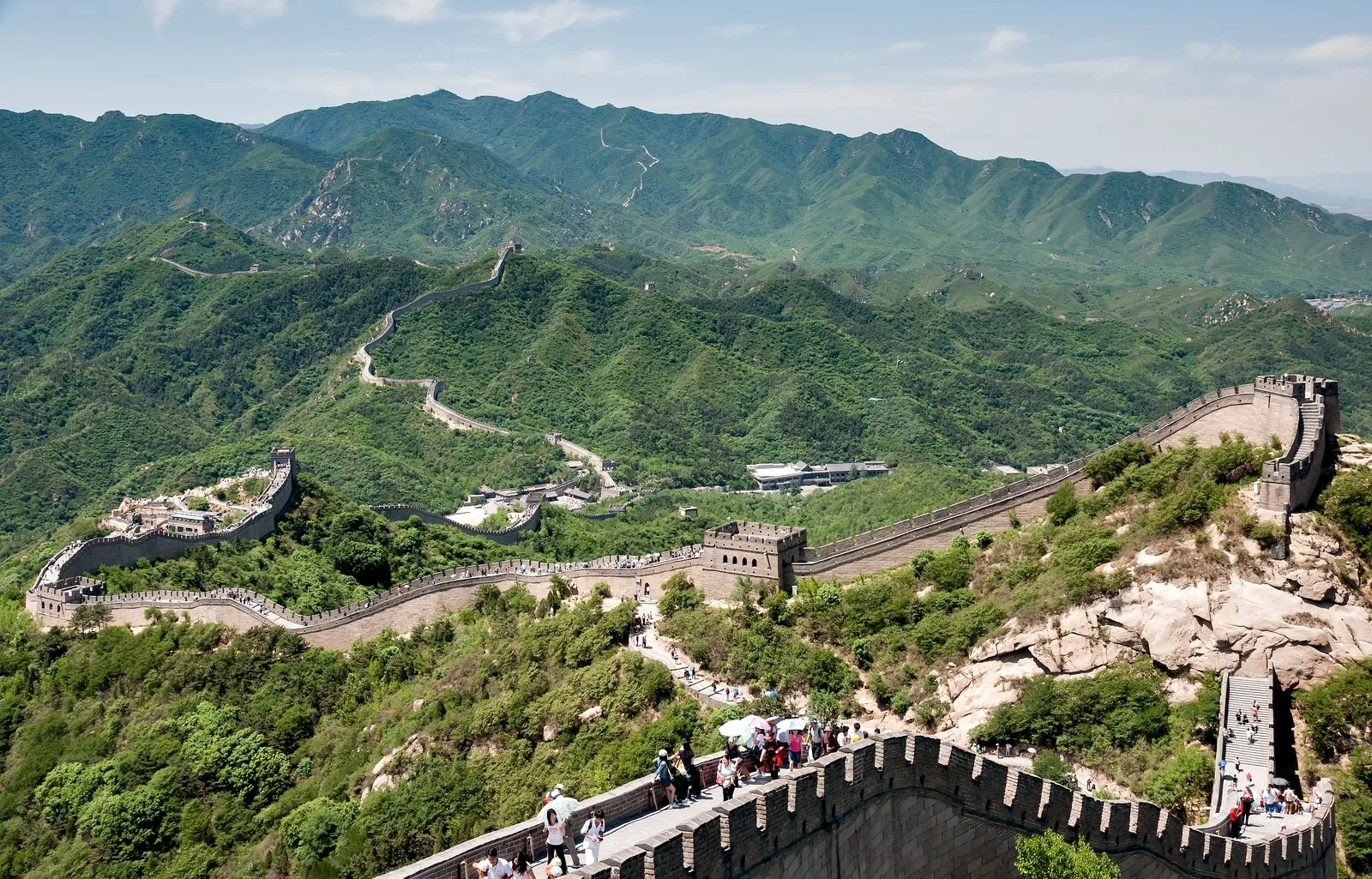
Badaling, China: Great Wall of China at Badaling
Photo: CEphoto, Uwe Aranas · 2009-06-03 · Source · CC BY-SA 3.0

Classic north route: from the pass toward North Eighth Tower
With suitable fitness, start from the north side of the pass and follow the currently open direction, using representative towers as short goals. Do not begin with a promise to reach the farthest point. First assess the slope, crowding and the group's condition. North-route towers, parapets and ridge views work well as separate pauses. If a knee or breathing problem becomes clear, turn back from a safe location rather than forcing the route.
Split the visit into entry checks, the main climb, rest and photographs, then descent and return. As an editorial estimate, allow three to five hours inside the scenic area. Booking slots, ticket checks, crowds, equipment queues and weather can change the actual duration. Do not climb parapets, cross barriers or enter unopened areas, and keep steps and narrow lanes clear while taking photographs.
The south route and family choices
For a shorter plan, or for a group that cannot stay on steep steps for long, consider the south route if it is open that day. “South route” does not mean flat or effortless. Check steps, handrails, rest points and the return method. With older people, children or knee problems, confirm whether a cable car, slide, lift or other assistance is operating before deciding how far to go.
The official site lists highways, buses, the S2 railway and the Beijing–Zhangjiakou high-speed railway as transport directions, but schedules, station transfers and holiday arrangements must be checked with the railway, bus operator and attraction separately. Drivers should note the transfer after parking; public-transport users should allow for traffic and queues. Do not treat a charter advertisement, unofficial guide or personal ticket link as an official service.
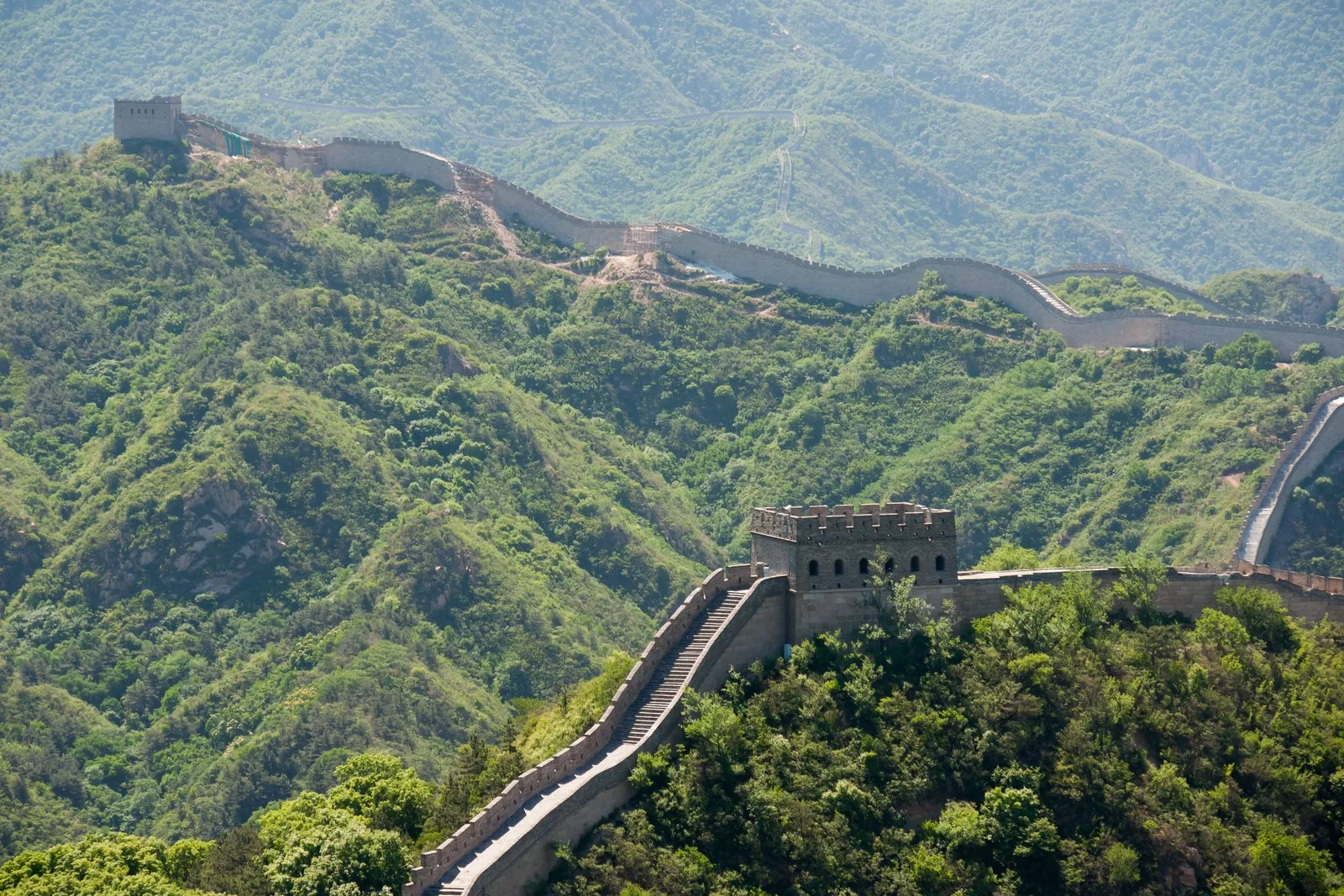
Badaling, China: Great Wall of China at Badaling
Photo: CEphoto, Uwe Aranas · 2009-06-03 · Source · CC BY-SA 3.0

Weather, safety and heritage care
Spring and autumn can be windy with large temperature changes. Summer requires sun protection and water; winter requires care with cold and ice. Thunderstorms, strong winds, snow, maintenance and major events can affect access. When the site closes an area, limits entry or asks people to turn back, follow the safety instruction. Wear shoes with grip, carry light luggage and never light fires, smoke, litter or carve the bricks.
Children and older visitors should not be left at the end of a group without a meeting plan. Respect privacy when photographing people. Do not label another wall section, a station or an ordinary mountain road as Badaling. This article does not invent “must-visit viewpoints”; it describes scenery that can be checked.
Sources and photo candidates
Official opening, transport and booking entries, together with background references, are recorded in sources.json. The photo candidates are Wikimedia Commons scenes explicitly identified as Badaling, with authors, dates, description pages and licences in photos-candidates.json. They were taken in earlier years and do not represent today's crowds, vegetation or facilities.
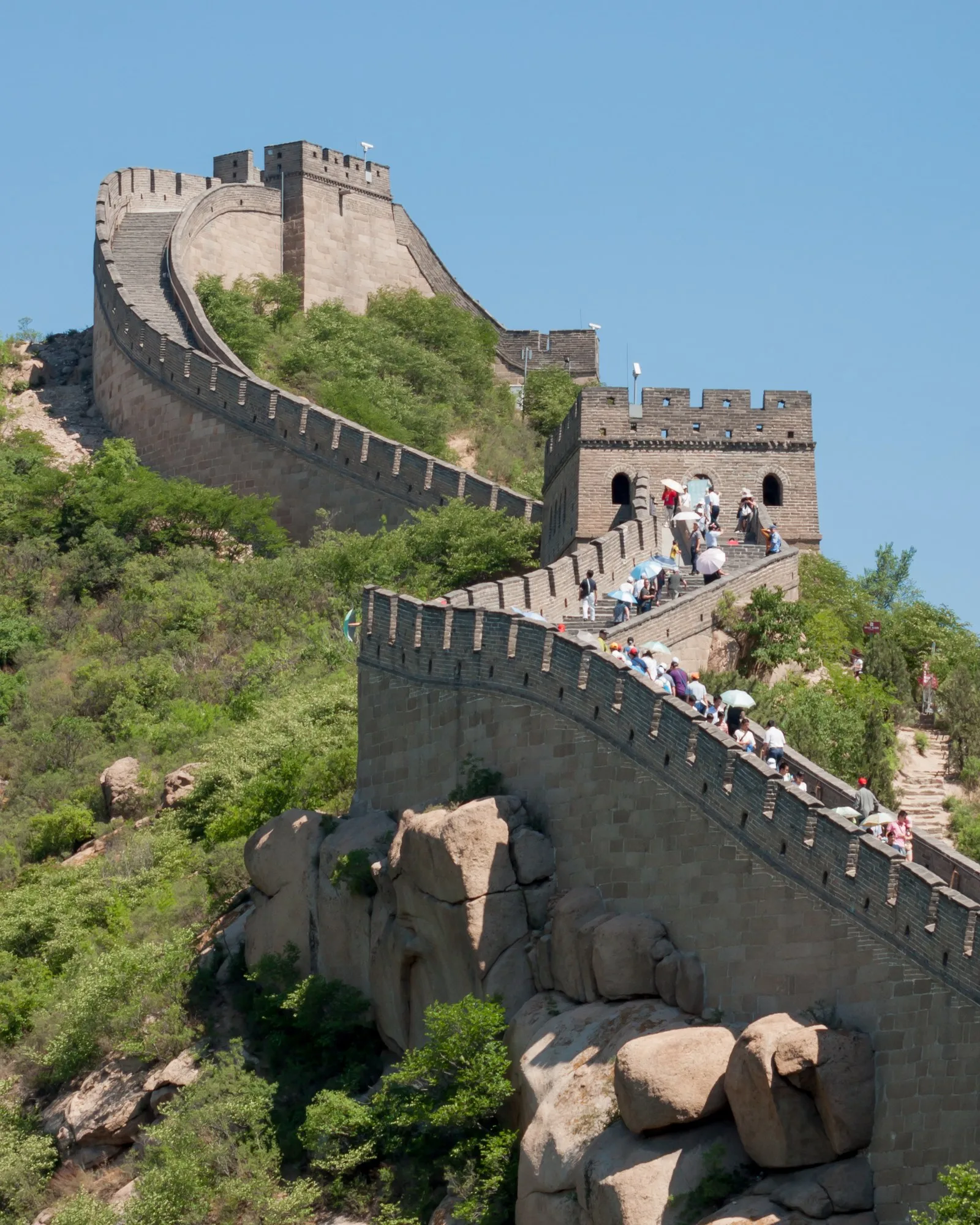
Badaling, China: Great Wall of China at Badaling
Photo: CEphoto, Uwe Aranas · 2009-06-03 · Source · CC BY-SA 3.0

Image placement
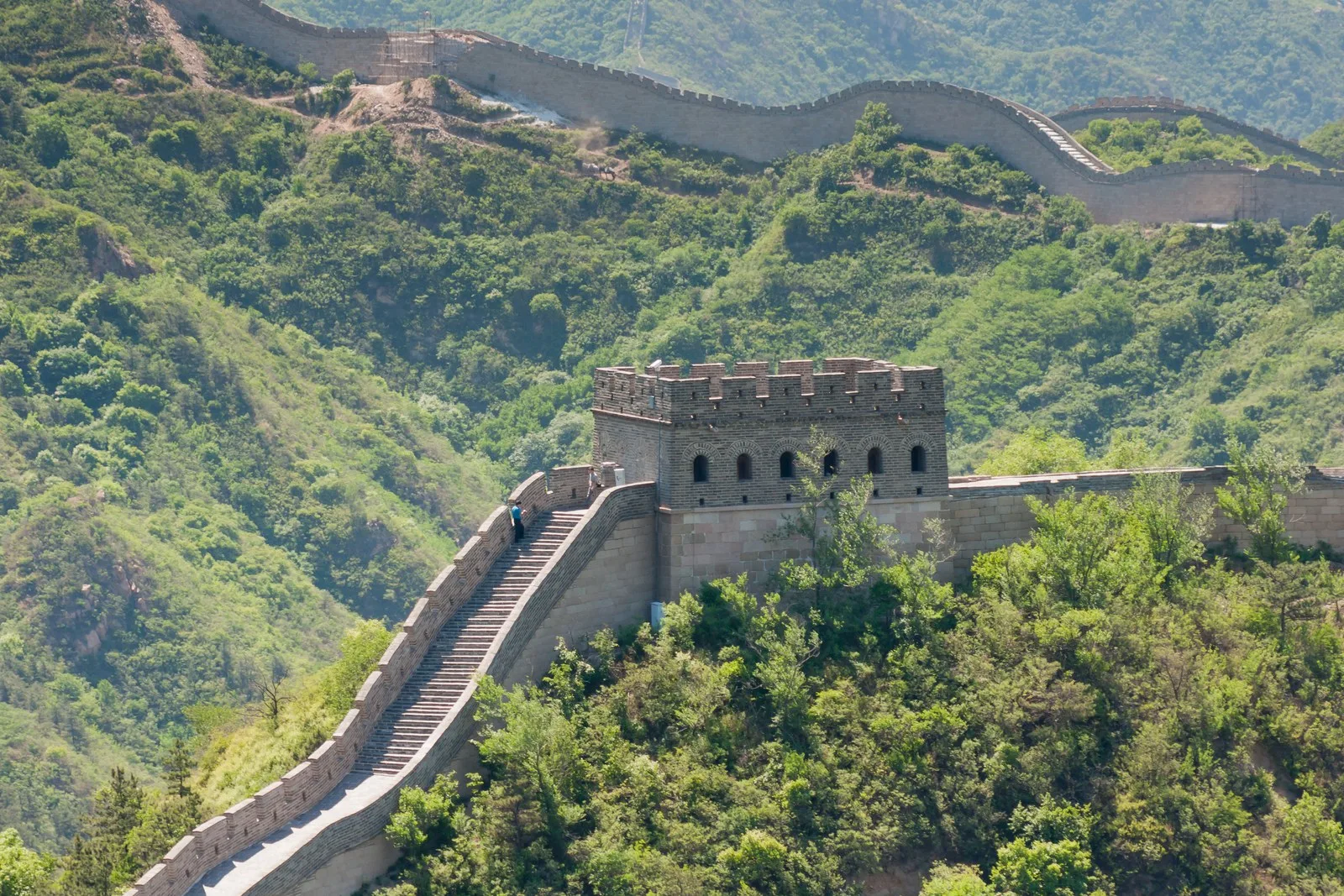
Badaling, China: Great Wall of China at Badaling
Photo: CEphoto, Uwe Aranas · 2009-06-03 · Source · CC BY-SA 3.0

IMG1 can show the ridge, IMG2 a north-route tower, IMG3 a south-route or wall detail, and IMG4 an accurately labelled distant view. If the open area differs from an older photograph, revise the text so the historical image is not presented as current evidence.