A Half-Day at Fayuan Temple: The Minzhong Legacy, Lilac Season and a Niujie Link
World Travel 编辑部 · 2026-09-11 · 7 min read
What you can take in in half a day
Fayuan Temple sits in the Xuanwumen area (now Xicheng); its predecessor was the Tang-era Minzhong Temple, built by Emperor Taizong to mourn soldiers who died in the Liaodong campaign. It is among Beijing's oldest surviving Buddhist monasteries and today houses the Beijing Buddhist Institute. It's not as busy and incense-filled as Yonghe Temple; it leans quiet and scholarly. On a first visit, treat it as "a temple with a thousand years of memory" and look slowly: the Tianwang Hall, the Mahavira Hall, the Minzhong Terrace and the old trees. Plan about 2 hours; you can add Niujie for food.
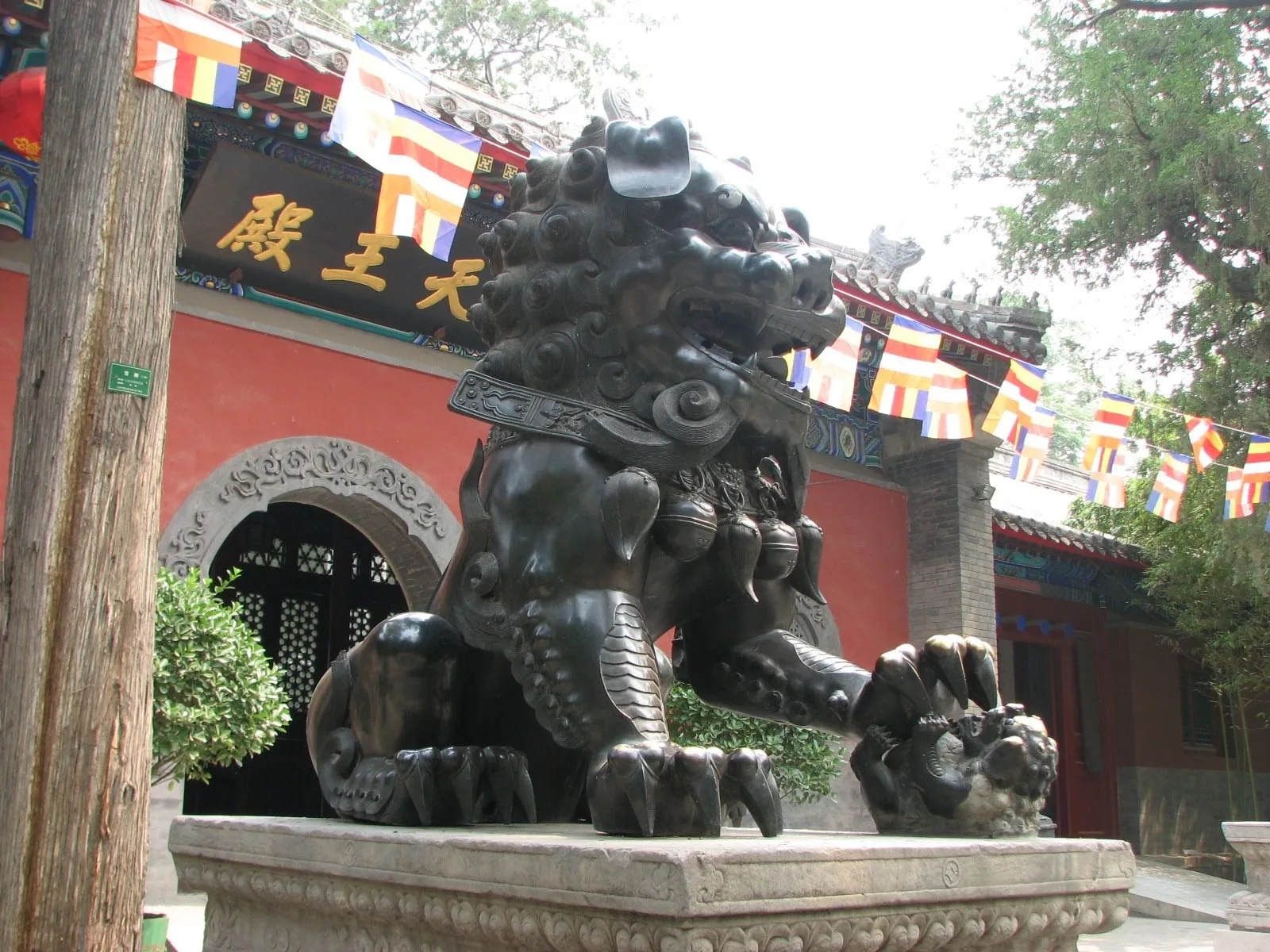
Fayuan Temple in Beijing, China
Photo: Walter Grassroot · 2008-06-09 · Source · CC BY-SA 3.0

Location and opening
Fayuan Temple is around Nancaiyuan (Fayuansi Qianjie); exact bus/metro and opening hours follow the management's notice. Daily visiting requires a ticket; price and closing day may shift with Buddhist events, so on-site is most reliable. Inside, keep quiet and follow the temple's guidance; indoor incense is usually not lit. As a working religious site, respect the monks' and worshippers' activities.
Route: the central axis as history
Enter at the gate and follow the axis through the Tianwang Hall, the Mahavira Hall, the Guanyin Hall, the Pilu Hall, then the Minzhong Terrace at the back. The Minzhong Terrace area is the core of the "Minzhong Temple" memory, with many steles and old trees; the temple's famous trees are best in spring. The grounds are small — follow the axis. For the "oldest" evidence, focus on the steles and hall foundations around the Minzhong Terrace; exact dates follow the temple and heritage labels.
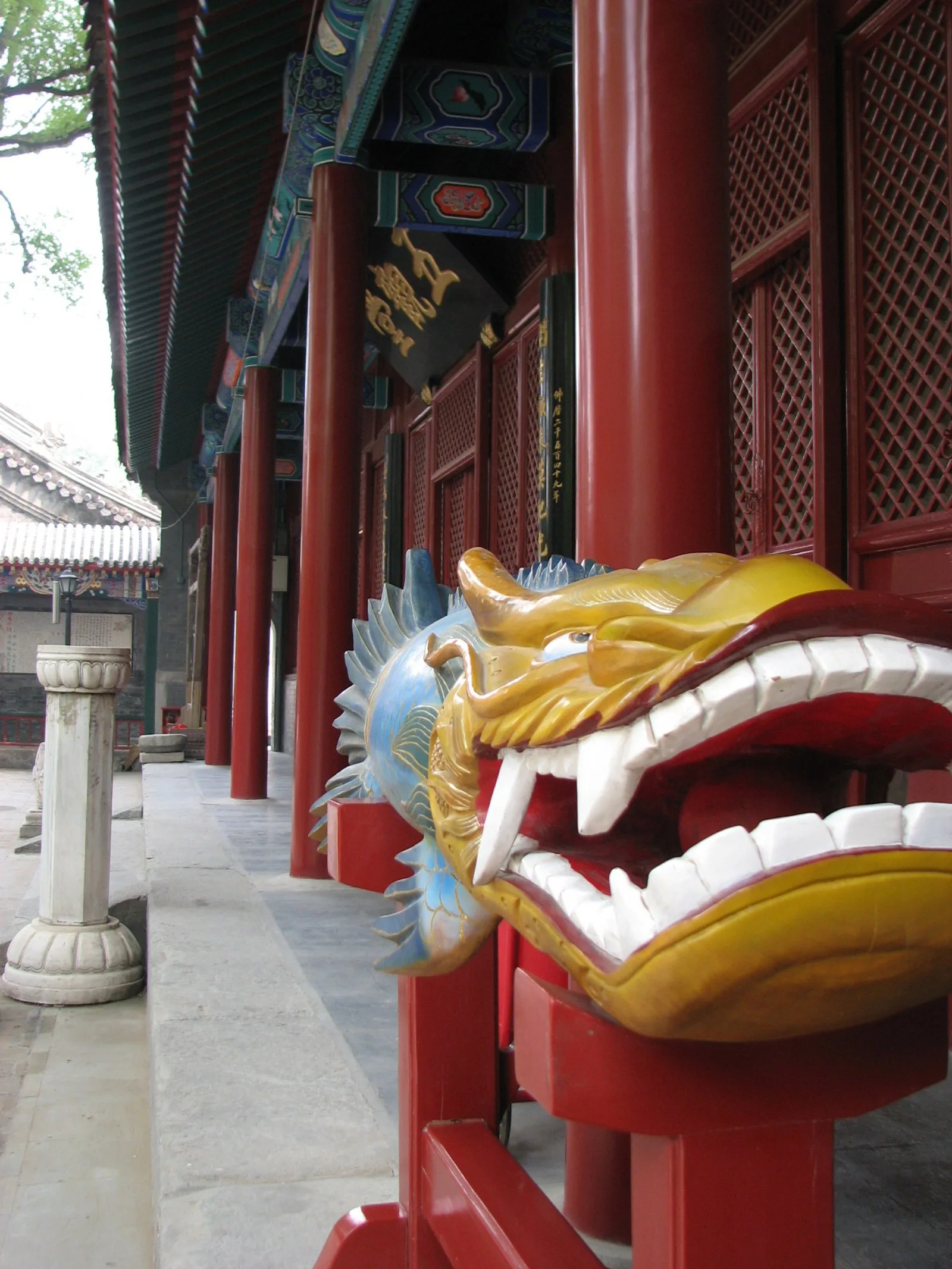
法源寺之鱼龙,相传鱼误吞龙珠,则形成龙头鱼尾状,古以寓“消灾挡煞,招财纳褔”。
Photo: Walter Grassroot · · Source · CC BY-SA 3.0

Lilac season
Fayuan Temple is known for its old lilacs; traditionally, when the lilacs bloomed, scholars gathered here. The season is usually late spring (exact timing follows that year's weather), and the courtyard fills with scent and some crowds. If you come specially for the lilacs, a weekday morning is calmer; the bloom shifts with weather, so check the forecast before going. Outside the season, the steles and trees alone reward a slow visit.
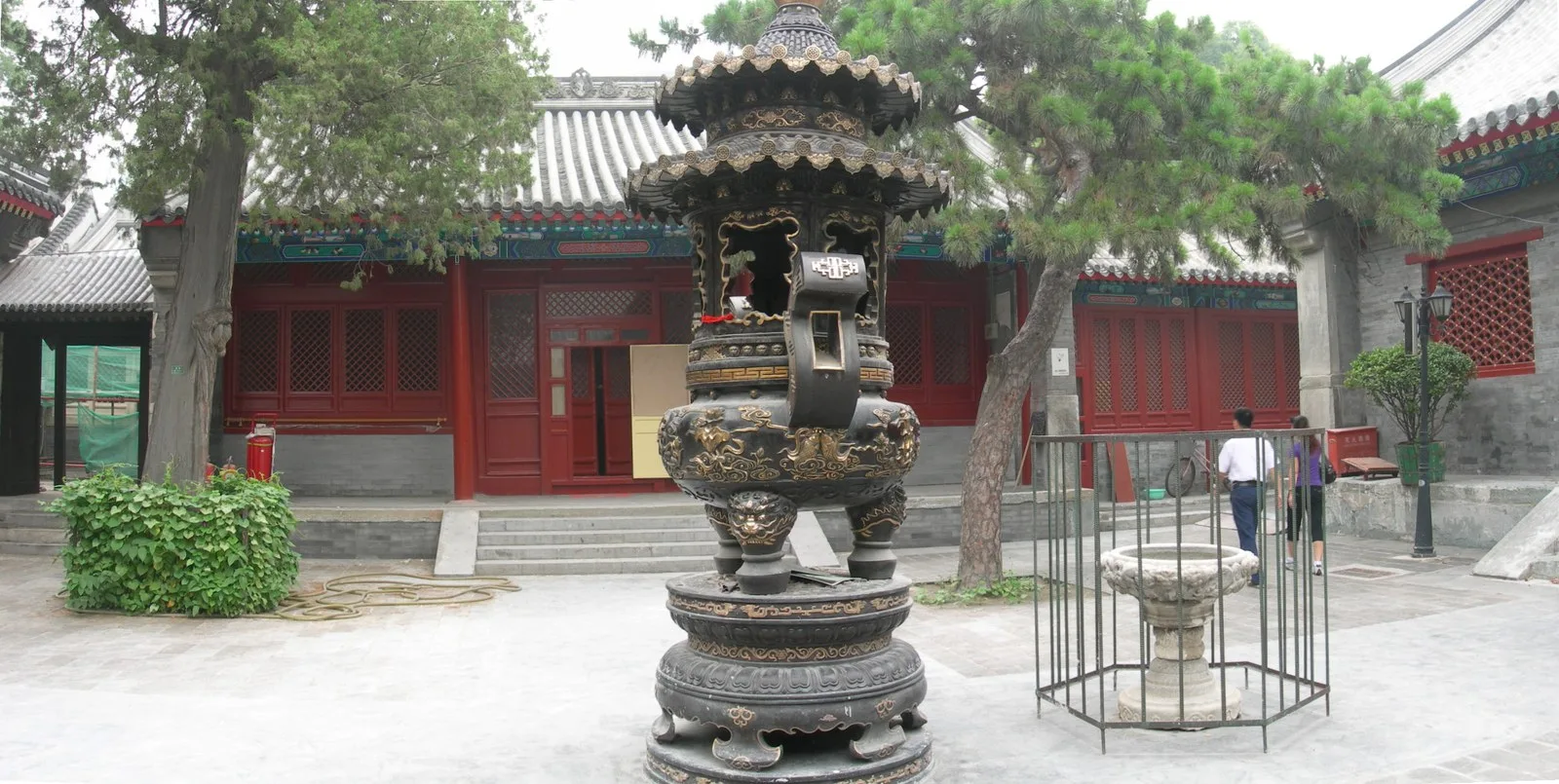
法源寺
Photo: caoyadong · 12 May 201 · Source · CC BY-SA 3.0

How to chain with Niujie
Fayuan Temple is not far from Niujie, about a 15–20 minute walk. Niujie is Beijing's famous halal-food cluster — Jubaoyuan and various snacks and pastries are here. A common plan is Fayuan Temple in the morning and Niujie for lunch, or the reverse. Note: the temple and Niujie are two scenes — one quiet, one lively; the rhythm change is normal. Restaurant hours follow the vendors.
First-visit notes
- Daily ticket; price and closing day shift with Buddhist events — on-site notice rules.
- Axis route: gate → Tianwang → Mahavira → Guanyin → Pilu → Minzhong Terrace.
- Lilac season is late spring; weekdays avoid peaks; bloom follows the year's forecast.
- Add Niujie for food; respect the tempo gap between a religious site and a food street.
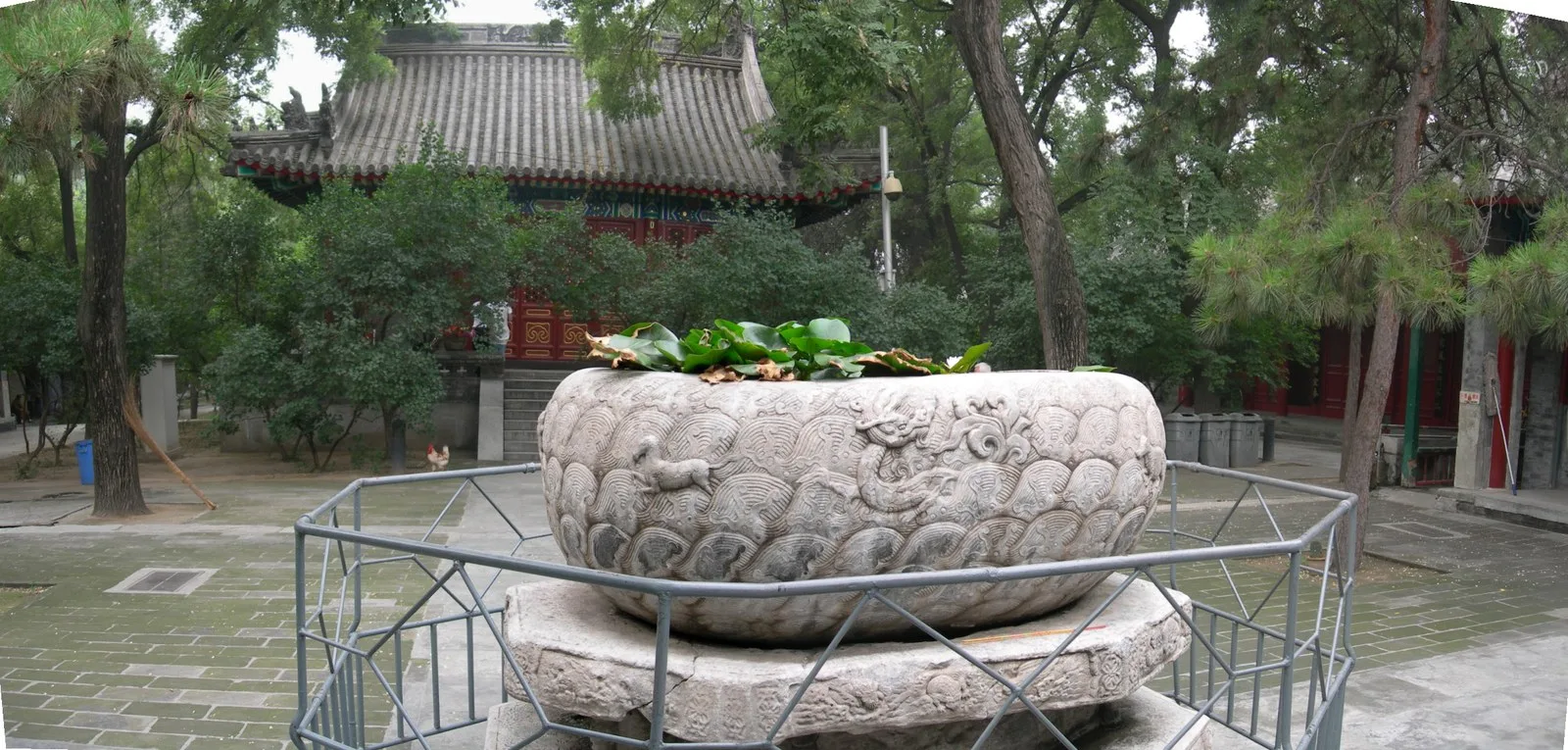
法源寺
Photo: caoyadong · 12 May 201 · Source · CC BY-SA 3.0
.jpg)