Ming Tombs: A History-Focused Route through the Sacred Way, Changling and Dingling
World Travel 编辑部 · 2026-09-11 · 9 min read
Understand the “thirteen” as a whole
The Ming Tombs are not one tomb that can be seen from one entrance. They are an imperial burial complex from the Ming period around Tianshou Mountain in Changping. For a first visit, treat the Sacred Way, Changling, Dingling and any other currently open tombs as different layers: understand the overall order first, then study the buildings and displays of one tomb. Half a day suits two priorities; a full day gives more room for links between sites. Open lists, reservations, prices and transfers can change; use the official site and on-site notice.
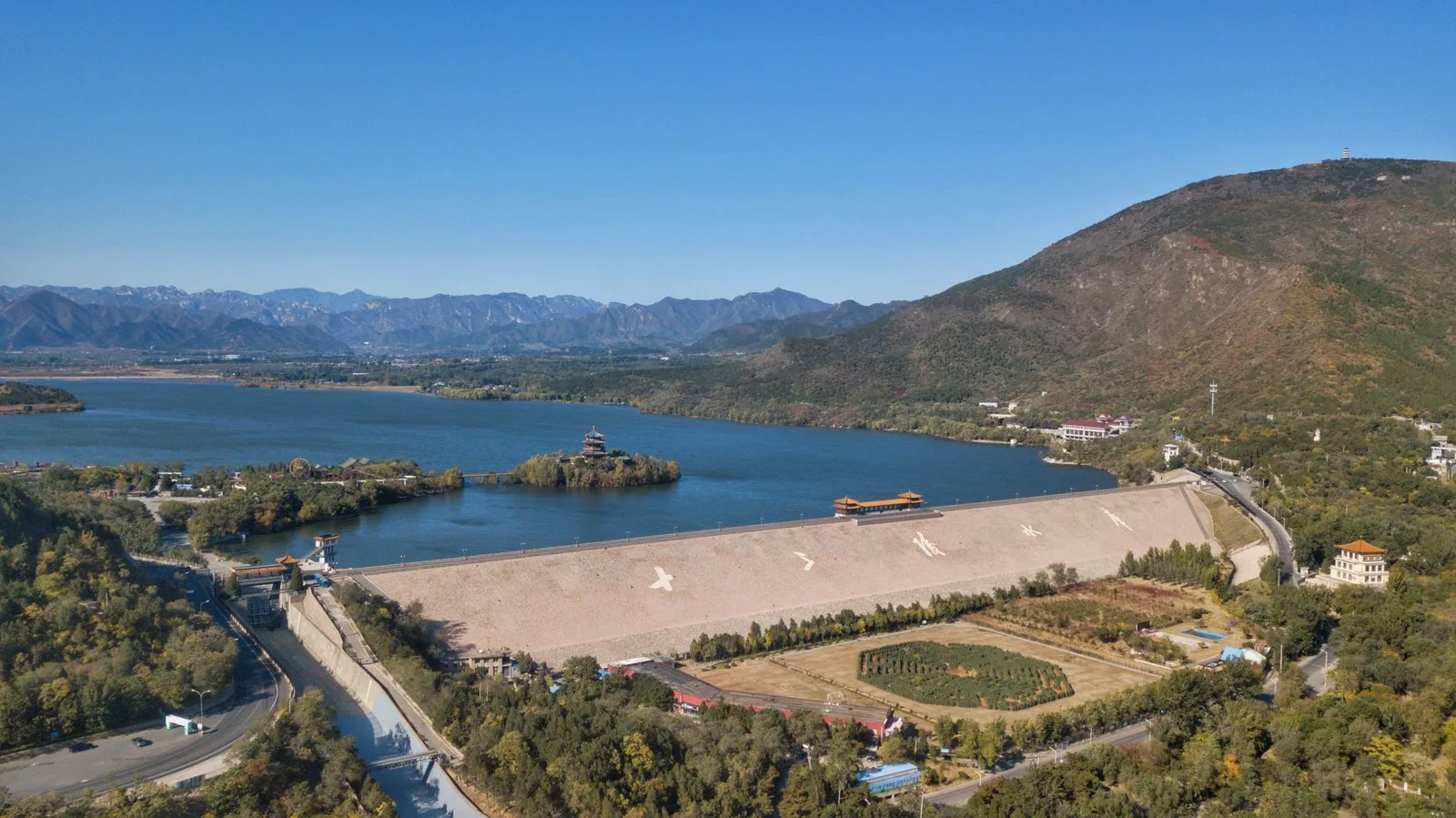
The Ming Tombs Reservoir(十三陵水库) is a dam in Changping District of northern Beijing. Named for the Ming tombs nearby.
Photo: Charlie fong · 2019-10-25 13:48:27 · Source · CC BY-SA 4.0

A half-day line: the Sacred Way plus one tomb
For a history-focused first visit, begin with the Sacred Way and then choose Changling, Dingling or another tomb that is open that day. The Sacred Way provides a spatial sequence through gateways, stone statues, the stele pavilion and the central road. A tomb visit is slower: look at courtyards, gates, halls, walls and the mountain backdrop. Do not turn an online “three must-see tombs” list into a fixed route before checking access and booking.
Sites may be far apart; map proximity does not guarantee an easy walk. Plan transport, parking, transfers and food separately. If a companion has limited energy, reduce the number of sites and allow time for each one. Follow the designated route around heritage buildings, and never touch, climb or cross barriers.
Reading Changling, Dingling and access changes
Changling is useful for understanding scale and the overall axis. Dingling's underground palace, displays and open areas must follow the current notice. A place that was open for years is not necessarily open today. Official background material describes the tomb complex as developing over a long historical period. Use three questions while visiting: how the Ming burial system worked, why the mountain setting matters and how heritage access is managed.
For a first visit, focus less on unsupported anecdotes and more on verifiable relationships: how the road approaches the tomb, how the mountain frames it, and how gates and courtyards organise ceremony. Do not add un sourced legends, figures or “only” claims. Guide services, exhibitions, audio tours and souvenir shops also require current confirmation.
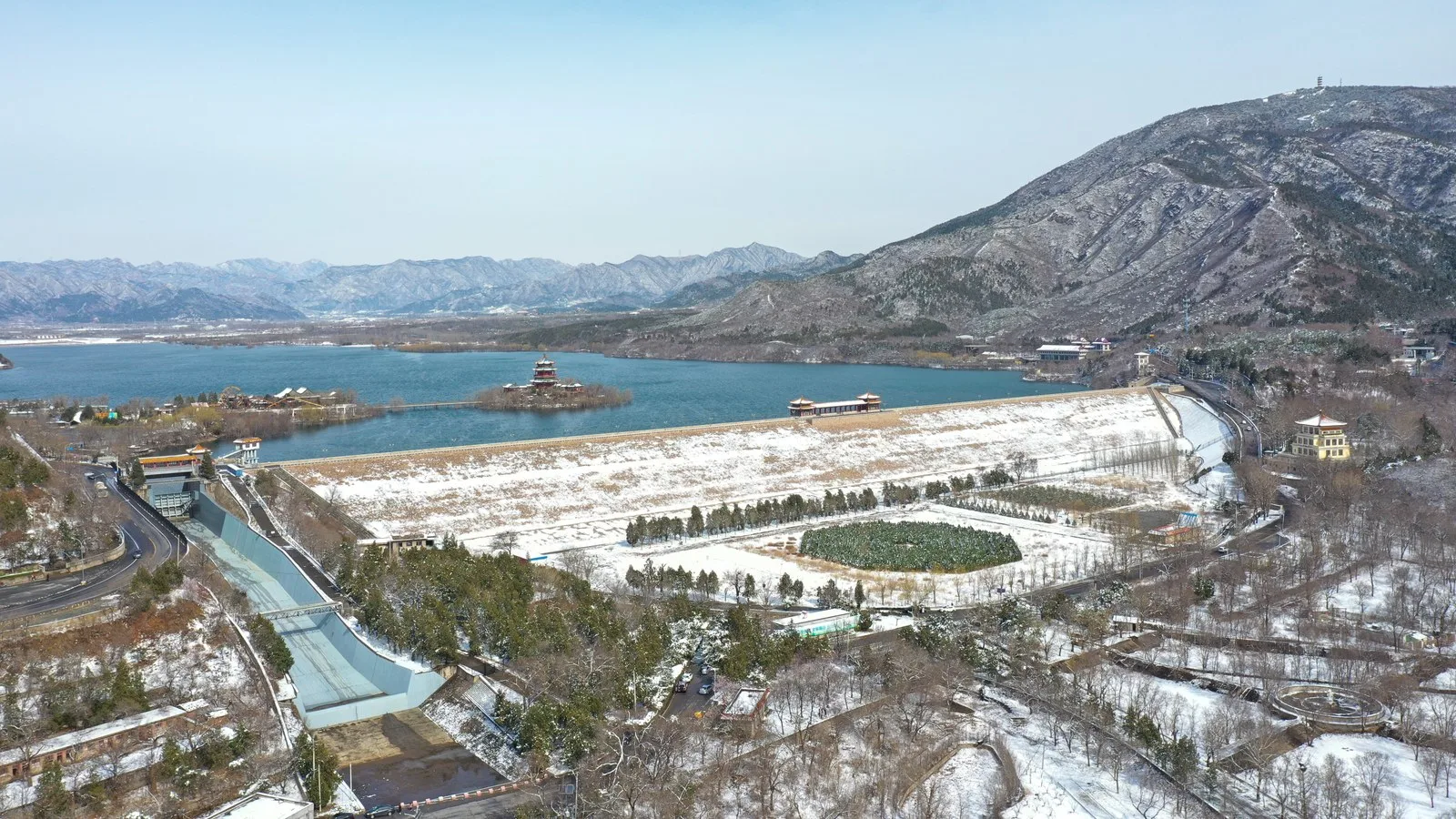
Ming Tombs Reservoir after snow, Changping.
Photo: Charlie fong · 2022-03-19 10:13:52 · Source · CC BY-SA 4.0

Bookings, transport and etiquette
The official Ming Tombs site provides destination information and booking entry. Before leaving, confirm the current open tombs, time slots, identity requirements, concessions and entry method. Do not use a second-hand booking screenshot or treat an old third-party price as an official rule. The journey to Changping can take time; leave buffers in the morning and for the return rather than assuming the last transfer will be available.
There are outdoor paths and extended walking sections. Wear comfortable shoes and carry water and sun protection. Summer heat, winter wind and cold affect the plan; schedule rests for older visitors and children. The tombs are heritage sites: do not carve or lean on the Sacred Way, halls or walls, raise your voice or fly a drone in a way that interferes with visitors or protection work.
Sources and photo candidates
Sources.json records the Beijing Cultural Heritage Bureau, government portal and official Ming Tombs background and update entries. The candidates in photos-candidates.json mainly show the Ming Tombs Reservoir, nearby skyline and Ming Tombs Station. They are not automatically Changling, Dingling or the Sacred Way; label them from the description page. Authors, dates, licences and source pages are recorded there.
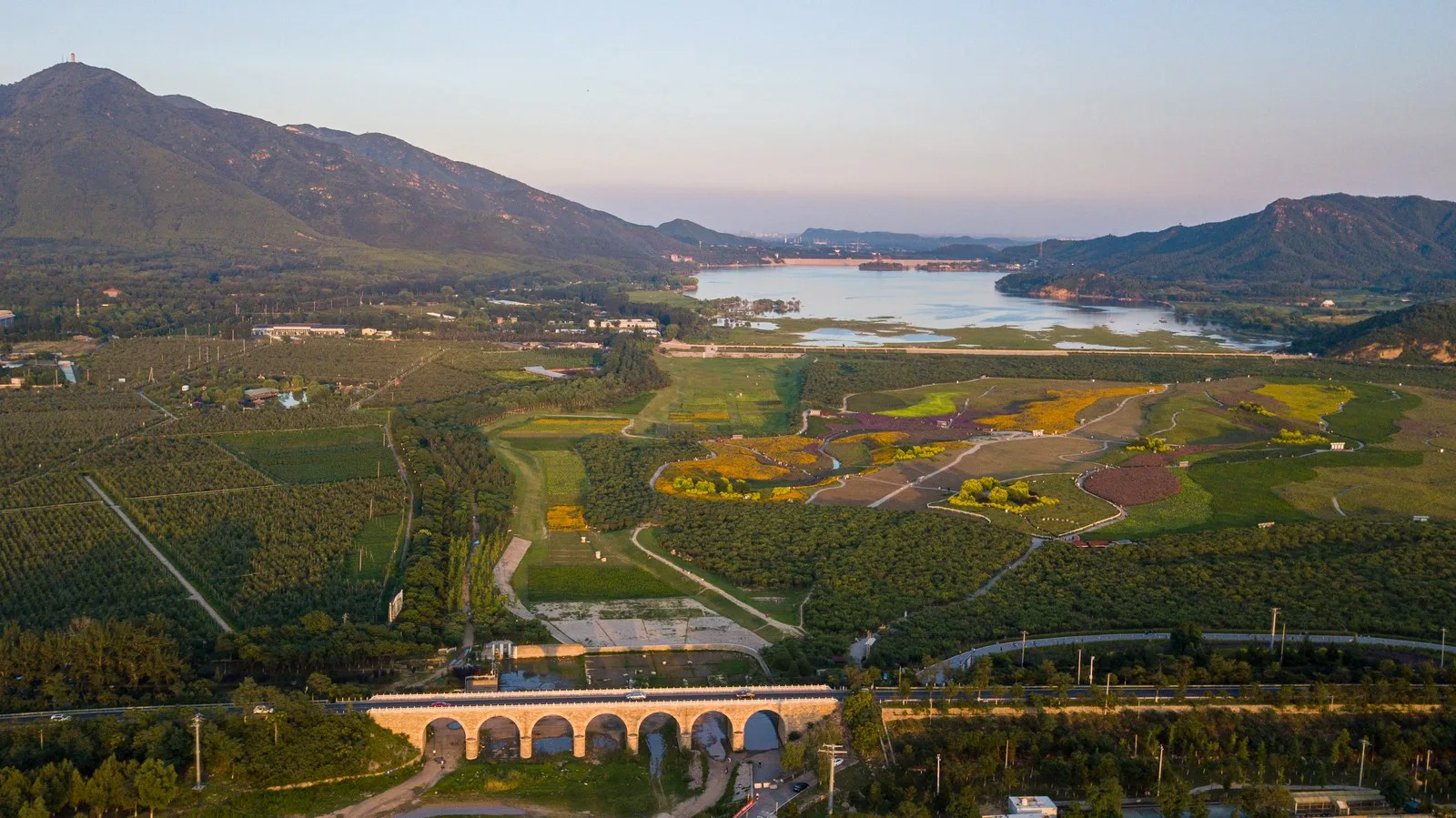
从十三陵镇向东眺望十三陵水库天际线,左侧为莽山。
Photo: Charlie fong · 2020-07-07 19:08:03 · Source · CC BY-SA 4.0

Image placement
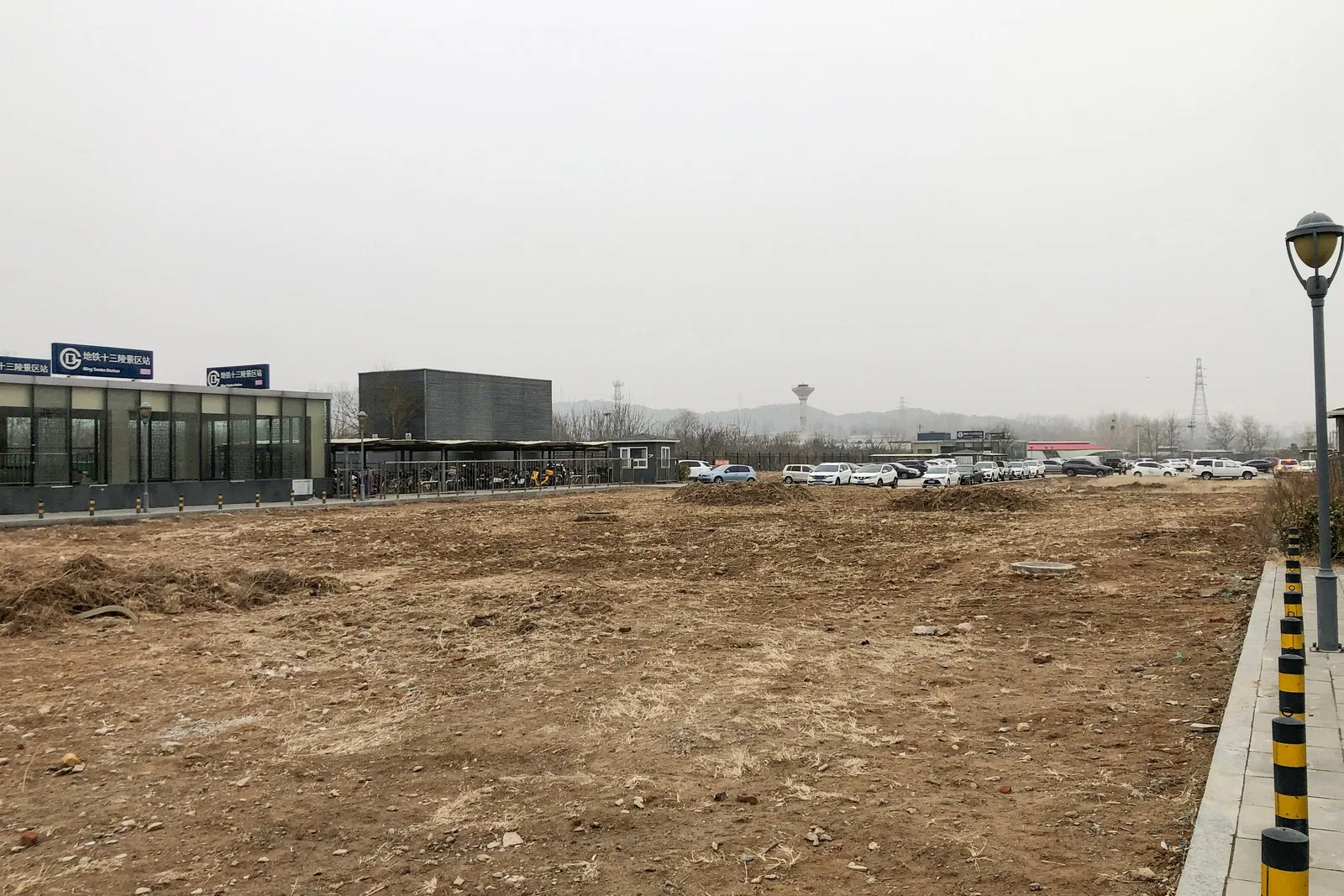
A truly "ghost station" in an isolated village!
Photo: N509FZ · 2021-03-03 17:23:29 · Source · CC BY-SA 4.0
.jpg)
IMG1 can show the complex or mountain setting, IMG2 a Sacred Way or architectural detail, IMG3 a clearly labelled surrounding landscape such as the reservoir, and IMG4 another verifiable wide view. When the open list changes, review the article and captions together.