Visiting the National Museum of China: Reservations, Galleries and a Half-Day Plan
World Travel 编辑部 · 2026-09-11 · 9 min read
Reserve first, then choose what to see
The National Museum of China is large and its exhibition programme is extensive. A successful half-day visit depends on choosing rather than collecting. Complete the free real-name reservation first, confirm the entry slot, and only then choose a route from the exhibitions open that day. Allow around four hours as an editorial suggestion, not a museum promise.
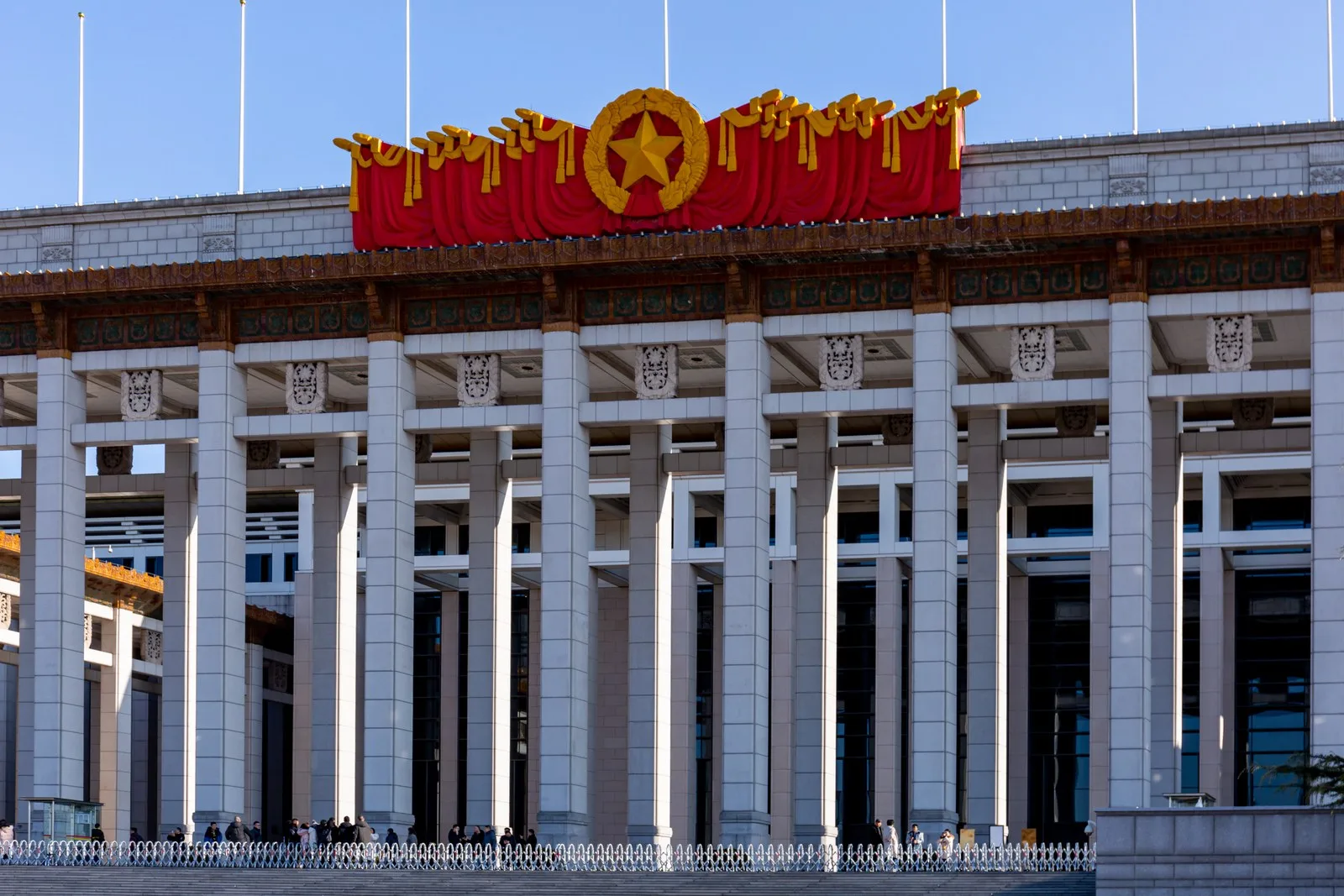
The National Museum of China in Beijing.
Photo: Balon Greyjoy · 2020-01-10 11:26 · Source · CC0

Official reservation and opening information
The museum's official visitor page states that normal opening is 09:00–17:00, with entry stopping at 16:00, and that it closes every Monday except statutory holidays. It also says that during the high-demand period from 1 June to 31 October, opening may be extended to 17:30 with entry stopping at 16:30.
The official reservation system says visitors may book free admission up to seven days ahead through the museum website, its official reservation mini-program, WeChat mini-program and official WeChat account. It lists timed entry sessions and says tickets are released daily at 17:00. Keep the successful reservation notice and bring the original reservation document to the north entrance. Visitors without a booking, with mismatched identification or who miss the time slot cannot pass verification. Read the current rules carefully because reservation frequency, cancellations and no-show limits can affect future bookings.
A half-day viewing method
After entering, check the floor map and the exhibition list for that day. First-time visitors can follow one broad historical or thematic line, in chronological order where possible, instead of repeatedly crossing floors. If you have a strong interest in a type of object, choose one subject and look closely; there is no need to treat every permanent exhibition as a checklist.
Place the exhibition you most want to see in the first part of the visit, when it is easier to read labels with attention. For each object, look at form, material and use before reading the detailed text. For temporary shows, check whether there is an extra ticket or a separate entrance arrangement. Exhibitions can change, so this article does not promise that a named temporary show will remain open.
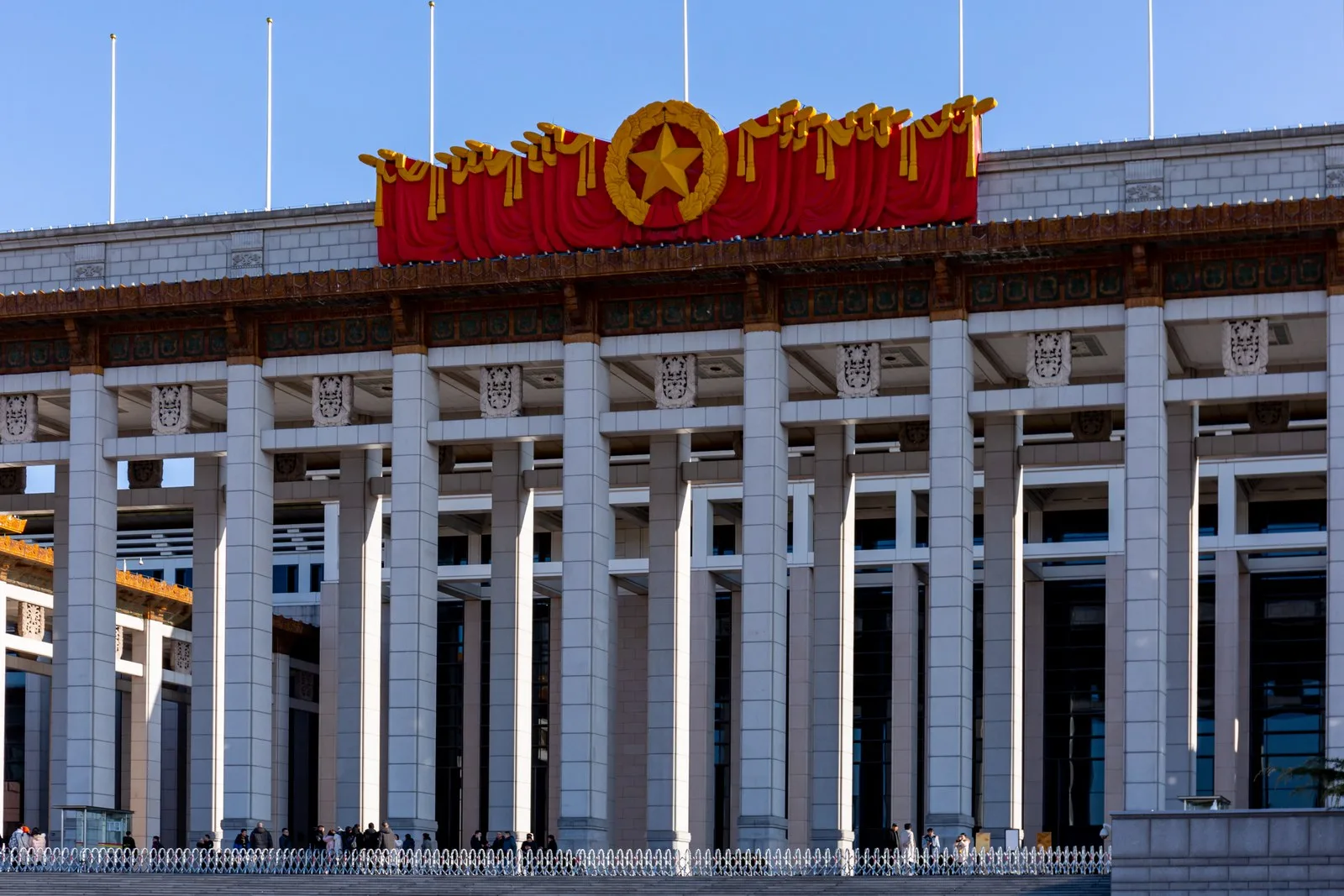
The National Museum of China in Beijing.
Photo: Balon Greyjoy · 2020-01-10 11:26 · Source · CC0

Entry and museum rhythm
The museum is at 16 East Chang'an Avenue in Dongcheng District, on the east side of Tiananmen Square. The official site lists Tiananmen East Station and other transport information. Security and crowds in the Tiananmen area can affect arrival time, so do not schedule the reservation too tightly. Prepare your identification and reservation notice before joining the north-entrance line.
The museum provides services including storage, service desks, a nursing room, food and rest areas and a cultural shop, but exact locations and availability follow on-site notices. Respect photography rules, do not touch objects, do not use flash and do not stand in narrow spaces for a long time. With children, set one observation question per gallery to reduce fatigue.
If you only have two hours
Compress the plan to one main exhibition and one public-space segment rather than rushing through many cases. If you plan to continue to the square, Qianmen or another museum, check its separate reservation and security requirements. A National Museum reservation is not a general pass to nearby attractions.
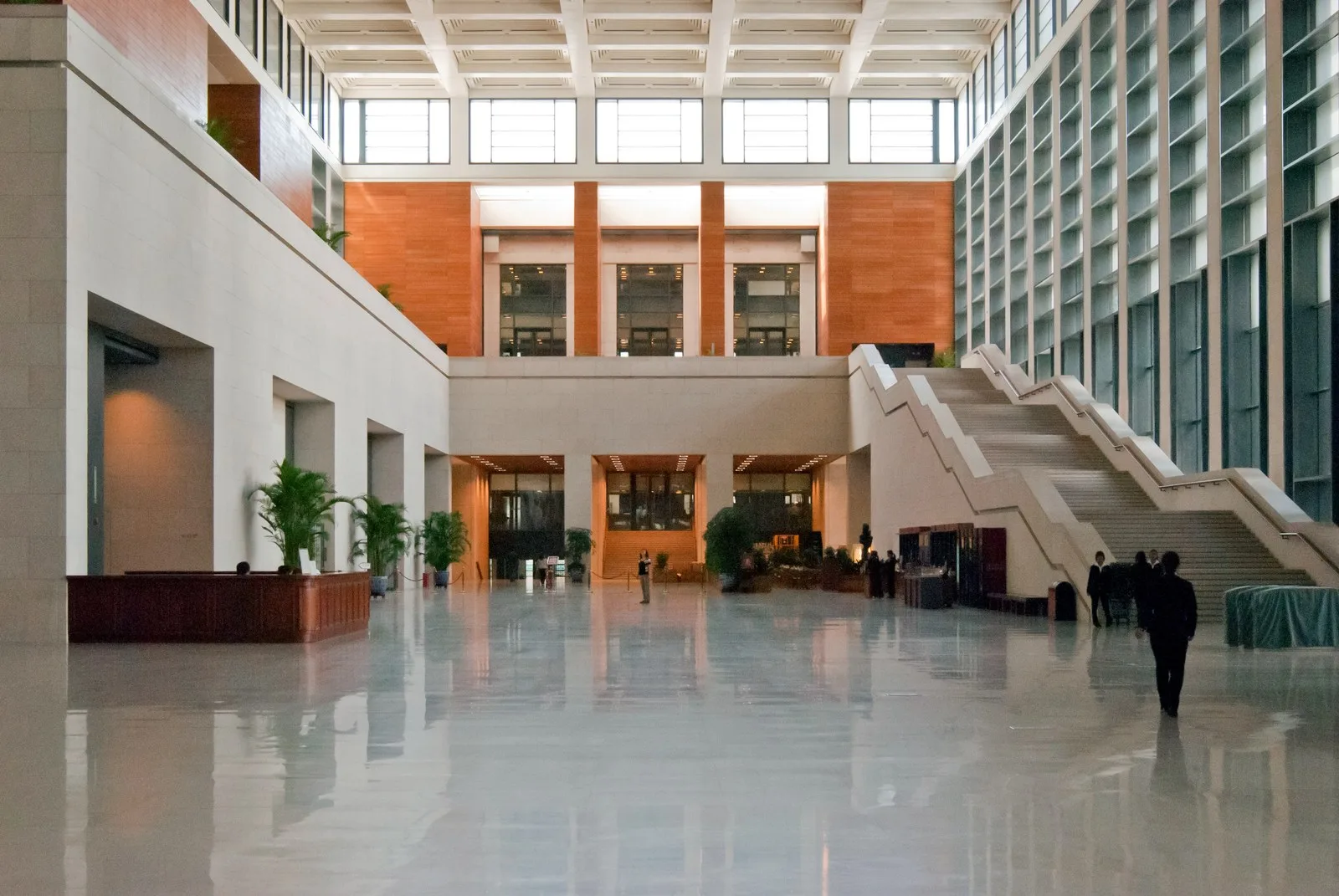
Main hall, view to south.
Photo: · · Source · CC BY-SA 3.0

Sources and image notes
Opening, reservation, address and verification rules are recorded in sources.json; same-day exhibitions, temporary closures and queues remain in uncertain. Wikimedia Commons candidates are in photos-candidates.json, and none has been downloaded or embedded. Verify the building view, licence and attribution before uploading approved images to the site's media library and replacing the four placeholders.
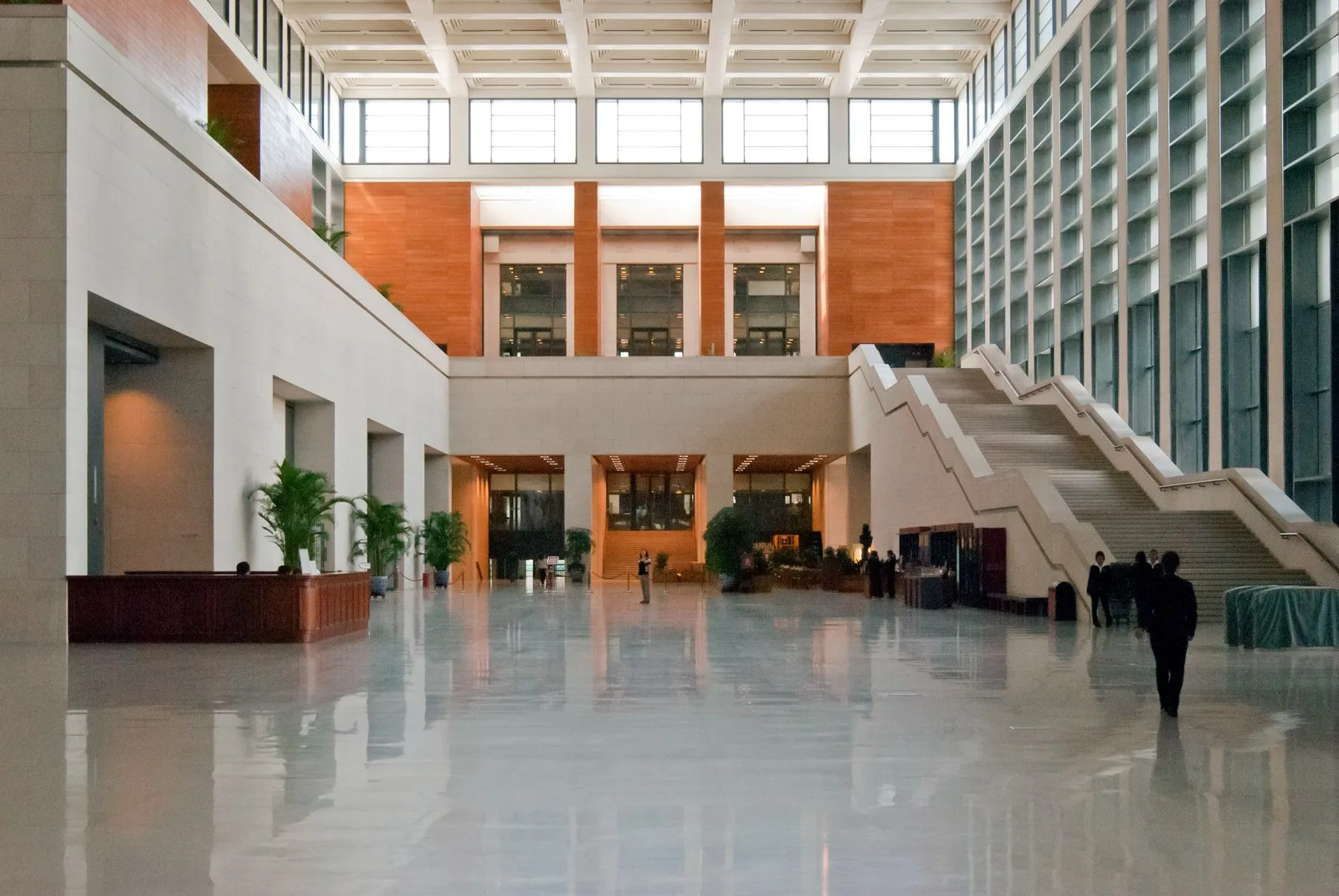
Main hall, view to south.
Photo: · · Source · CC BY-SA 3.0