A Half-Day at the Old Summer Palace Ruins: Xiyang Lou, Fuhai and Reading the Site
World Travel 编辑部 · 2026-09-11 · 8 min read
Read the Old Summer Palace as a site of ruins
The Old Summer Palace works best as a heritage landscape rather than a simple check-in point. Water, surviving stonework, protected fragments, interpretive displays and museum spaces together suggest a garden that has changed profoundly. A half-day route can focus on Xiyang Lou, then use Fuhai and an exhibition space to broaden the spatial picture. The route below is editorial planning; it does not describe personal experience or treat reconstructed scenes as complete originals.
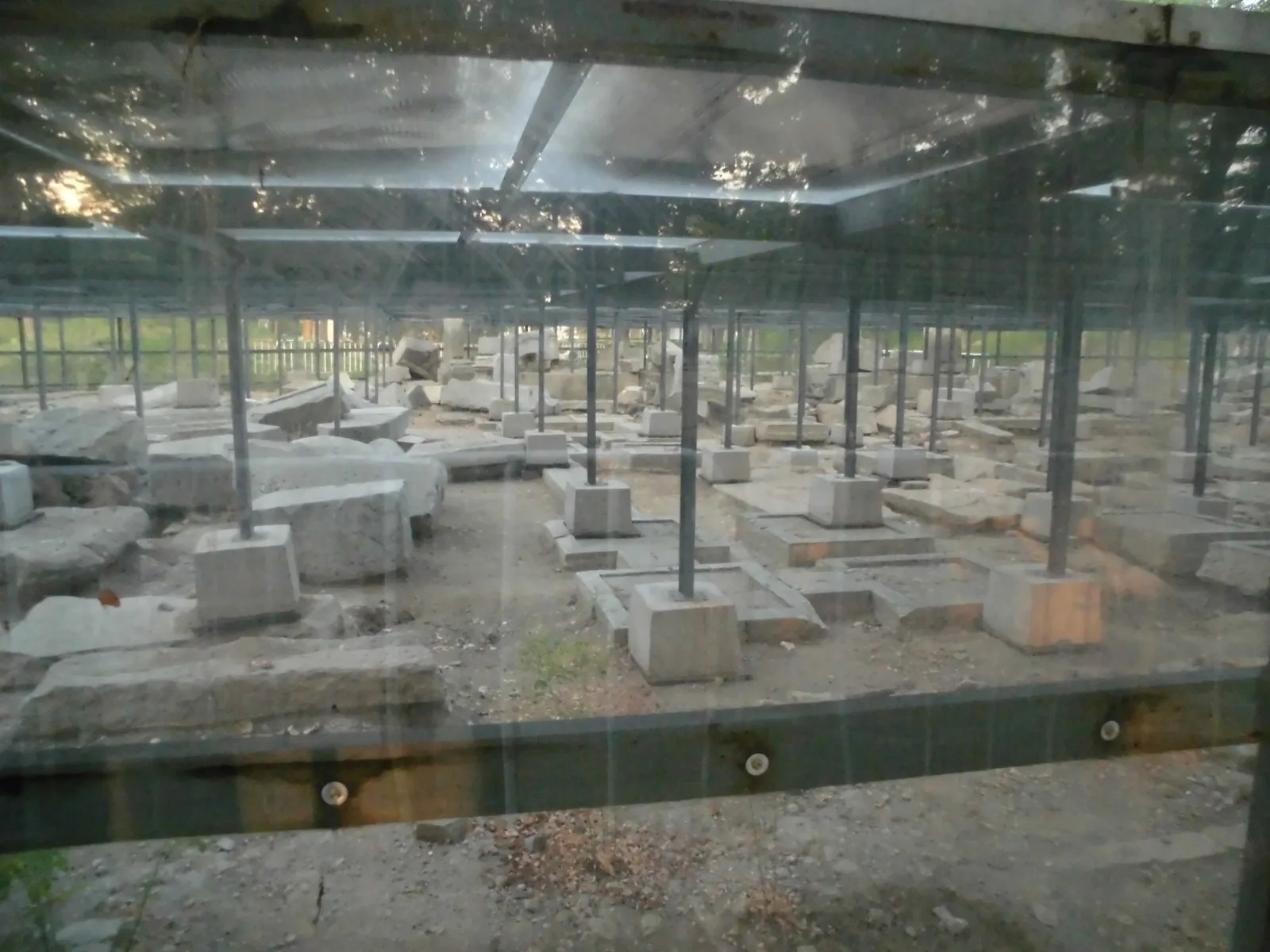
圆明园内的遗迹
_-_2019_-_11.jpg)
Opening and ticket information
The official Old Summer Palace website currently shows ticket sales opening at 07:00, ticket sales ending at 19:00, entry prohibited after 19:00 and the park closing at 21:00. It displays a 10-yuan adult gate ticket, a 5-yuan half-price ticket, a 25-yuan adult combination ticket and a 10-yuan half-price combination ticket. These are the values shown during this check. Revisit the official site before travel because seasons, activities and temporary controls may affect access.
Do not confuse the park's hours with those of an in-park museum. A Haidian District government page identifies the Old Summer Palace Museum as being inside Zhengjue Temple and lists it as open Tuesday to Sunday and closed Monday, except statutory holidays. That is a museum schedule, not the opening schedule for the whole park. Check the museum separately if it is part of your plan.
A route centred on Xiyang Lou
Before walking, check the park map and choose the gate that avoids unnecessary backtracking. The value of Xiyang Lou lies in its surviving stonework, foundations, waterworks and scale. Separate “what remains on site,” “what the official interpretation explains” and “what I imagine” when looking at the ruins. Walk along the edges slowly rather than searching only for the angle of an old photograph.
After Xiyang Lou, leave time for Fuhai. The open water landscape provides a different scale from the stone fragments and makes a useful rest point in hot weather. The park is large, so decide early whether Zhengjue Temple or a museum display is also included. Avoid reaching a museum at closing time and then rushing the route.
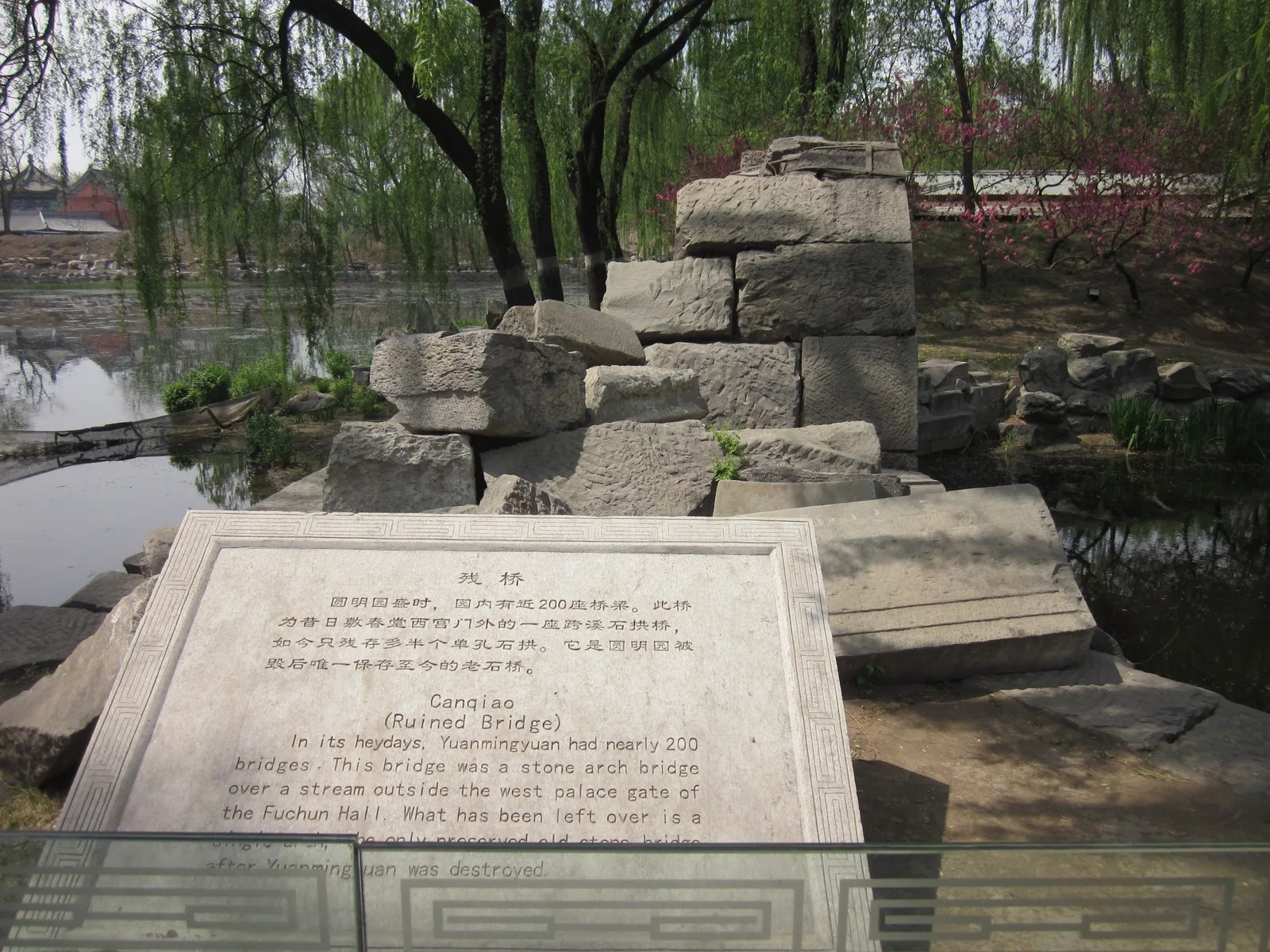
The ruined bridge was a stone arch bridge over a stream outside the west palace gate of the Fuchun Hall. What has been left over is a single

Handling the historical narrative
A ruin site may present architectural history, garden design and later conservation in the same walk. Read signs carefully and distinguish original fragments, conservation work and display reconstruction. Historical photographs can explain change over time, but they cannot prove today's access or landscape condition. Do not climb, touch or cross barriers around ruins just to obtain a closer view.
Combining it with the Summer Palace
The Old Summer Palace and the Summer Palace are both in northwestern Beijing, but each involves substantial walking. If you have one day, make one garden the main destination and treat the other as a light supplement, rather than assuming both can be completed fully. A half-day at the Old Summer Palace can focus on Xiyang Lou and Fuhai; the Summer Palace deserves separate time for the Long Corridor and Kunming Lake. Adjust transport and opening plans using current official information.
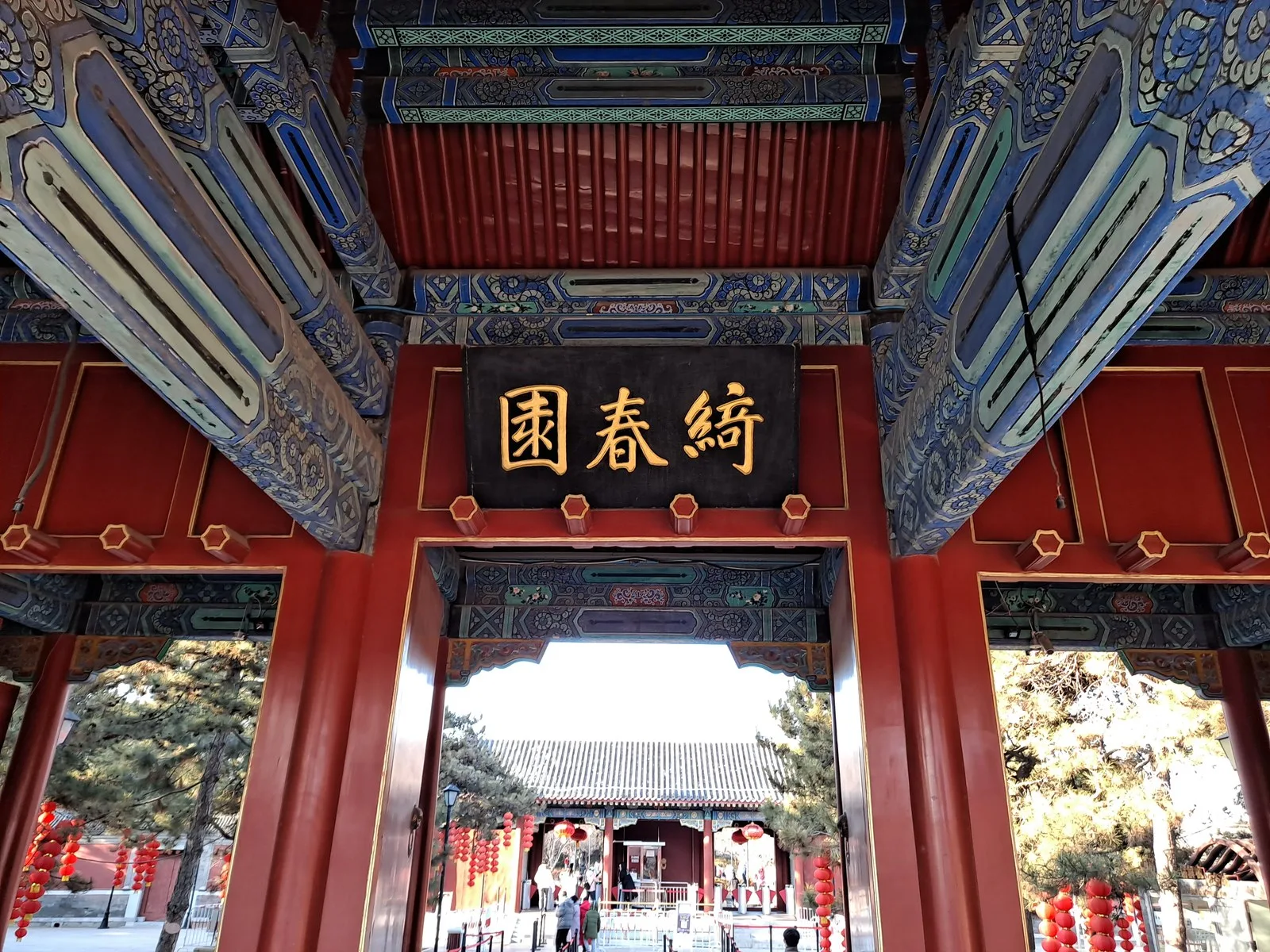
Palace Gate of the old Summer Palace
Photo: · · Source · CC BY-SA 4.0

Sources and image notes
Opening, ticket and museum information are recorded in sources.json; unresolved area-by-area access is listed in uncertain. Image candidates are in photos-candidates.json. They have not been downloaded, embedded or hotlinked. Before publication, verify the location, date and licence of each candidate, upload approved files to the site's media library and replace the four placeholders.
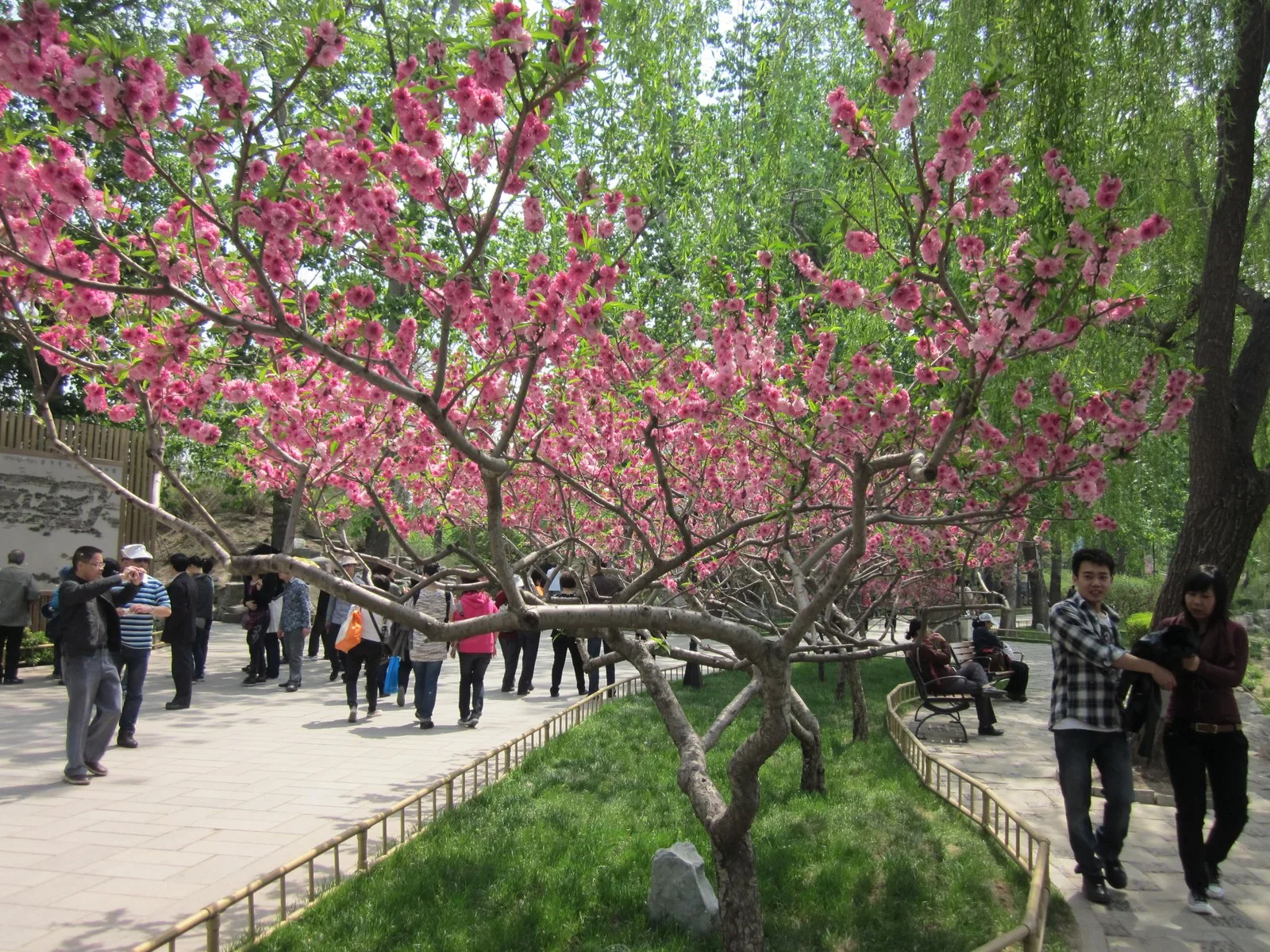
The peach blossoms are in full bloom in the Old Summer Palace.
