Simatai Great Wall: Reservations and Hiking on the Gubeikou Ridge
World Travel 编辑部 · 2026-09-11 · 9 min read
What makes Simatai different
Simatai suits travellers who already understand their limits in time and fitness. Next to Gubei Water Town, its ridges, towers, slopes and preserved fabric form the main subject; it is not a flat attraction that can be understood from one roadside panorama. Day hiking, scenic transport and a night visit all require a check of the current open area and product notice. This article gives a decision framework, not current prices, routes or night-tour times.
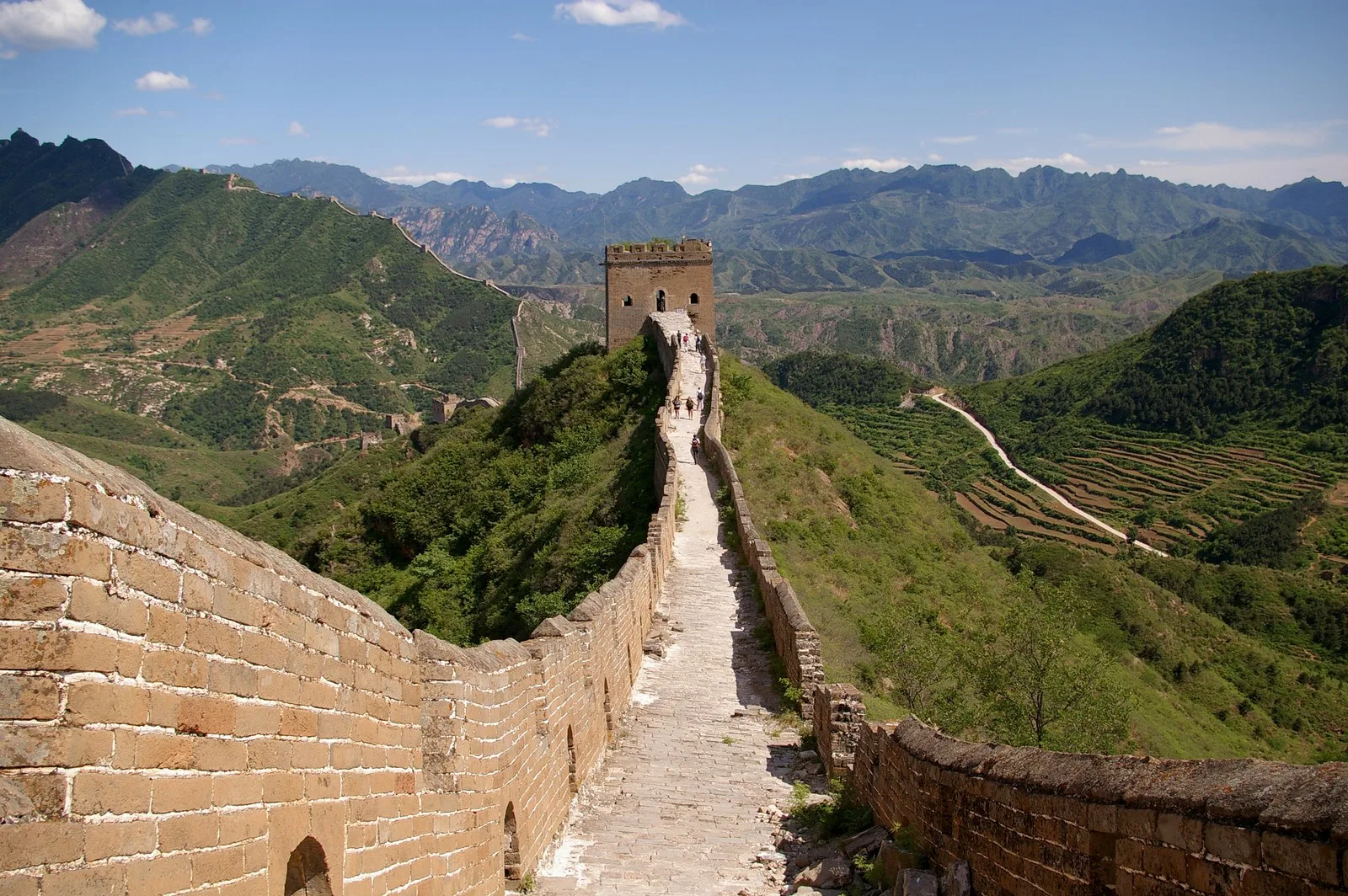
Great Wall of China near Simatai
Photo: Jakub Hałun · 2009-05-29 14:34:48 · Source · CC BY-SA 4.0

Day route: confirm the open towers first
On the Gubei Water Town side, complete the booking, ticket and transfer checks before confirming the towers open to visitors, the ascent method and the descent point. Public descriptions often refer to a number of eastern towers, but maintenance, weather and safety management can change the open section. Do not turn an old tower number into today's route. Strong hikers can use ascent, core towers and a designated or return descent as the structure; others should choose a controlled ridge section.
Some Simatai slopes are steep, with narrow stairs, sharp steps and exposed sections that increase fatigue. Wear shoes with grip, keep your hands available for rails, stay away from edges and never enter a closed tower. As an editorial suggestion, reserve at least half a day for the wall. If you also visit the water town, use separate time blocks so queues and transfers do not force a rushed climb.
Night visits and combining Gubei Water Town
A Simatai night visit is not a fixed year-round product. Dates, lighting limits, ticket windows, transfers, weather restrictions and accessible towers must come from the latest Gubei Water Town or scenic-area notice. Do not infer that a night photograph means the site is open tonight, and do not reuse a daytime hiking route after dark. Follow lighting boundaries and staff directions, and avoid strong lights that disturb other visitors.
If you combine the water town with the wall, explore water lanes, streets or food first and climb during the booked slot; alternatively, climb in daylight and save the town's evening atmosphere for later. Tickets, transfers and accommodation packages are dynamic products. Their inclusion cannot be inferred merely from the fact that the town sits by the wall.
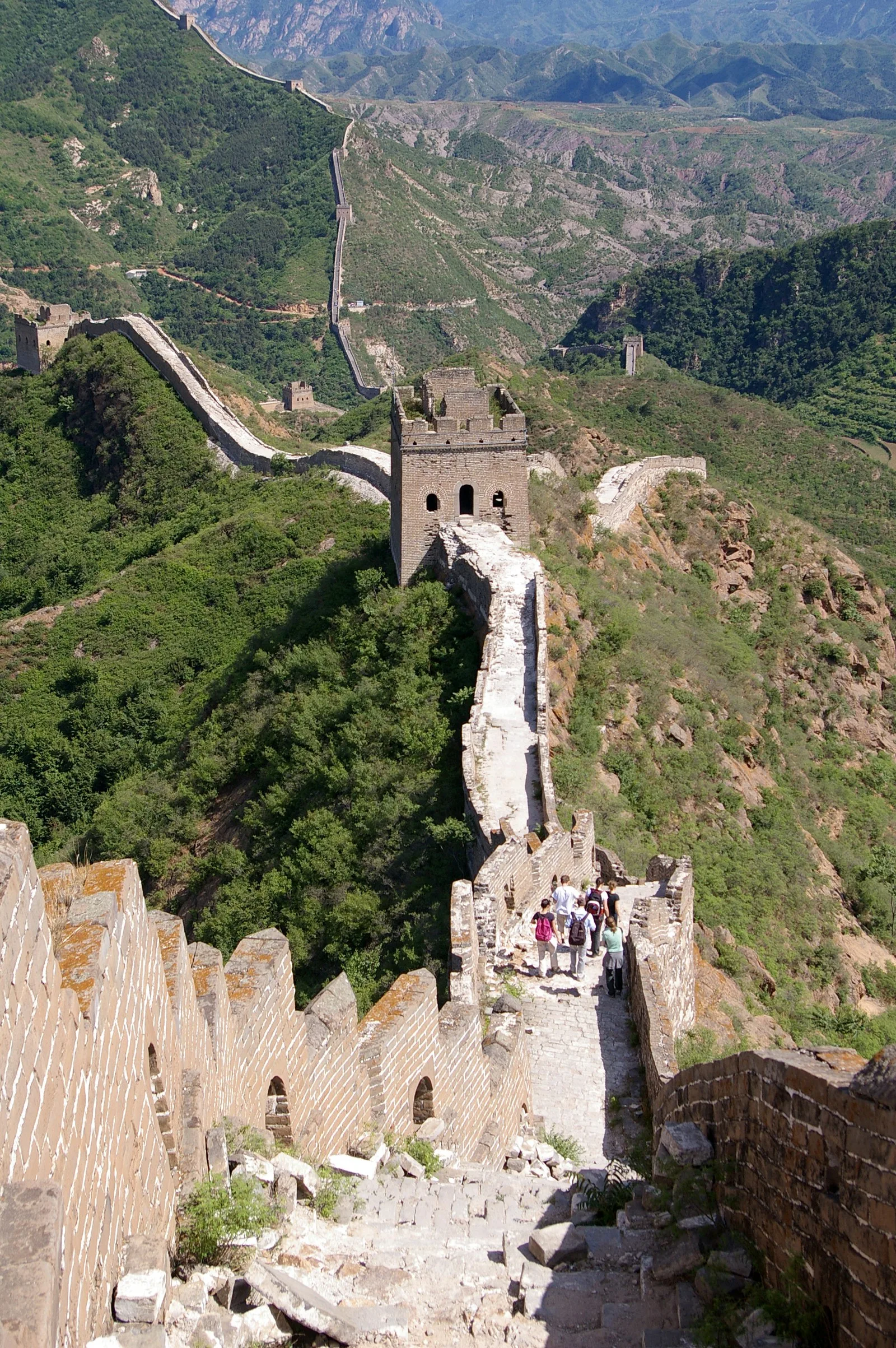
Great Wall of China near Simatai
Photo: Jakub Hałun · 2009-05-29 14:42:04 · Source · CC BY-SA 4.0

Transport, weather and fitness
Simatai lies northeast of central Beijing. The journey depends on roads, reservations and internal transfers. Confirm the route from the city or hotel, then check the day's scenic shuttle and return cut-off. Drivers should plan parking and transfers; public-transport users should check the railway, coach or direct-service notice for that day. Do not use an unofficial entrance or bypass ticket control.
Use sun protection and water in summer. Ridges can be windy and cool quickly in autumn and winter; rain and snow make steps and stone slippery. Older visitors, children and people uncomfortable with exposure should choose a short route with a clear retreat. Turn back or change plans during storms, strong winds, maintenance or an official closure.
Sources and image candidates
Sources.json records the official relationship between Simatai and Gubei Water Town, background references and time-sensitive matters. Candidates in photos-candidates.json come from Wikimedia Commons and depict Simatai itself or the nearby Simatai area, with authors, dates, description pages and licences. Older photographs cannot prove today's rails, open towers or night lighting.
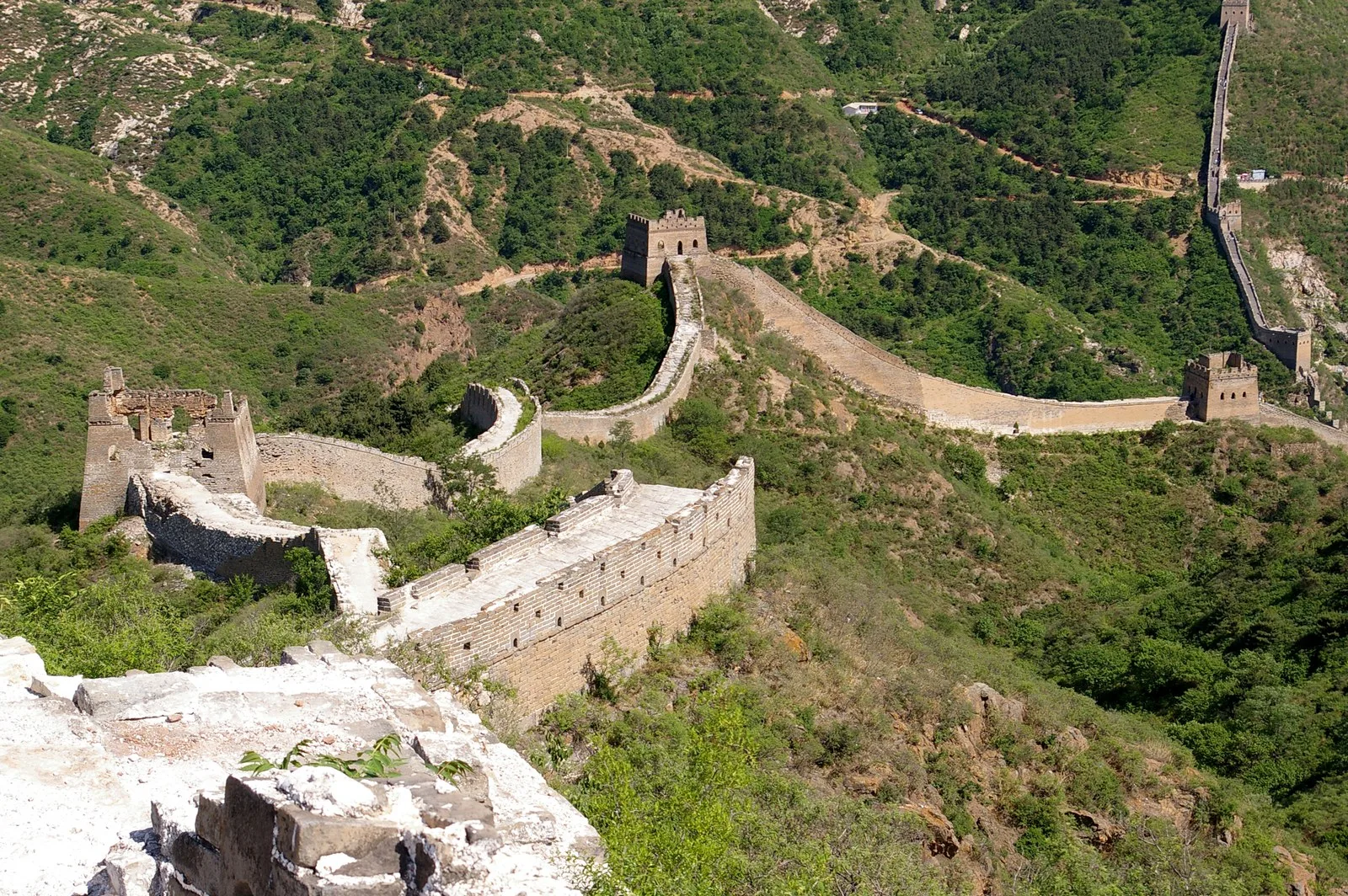
Great Wall of China near Simatai
Photo: Jakub Hałun · 2009-05-29 14:53:11 · Source · CC BY-SA 4.0

Image placement and safety
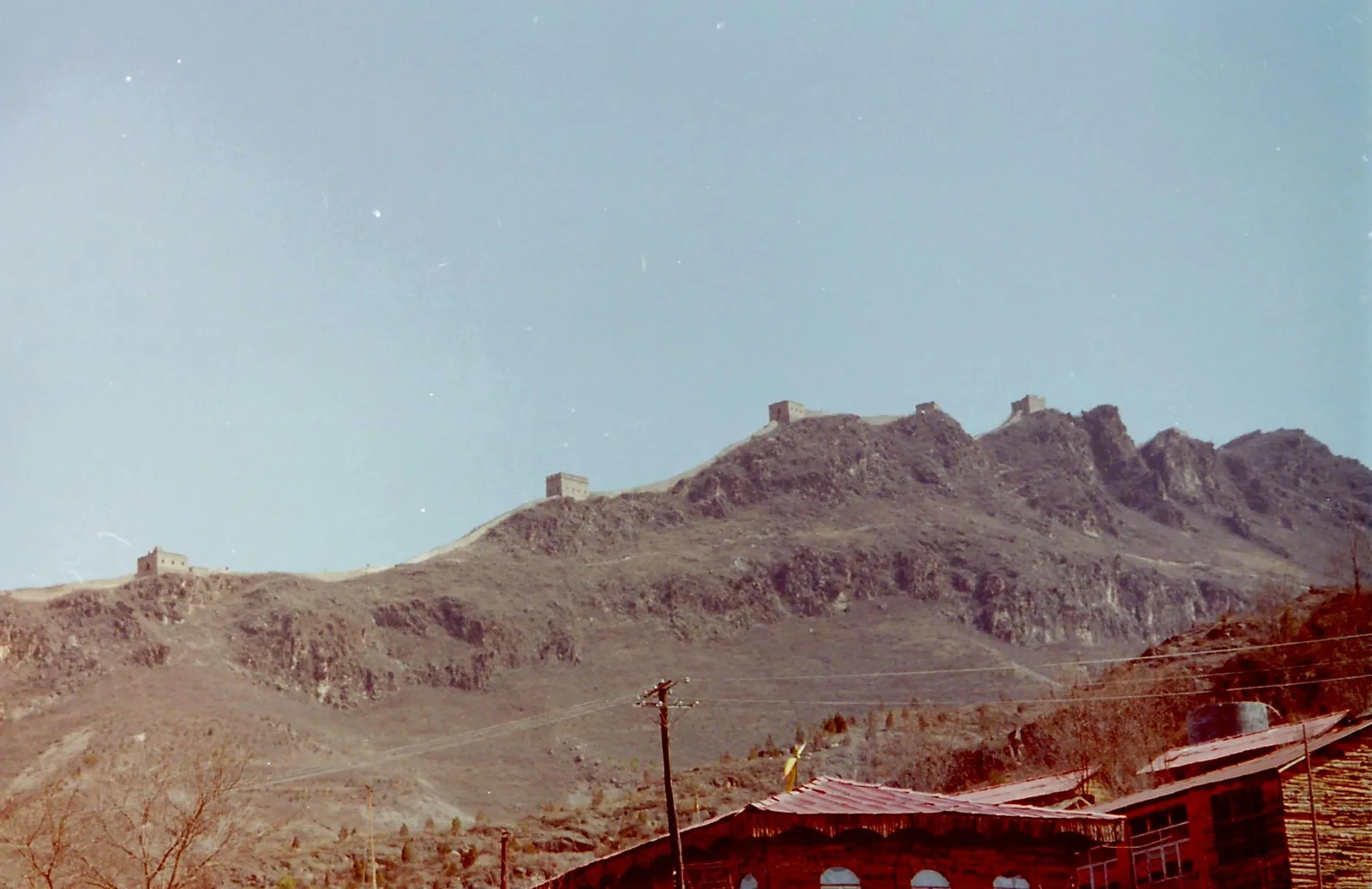
Great Wall of China at Simatai
Photo: Calistemon · 2000-03-26 · Source · CC BY-SA 4.0

IMG1 can show the ridge, IMG2 a wall or tower detail, IMG3 a distant view of the town from the wall, and IMG4 another accurately labelled hiking view. Distinguish “near Simatai,” “the Simatai wall itself” and “the town seen from the wall” in every caption.