A Half-Day at Tanzhe Temple: Mentougou West of Beijing, the Emperor Tree and a Jietai Temple Combo
World Travel 编辑部 · 2026-09-11 · 7 min read
What you can take in in half a day
Tanzhe Temple is in Mentougou, west of Beijing, among the oldest monasteries in the area — the folk saying "first Tanzhe, then Beijing city" points to its seniority. It's built into a hillside with layered courtyards; old trees and the stupa yard are the draws. It's far from the center, so treat it as a dedicated half-day and pair it with nearby Jietai Temple. Plan about 2.5–3 hours excluding travel.
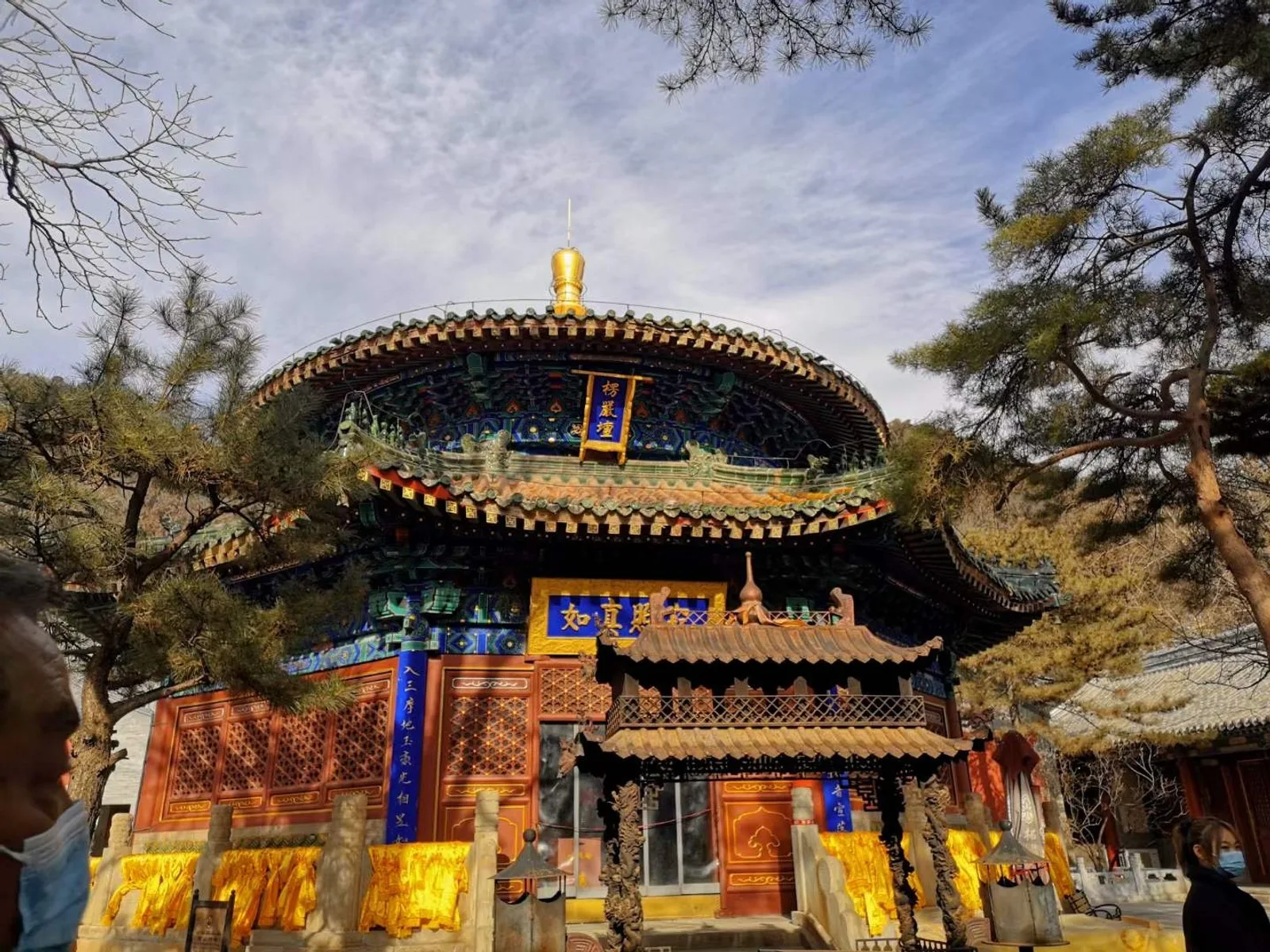
Tanzhe Temple is one of the oldest and most famous temples in Beijing, China. It dates back over 1,700 years to the Western Jin dynasty. The
Photo: Kikolipu · 2024-04-29 · Source · CC0

Access and opening
Tanzhe Temple sits at the foot of Tanzhe Hill in southeastern Mentougou, about 30–40 km from the center. Public transit means metro to around Pingguoyuan then a bus/shuttle, or drive via the west 6th Ring; exact lines and frequency follow bus and navigation apps, and mountain roads are weather-sensitive — allow more time in snow or fog. Daily visiting requires a ticket; price and closing day shift with season, so on-site notice is most reliable.
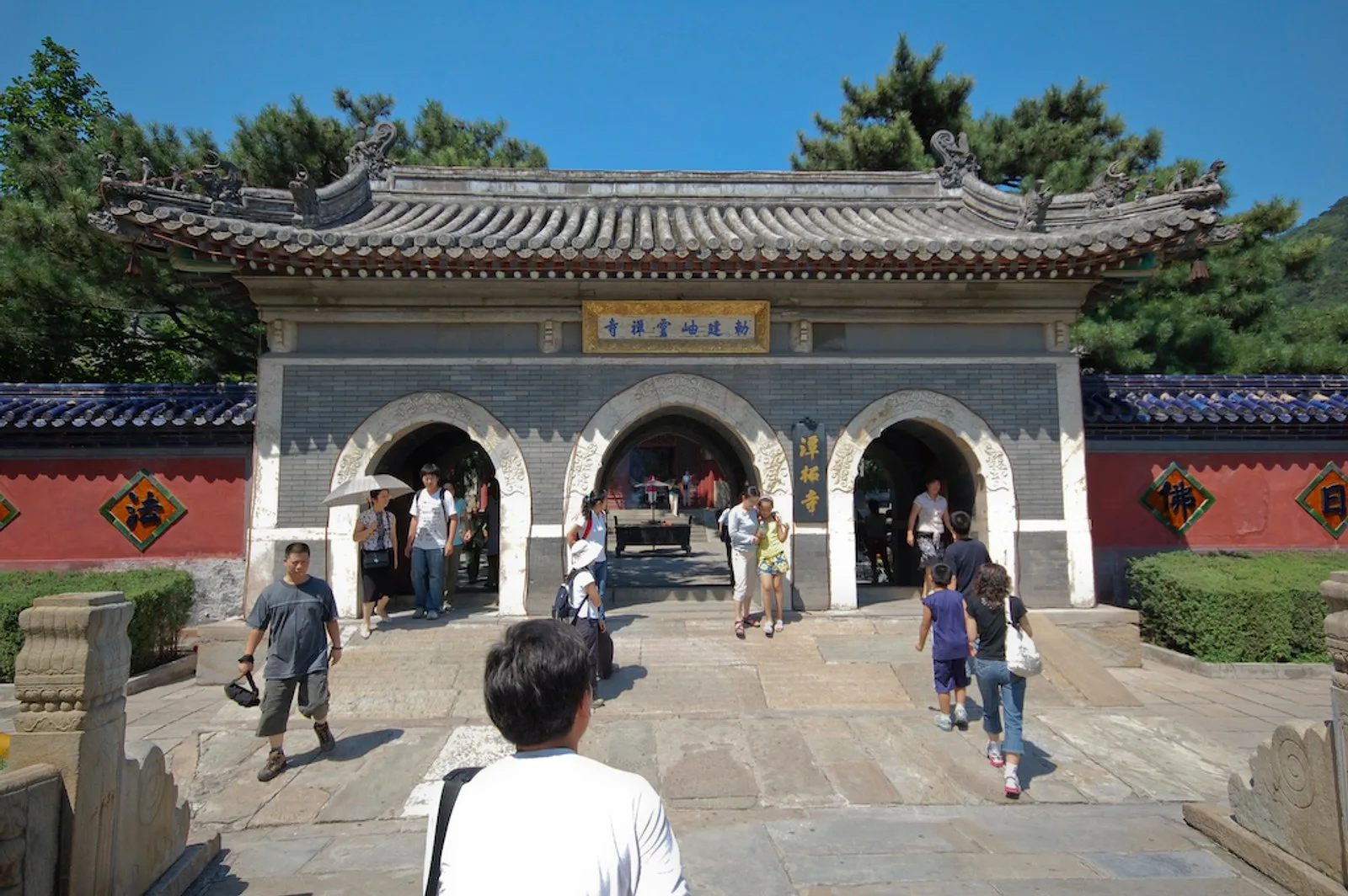
An entrance into the Tanzhe Temple of Beijing
Photo: Cygnus78 · 2007-08-24 · Source · CC BY-SA 2.0

Route: from the gate to the upper stupa yard
Enter at the paifang (memorial archway) and follow the axis through the Tianwang Hall, the Mahavira Hall, the Pilu Pavilion, then up to the upper stupa yard behind the hill. The Pilu Pavilion is the high point, looking back over the temple and the mountain; the yard concentrates steles and stupas across dynasties — a good place to read the "temple–stupa" relation. The courts rise with the slope and have many steps; wear comfortable shoes and save energy for the climb. Open areas follow the temple that day.
Old trees: the Emperor Tree and the Consort Tree
The temple has several ancient ginkgos, the "Emperor Tree" being the most famous (folklore says a new branch grew with each new Qing emperor's accession — that's a story). The ginkgo season is late autumn: golden canopies and big crowds; off-season you actually see the tree shape and steles better. Treat the old trees as "living history markers" — enjoy, don't take the legend as fact. Exact age and names follow the temple's labels.
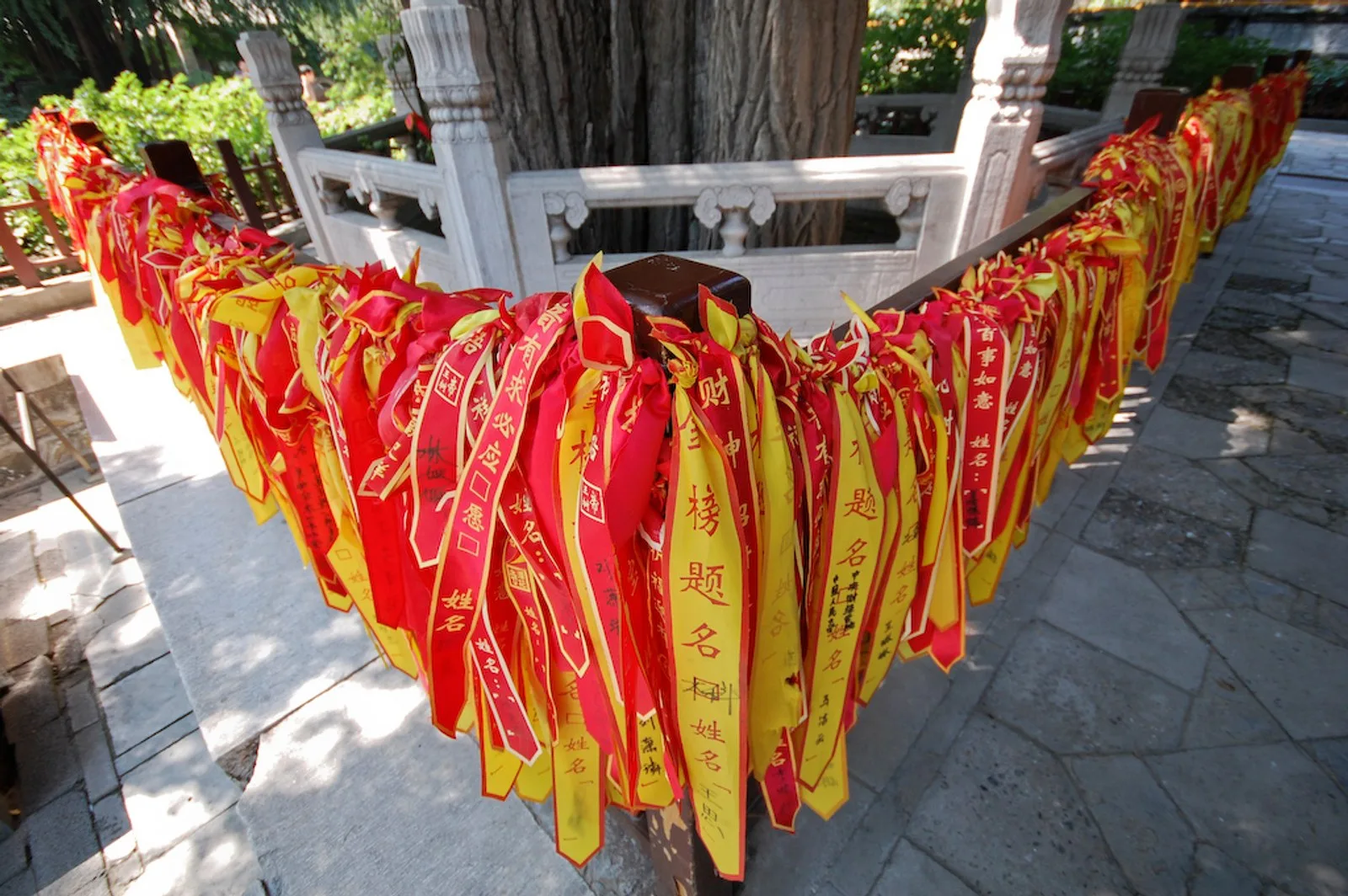
The Tanzhe Temple of Beijing
Photo: Cygnus78 · 2007-08-24 · Source · CC BY-SA 2.0

Same-day with Jietai Temple
Jietai Temple is also in Mentougou, known for the largest ordination platform in China, and not far from Tanzhe (exact drive follows navigation); folk say "Tanzhe's trees, Jietai's Dharma." A common plan is Tanzhe in the morning, Jietai in the afternoon, or reverse; both need tickets, and two temples in a day is full, so start early and leave lunch in between. Opening and prices follow each temple's official notice.
First-visit notes
- A far-suburb temple — allow plenty for transport; mountain weather affects roads, slow in snow/fog.
- Axis route: paifang → Tianwang → Mahavira → Pilu Pavilion → upper stupa yard.
- The Emperor Tree is an ancient ginkgo, best late autumn; legend isn't history.
- Pair with Jietai Temple; start early; both charge tickets.
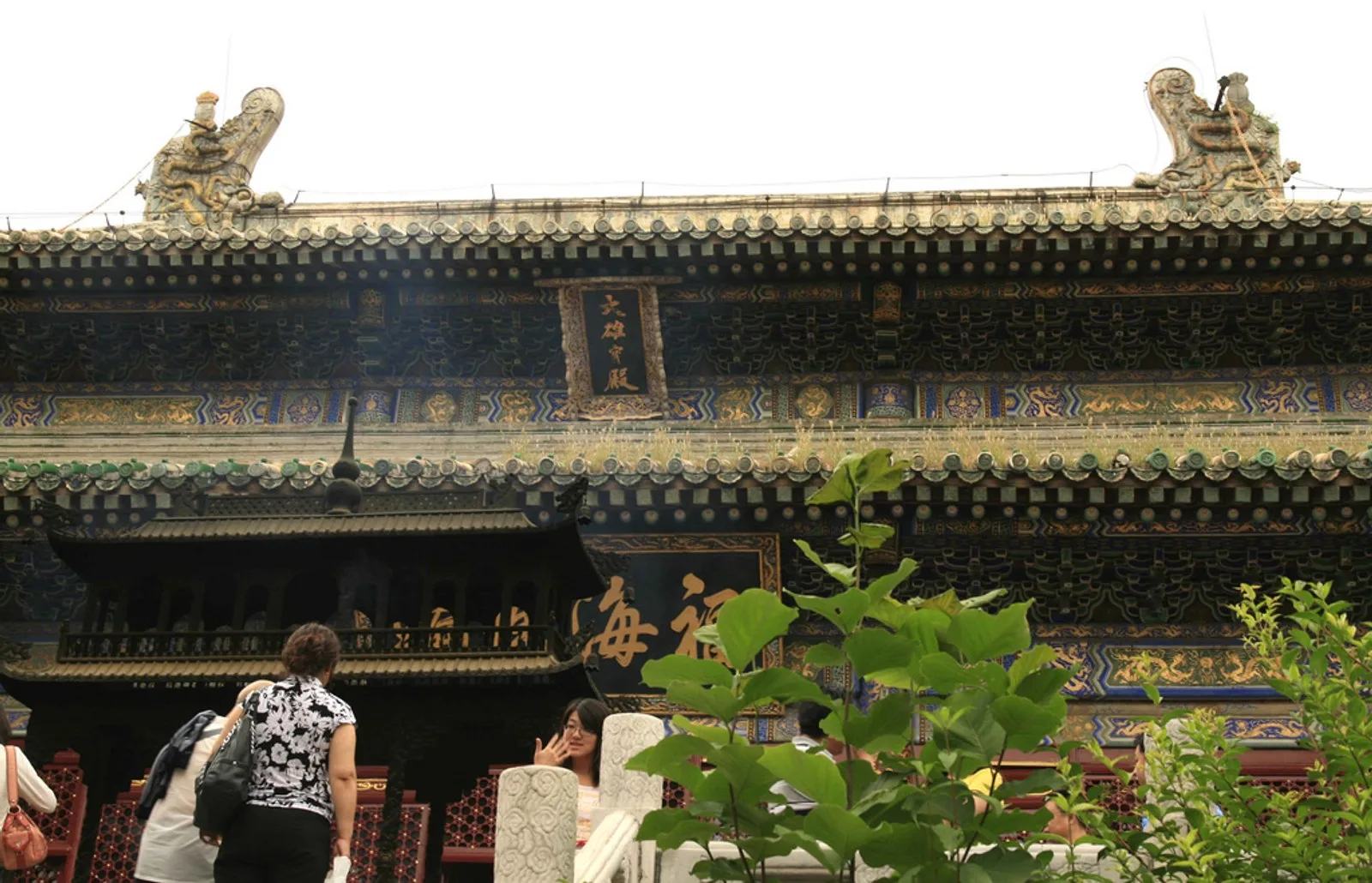
The Tanzhe Temple of Beijing
