A First Visit to Tiananmen Square: Reservation, Security and a Half-Day Route
World Travel 编辑部 · 2026-09-11 · 10 min read
Who this route is for
For a first visit to Beijing, Tiananmen Square is less about collecting landmarks than about getting reservation, security screening and walking order right. It is a wide urban space with little shade in sunny weather. Entrances, transport and access may also change during events or temporary controls. Treat the square as the starting point of a half-day, allowing roughly two to three hours before choosing a second stop such as the National Museum, Qianmen or Jingshan Park. The route below is editorial planning, not a personal account.
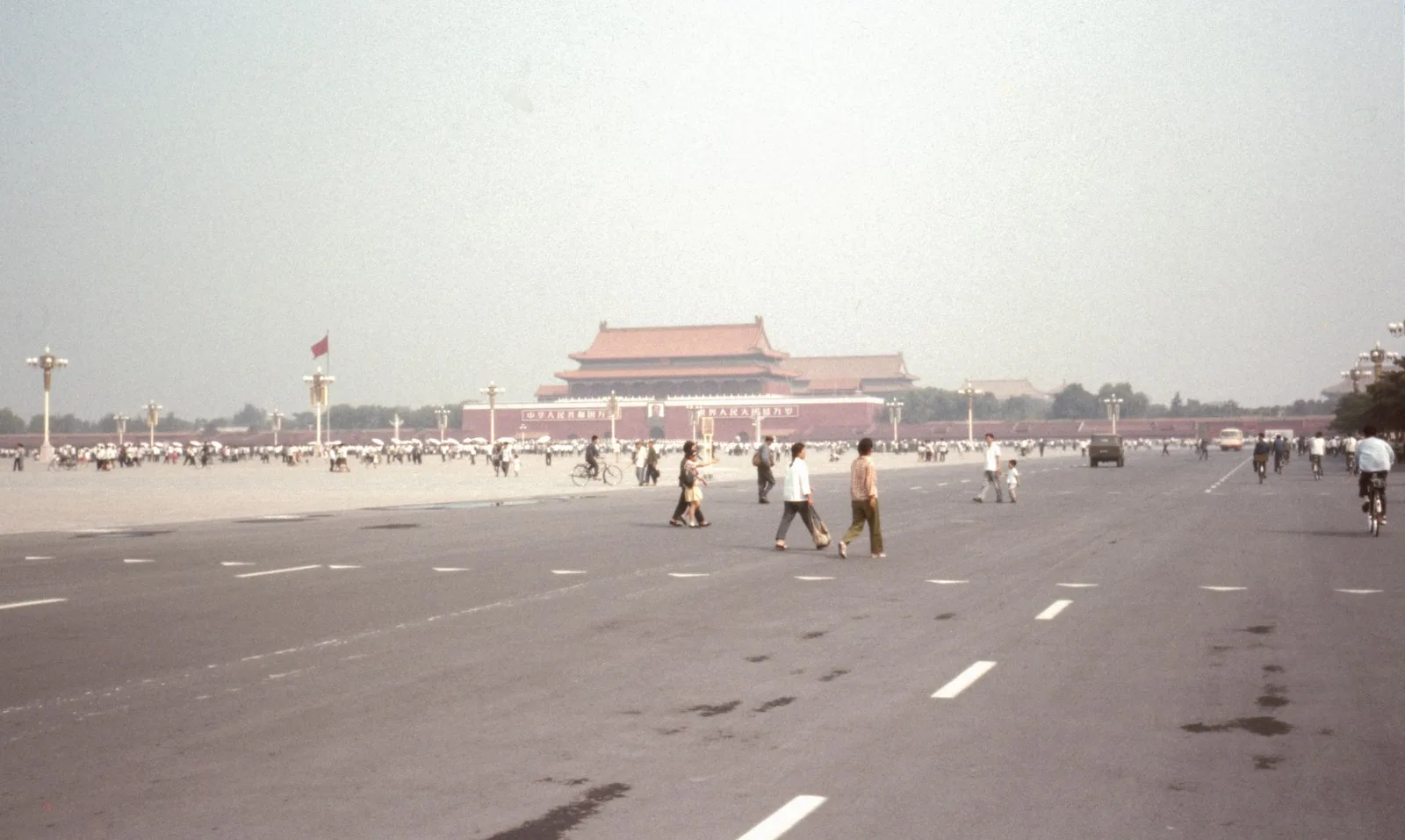
*Before Beijing's traffic exploded and well before the era of protests that ended with a massacre in the square. Taken during an August 1978 *
Photo: Paul Burns · 1978-08 · Source · CC BY-SA 4.0

Reserve before leaving
The official Tiananmen Square reservation platform states that visiting the square is free and uses real-name reservations. This reservation is for the square itself. If you also want to enter Tiananmen Gate Tower, use its separate official reservation channel. After booking, follow the selected time and security checkpoint for verification. A square reservation is not a pass for every nearby museum or monument; the National Museum, for example, has its own booking system.
Prepare your reservation information and valid identification before departure. Bring as little luggage as possible: the official page specifically recommends carrying no bag or a small bag to keep security processing efficient. The exact advance-booking window, daily slots and flag-raising arrangements were not fixed in this research because they can change. Reopen the official platform before travel and follow notices related to weather, events and access control.
A practical walking order
Enter through the checkpoint shown in your reservation instructions and complete security screening first. In the central area, pause to understand the scale of the square and the position of the Monument to the People's Heroes. A first visit does not need a photograph of every corner; first identify your exit and the location of your next reservation.
Think of the walk in three parts: read the overall layout, approach the monumental buildings and the edge of the square, then continue to the museum or site you have separately booked. If the National Museum is next, verify its own entry slot. If you only want a city walk, leave the square and continue toward Qianmen, where breaks and meals are easier to adjust.
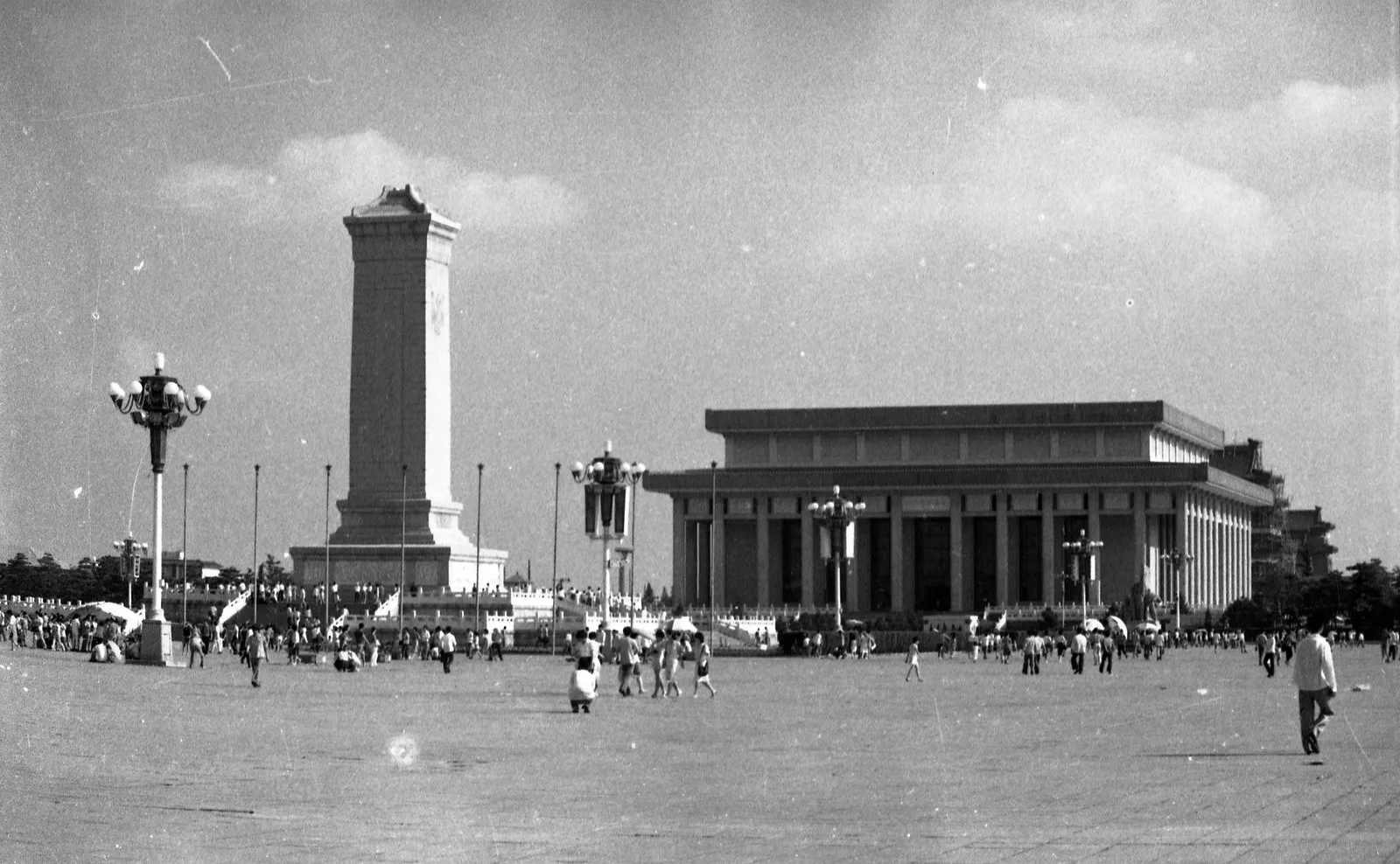
This is a photo of a (or part of a) Major National Historical and Cultural Site in China identified by the ID CNBJ-010-156
Photo: Aldosd · 1975-01-01 · Source · CC BY-SA 4.0
Security, weather and energy
The open paving can feel hot in summer and exposed in winter wind. The official reservation page recommends checking the weather and preparing for sun and rain, especially when travelling with older adults or children. Wear walking shoes and avoid repeated returns to the security line. Water, tissues and essential medicine are sensible, but a lighter bag usually makes the checkpoint easier.
Follow signs and staff instructions when taking photographs. Do not gather in a way that blocks passage or use equipment in restricted areas. Flag-raising ceremonies, commemorative events and temporary controls may change the route; current on-site guidance takes priority over an old guide.
Combining nearby sights
A light half-day combination is “Tiananmen Square to Qianmen.” For a museum-focused plan, use “Tiananmen Square to the National Museum,” but make both reservations separately. If you continue into the afternoon, choose one indoor venue rather than filling the schedule with several large sites. The square does not guarantee immediate entry to nearby attractions; every admission time follows the venue's own booking record and notice.
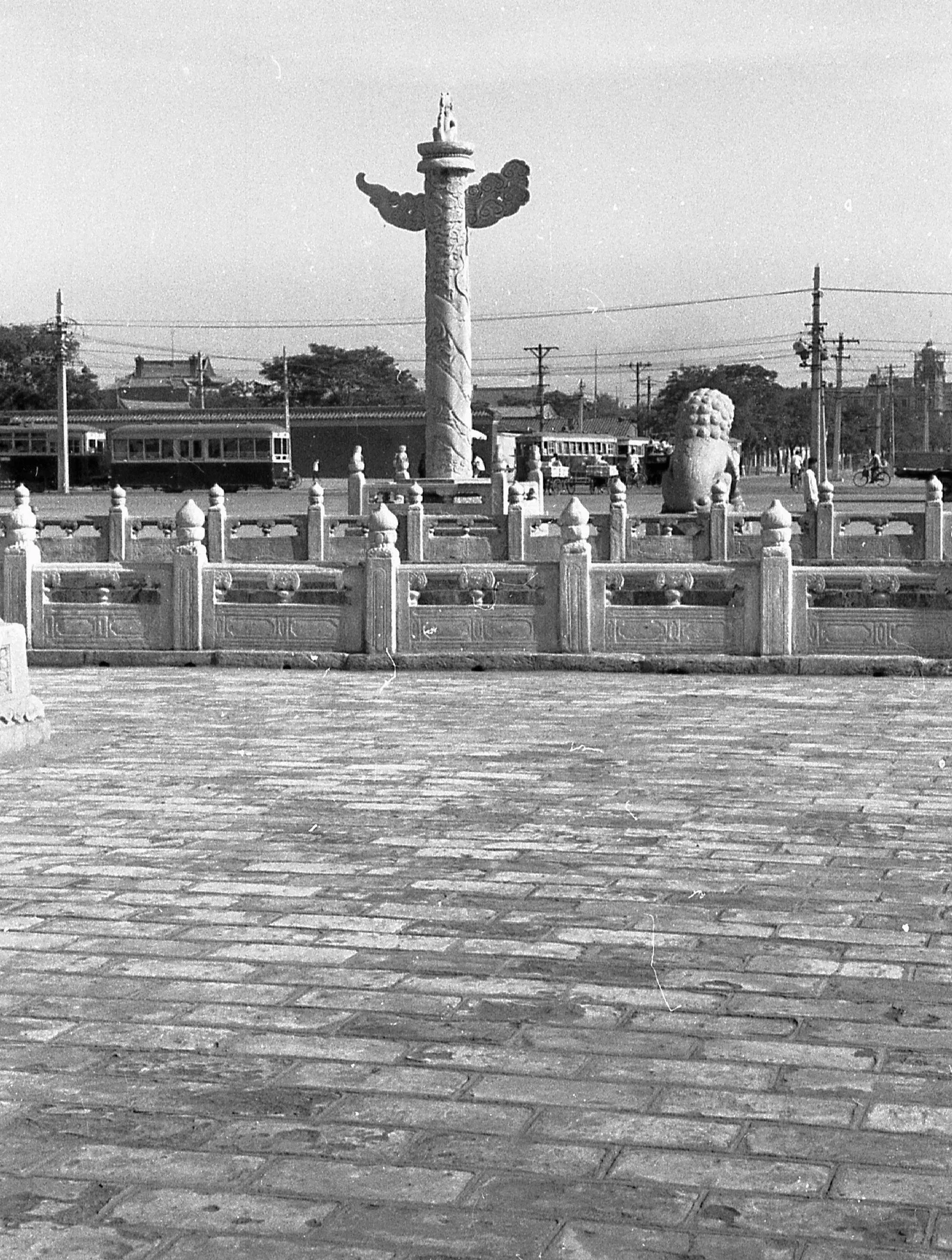
Tiananmen tér.
Photo: FOTO:Fortepan — ID 30604;捐赠者:Kina · 1959 · Source · CC BY-SA 3.0

Sources and image notes
Official entry points, cross-checking sources and unresolved dynamic facts are recorded in sources.json. The images in photos-candidates.json are Wikimedia Commons candidates only; they have not been downloaded or embedded. Before publication, open each description page again, verify the viewpoint, clarity, attribution and licence, then upload approved files to the site's media library and replace image placeholder 1 through image placeholder 4 with internal paths. No external hotlink is used here, and historical images must not be presented as today's scene.
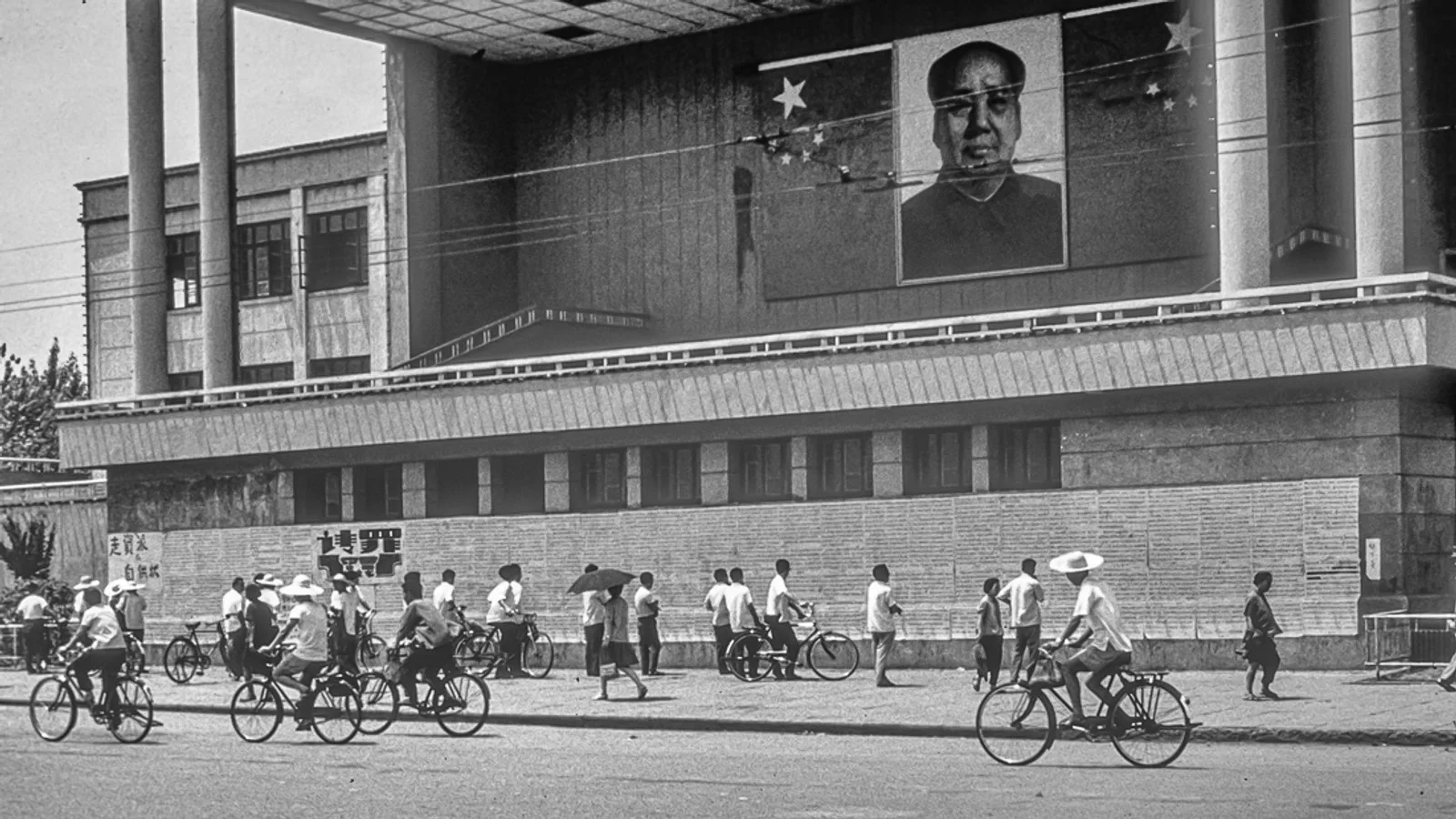
Big-character posters are handwritten, wall-mounted posters using large-sized Chinese characters, used as a means of protest, propaganda, an
Photo: Heinz Bunse · 1976-08-22 · Source · CC BY-SA 2.0
.jpg)