A Half-Day at Zhihua Temple: Ming Woodwork, the Revolving Sutra Cabinet and Beijing Buddhist Music
World Travel 编辑部 · 2026-09-11 · 7 min read
What you can take in in half a day
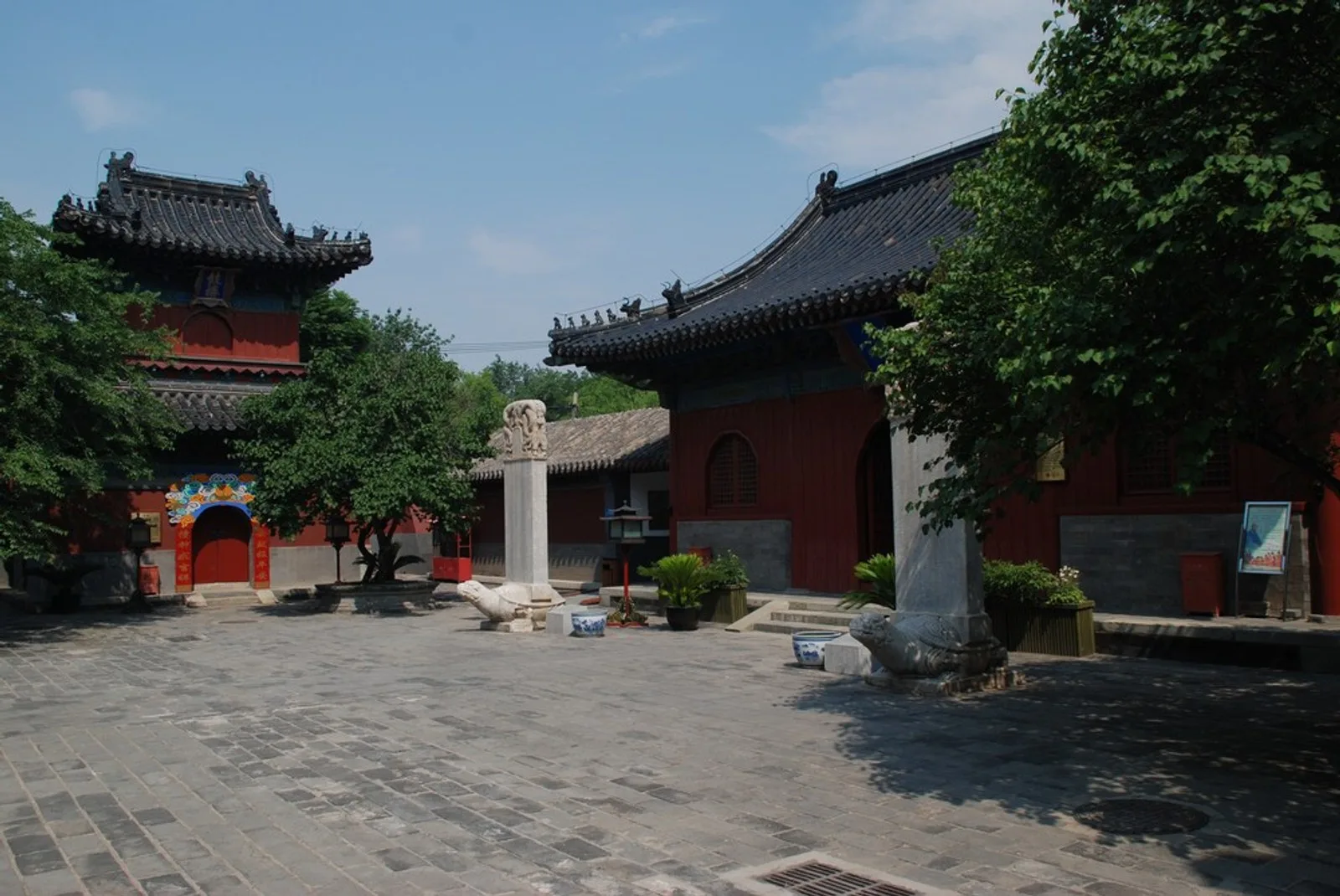
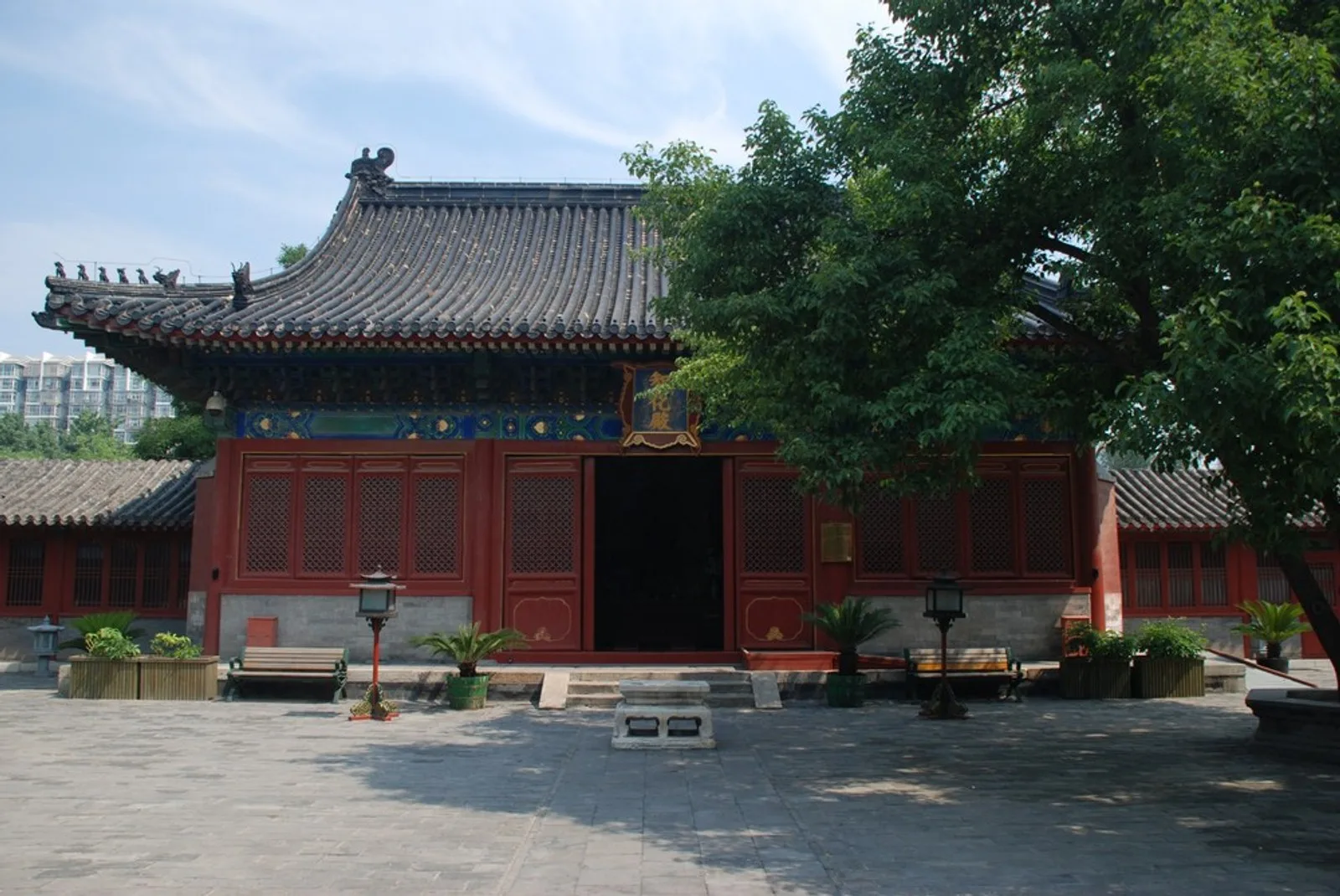
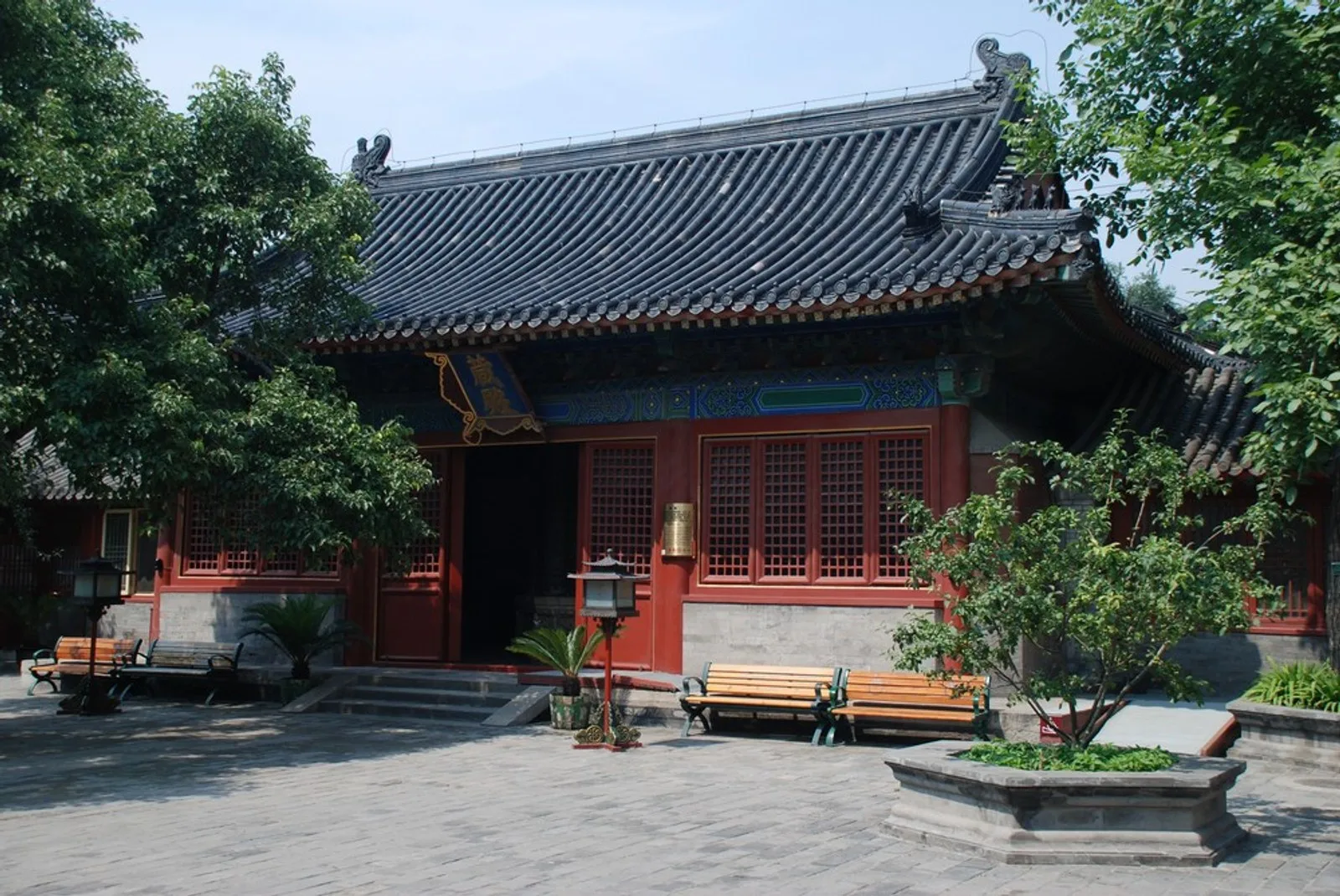
Zhihua Temple is a rare surviving Ming-era temple building in Beijing, originally a family chapel built by the Ming eunuch Wang Zhen. It keeps a lot of original Ming fabric: black glazed tiles, a nanmu coffered ceiling, a revolving sutra cabinet, and the "Zhihua Temple Beijing Buddhist music," listed as national intangible heritage. It's small and uncrowded — the textbook example of "minor and quiet." On a first visit, don't chase size; look carefully at a few Ming elements. Plan about 1.5–2 hours.
Zhihua Temple
Photo: danmairen · Taken on 1 · Source · CC BY-SA 3.0

Location and opening
Zhihua Temple is in Lumicang Hutong inside Chaoyangmen, managed by the Beijing Museum of Cultural Exchange; exact bus/metro and opening hours follow official notices. Daily visiting requires a ticket; price and closing day shift with exhibitions and events, so on-site is most reliable. The space is compact and the route basically follows the axis — follow the signs.
Route: the central axis and Ming fabric
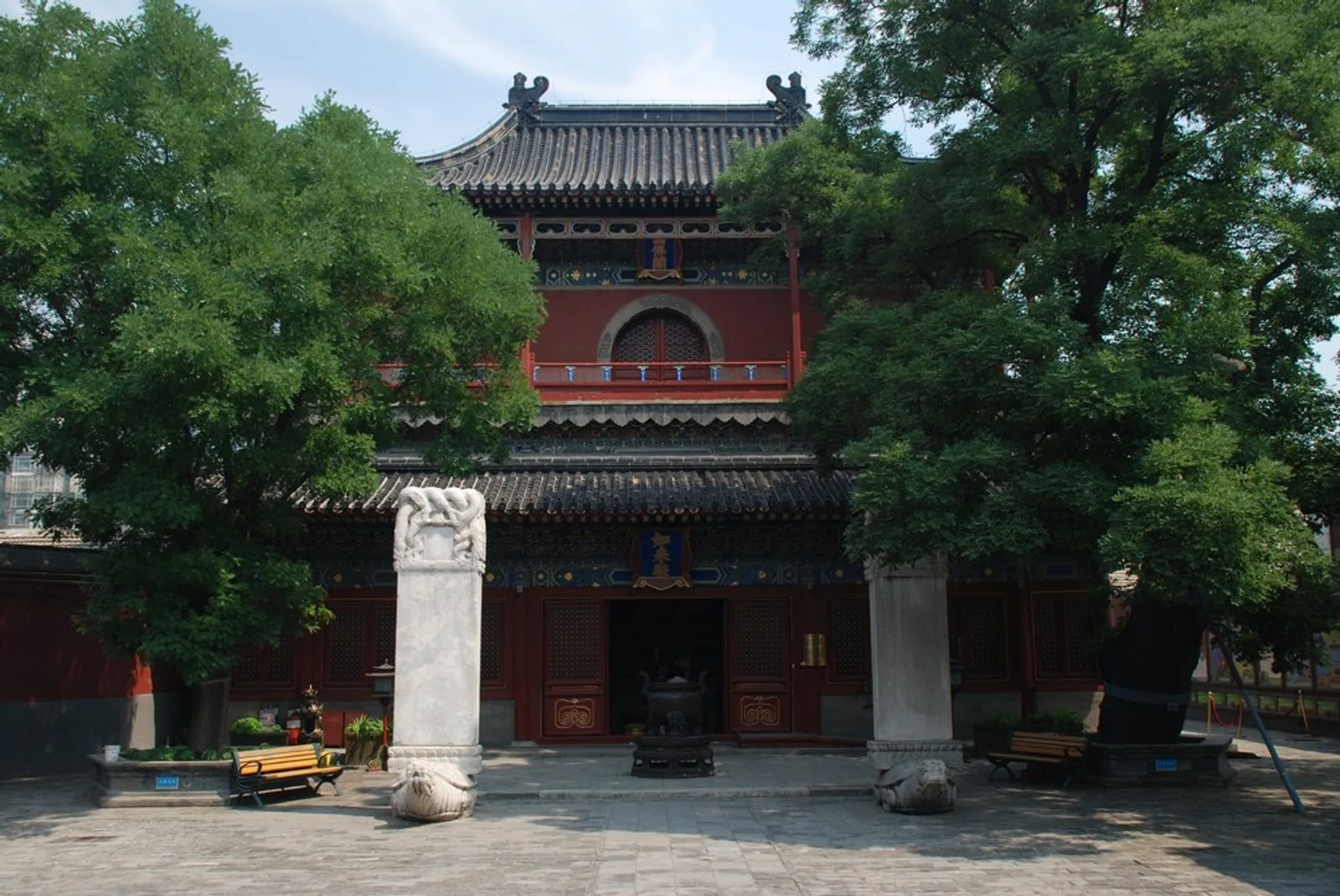
Enter at the gate and follow the axis through the Zhihua Gate, the bell and drum towers, and the Rulai Hall (Ten-Thousand-Buddha Pavilion). Three things matter: first, the black glazed-tile roof — a Ming official-grade做法 (practice), high status; second, the revolving sutra cabinet (zhuanlunzang) inside the Rulai Hall, a fine piece of Ming small woodwork; third, the original nanmu coffered ceiling that sat above the hall — part of it left China, and what remains is shown via photos and labels, with the exact display following the museum. For "as-built" feeling, slow down in the Rulai Hall.
Zhihua Temple
Photo: danmairen · Taken on 1 · Source · CC BY-SA 3.0

Beijing music: living Ming sound
The Zhihua Temple Beijing music is said to descend from Ming court Buddhist music, passed orally by the temple's musician-monks, and is listed as national intangible heritage. The museum plays recordings or gives performances at set times (per that day's notice) — the key to understanding why this temple is special. Listen quietly; treat it as an exhibit, not a show. Sessions follow the museum's notice; this article doesn't replace the official schedule.
Zhihua Temple
Photo: danmairen · Taken on 1 · Source · CC BY-SA 3.0
.jpg)
Why it suits quiet slow looking
Zhihua Temple has no big square and no loud incense; the courtyards are small and refined, good for one person reading woodwork and carving slowly. Next to Yonghe Temple or Fayuan Temple, it's more like an "architecture specimen hall." If you only have time for one Ming temple building, Zhihua Temple has the highest density of original fabric; for incense and scale, pick Yonghe Temple. The two styles differ and shouldn't be ranked against each other.
First-visit notes
- Daily ticket; price and closing day shift with exhibits — on-site notice rules.
- Axis route: gate → Zhihua Gate → bell/drum towers → Rulai Hall (see the revolving cabinet).
- Black glazed tiles, the revolving sutra cabinet and the Beijing music are the three core draws.
- Minor and quiet, good for slow Ming-woodwork looking; music sessions follow the museum.
Zhihua Temple
Photo: danmairen · Taken on 1 · Source · CC BY-SA 3.0
.jpg)