Zhoukoudian Peking Man Site: A Fangshan Outing, the Museum and the Cave
World Travel 编辑部 · 2026-09-11 · 7 min read
What you can take in in half a day
The Zhoukoudian Peking Man Site is in Fangshan District — a world-class paleoanthropological site where Peking Man and Upper Cave Man fossils were found, and a tangible lesson in "where humans come from." It's far from the center, so treat it as a dedicated half-day: see the site museum to build the frame, then go up Longgu (Dragon Bone) Hill to the "Locality 1" (Ape Man Cave) and other dig spots. Plan about 2.5–3 hours excluding travel.
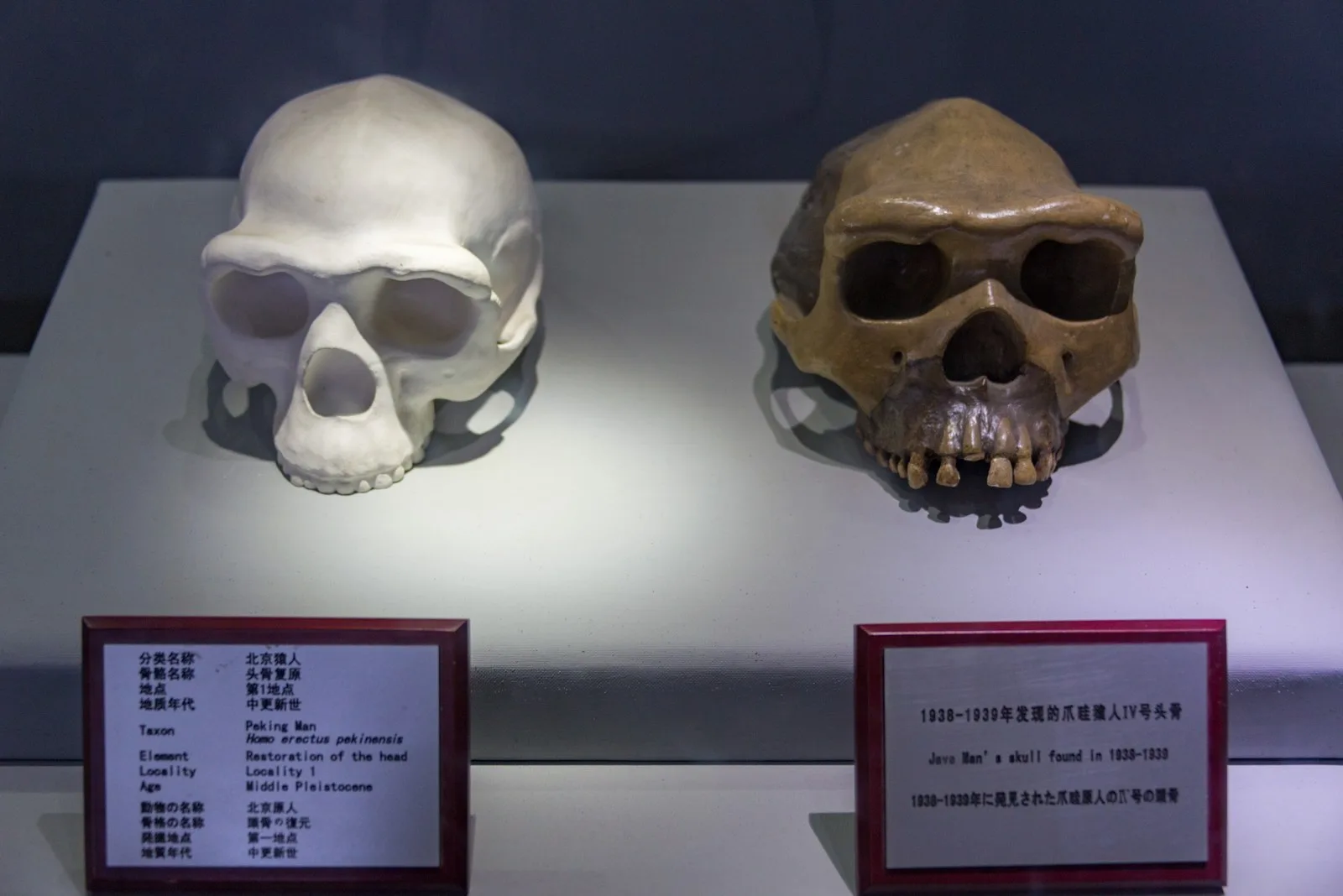
Peking Man Museum
Photo: xiquinhosilva · 2013-04-30 · Source · CC BY 2.0
.jpg)
Access and opening
Zhoukoudian is in Zhoukoudian Town, Fangshan, about 50 km southwest of the center — much farther than city sights. Public transit means metro to the Fangshan line then a bus/shuttle, or drive via the Jingganggang–Hong Kong–Macau Expressway; exact lines follow bus and navigation apps, and allow plenty of time for the far suburb. The site and museum are usually one combined ticket or separate tickets; price and closing day shift with season, so on-site notice is most reliable. The hill trails need comfortable shoes.
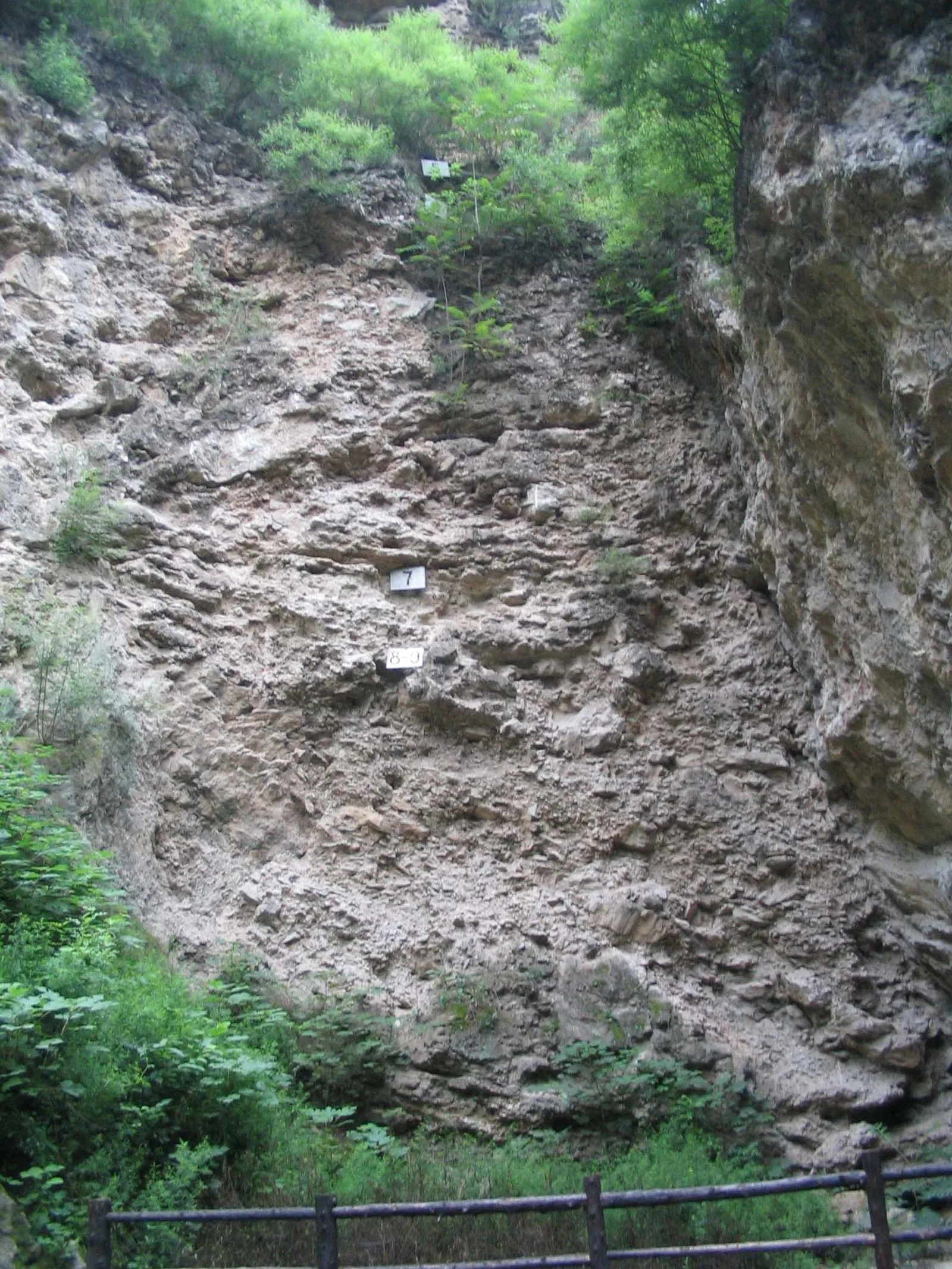
locality 1 of zhoukoudian 周口店第一地点
Photo: myself · 0006-07-25 · Source · Public domain

Route: museum first, then Longgu Hill
Start at the Zhoukoudian Site Museum: see the reconstructed Peking Man skullcap model, stone tools and evidence of fire, and build the "Homo erectus → early Homo sapiens" timeline; then walk up to Locality 1 (Ape Man Cave) on Longgu Hill — the core deposit where fossils were unearthed. There are several marked dig spots on the hill; follow the signs. Open areas and whether you can enter the cave follow the management that day; this article doesn't replace official notes.
How to read the museum
The museum's strength is "objects + reconstructions": the skullcap model, tool assemblages and ash layers (fire evidence) say the most. Most originals are no longer on site (some were lost historically), so exhibits lean on models and labels — which is itself part of the site's story. With kids, make "people used fire and made stone tools" the main line; that's easier than memorizing dates. Exact exhibits follow the museum.
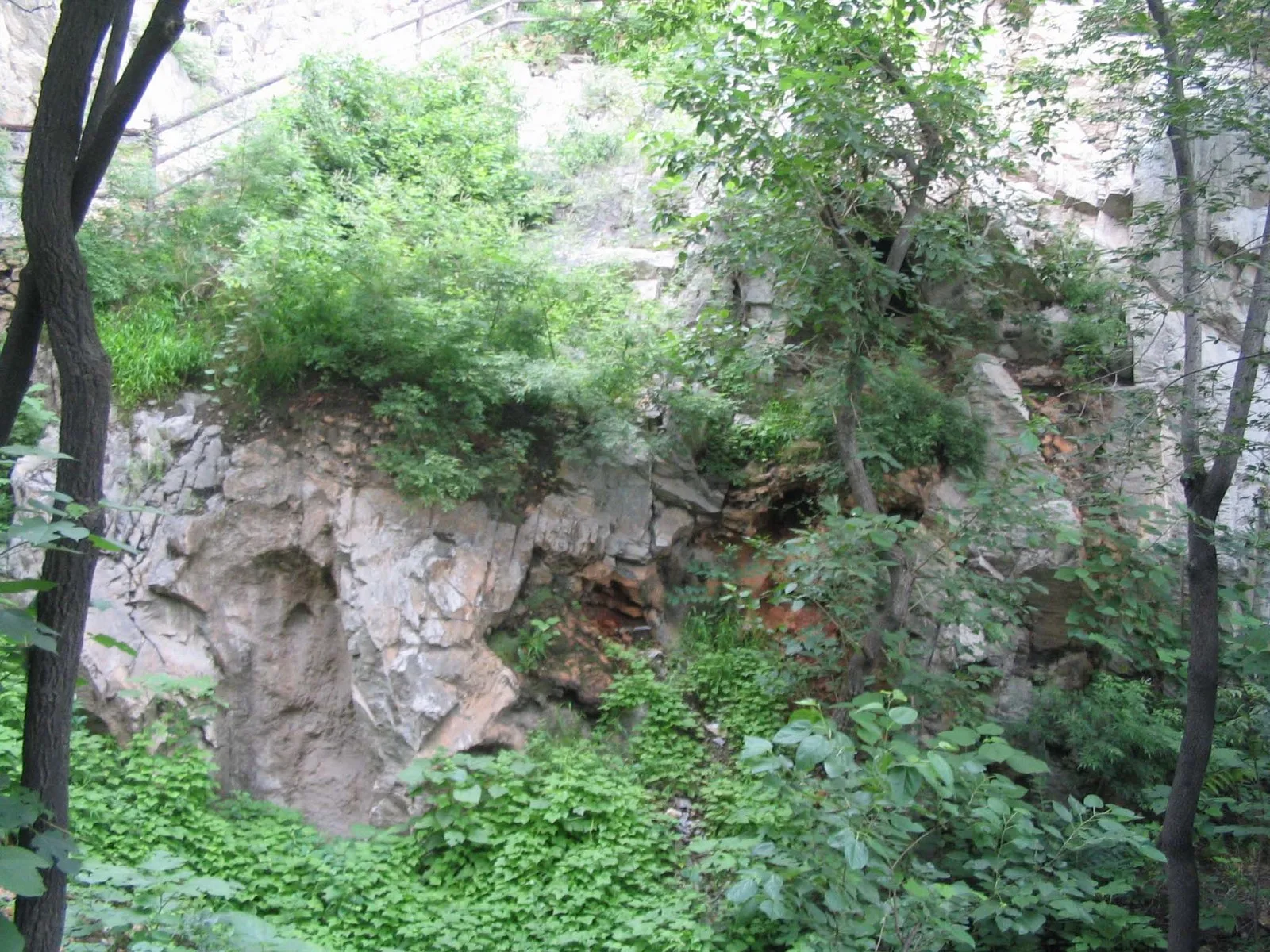
locality 12 of zhoukoudian 周口店第12地点
Photo: myself · 0006-07-25 · Source · Public domain

Locality 1, the Ape Man Cave
The Ape Man Cave (Locality 1) is Zhoukoudian's most famous dig spot — thick deposit, many finds; it's now covered by a protection shelter, and visiting means reading the section and labels, with entry into the cave following the management. The hill has good views over the surrounding hills. Note: the site is protected — don't touch the sections or collect any specimens. Safety and opening follow official notice.
First-visit notes
- A far-suburb site — allow plenty for transport; lines follow bus and navigation.
- Route: museum (skullcap model, tools, fire evidence) → Longgu Hill Locality 1 → dig spots.
- Originals mostly lost; exhibits lean on models and labels, which is also the story.
- Don't touch sections or collect specimens; opening follows the official notice.
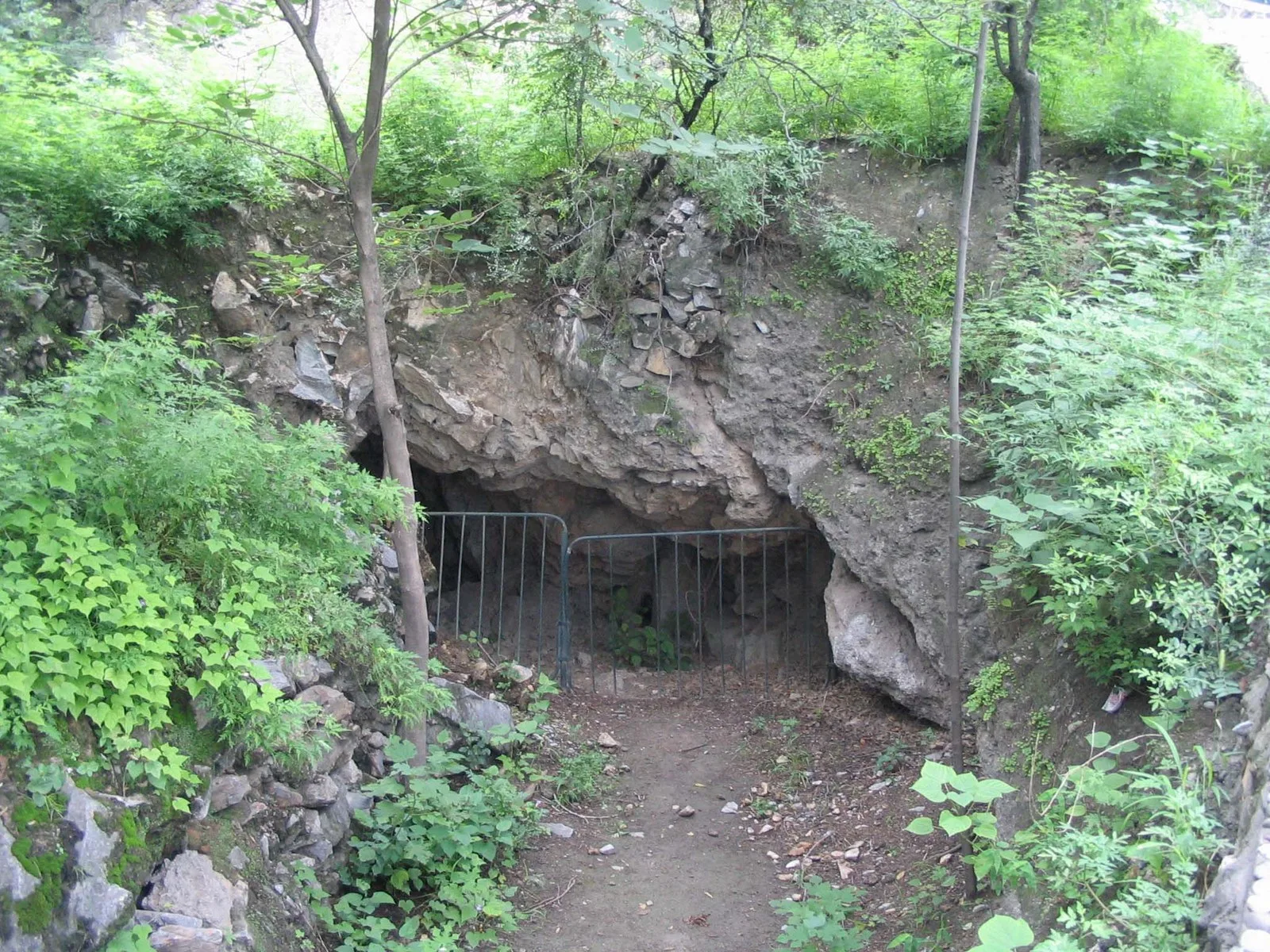
locality 15 of zhoukoudian 周口店第15地点
Photo: myself · 0006-07-25 · Source · Public domain
