Lujiazui: Skyline, River Views and Where to Eat
World Travel 编辑部 · 2026-09-10 · 10 min read
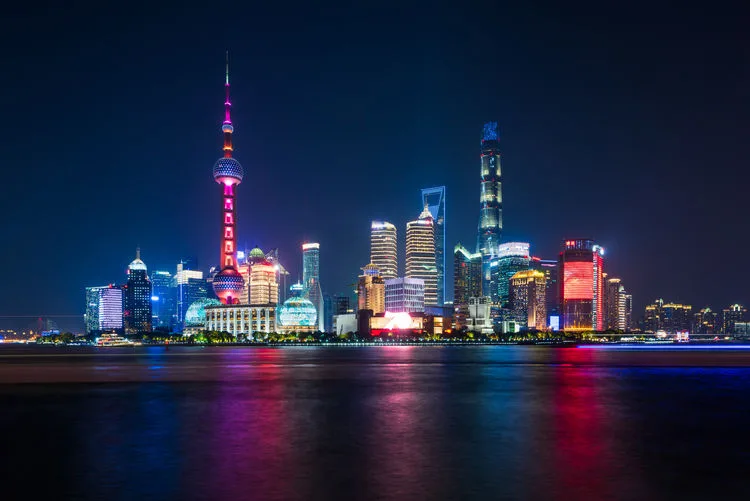
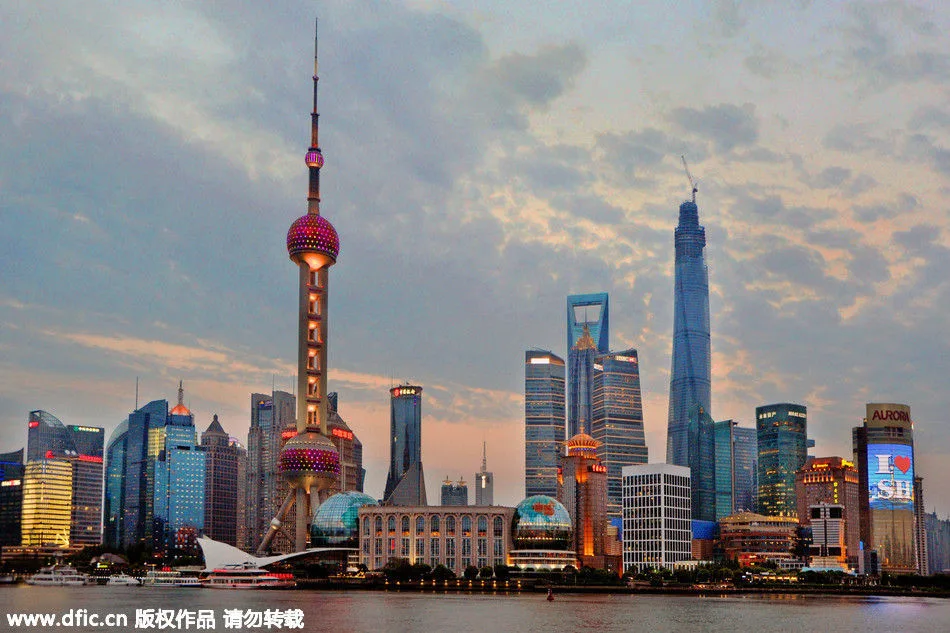
Lujiazui is Shanghai's skyline built from nothing. Until the 1990s this was old dockland and warehouses; today, standing on the riverside promenade and looking west, the historic Bund buildings across the water have become the thing being looked at. That reversal is the best way to understand Pudong.
At a glance
- Area: Little Lujiazui (Binjiang Avenue, Lujiazui Ring Road)
- Suggested time: half to a full day; allow queueing time for observation decks
- Best time: go up about two hours before sunset to catch daylight, sunset and night in one ticket
- Metro: Line 2, Lujiazui
Lujiazui sits on the Huangpu River in Pudong, water on two sides: across the river to the west lies the Bund, to the north the North Bund. Covering 31.78 sq km, it is the core of Shanghai's international financial centre, home to the China and East Asia headquarters of many multinational banks. Alongside the Oriental Pearl Tower, Shanghai Tower, Shanghai World Financial Center and Jin Mao Tower, old dock ruins survive along the river. The Oriental Pearl is among China's first batch of national 5A scenic areas; Little Lujiazui and the Jin Mao and SWFC observation decks are national 4A sites.
Three essentials
Oriental Pearl Tower
Shanghai's oldest modern icon. The headline experience is the fully transparent observation gallery at 259 metres — glass underfoot, straight down to the ground. The Shanghai History Museum inside the base is also worth an hour for the city's path from treaty port to Pudong development.
Shanghai Tower (Shanghai Top of the World Observatory)
The tallest building in China and the second tallest in the world. Express lifts run to the observation deck on the 118th floor, the highest indoor viewpoint in the city. Aim to go up about an hour before sunset for the river views.
(Both are covered in detail in our dedicated guides.)
Museum of Art Pudong (MAP)
The most rewarding recent addition to Lujiazui. At the corner of Binjiang Avenue and Mingzhu Ta Road, construction began on 26 September 2017 and it opened to the public on 8 July 2021. It occupies 13,000 sq m with a floor area of about 40,000 sq m across 6 levels and 13 galleries, and was designed by French architect Jean Nouvel for the Lujiazui Group, with Shandong white granite on the façades and floors.
Its signature feature is two "Mirror Halls" on levels 2 and 3, totalling about 750 sq m, where high-definition screens sit behind glass. From a side door on level 2, a 53-metre walkway extends out to the riverside promenade and a waterside platform.
Photo tip: the roof terrace and Mirror Halls are among the best vantage points in Shanghai for a full panorama of the Bund — many visitors come for this alone. Tickets are 100 RMB on weekdays and 150 RMB on designated days (subject to official notices). It is a short walk from Lujiazui station on Metro Line 2. The Shanghai International Cultural Relics and Artworks Trading Centre was inaugurated here on 2 March 2022, and the China International Cultural Relics and Artworks Expo is held here each year from 26 to 28 October.
Where to eat
Yu Ba Xian (Shanghai IFC)
Cantonese cuisine in an opulent palace-revival dining room, with elaborate tableware and tea service. Order shrimp and bamboo shoot dumplings, crispy roast goose, honey-glazed char siu, and fish maw soup.
Note: details for this restaurant come from local editorial listings, as no authoritative encyclopaedia entry could be cited. Please confirm prices, hours and reservations through official channels.
Yong Fu (Lujiazui Centre and other branches)
Ningbo cuisine with an emphasis on freshness and clean, original flavours. Signature dishes include "She De" (stir-fried choy sum), "Shi Ba Zhan" (raw marinated swimming crab), white crab with rice cakes, and roasted Ningbo taro.
To read the menu, it helps to know Ningbo cooking: a distinctive branch of Zhejiang cuisine built on salt, freshness and fermentation, centred on East China Sea seafood, combining salt and umami, with steaming, roasting and stewing as the main techniques. Signature dishes include soft-shell turtle in rock sugar and braised yellow croaker with preserved mustard greens. The fermented "three stinks" — pickled winter melon, pickled amaranth stems and pickled cabbage hearts — are what separates converts from the unconvinced.
Note: please confirm opening details through official channels.
Suggested plan
Go up Shanghai Tower in the late afternoon for sunset, then walk the riverside promenade to MAP and reach the roof terrace before closing as the Bund lights come on. Do the Oriental Pearl during the day, since its history museum needs time. Dinner is easy: both Yu Ba Xian and Yong Fu are inside the shopping centres here.
Saving money: two observation decks is poor value — pick one. For river views on a budget, the promenade and the museum terrace are better anyway.
Practical notes
- Oriental Pearl and Shanghai Tower both require tickets; book online in advance
- MAP: 100 RMB weekdays / 150 RMB designated days, subject to change for major exhibitions
- Metro Line 2 to Lujiazui puts you next to the main towers
- Queues for the decks are longest on weekend afternoons — avoid them
Photos
Sources
- Wikipedia: Museum of Art Pudong
- Baidu Baike: Lujiazui, Ningbo cuisine
- Editorial listings (no encyclopaedia source available): Yu Ba Xian, Yong Fu