Lai Tang Yuan and Zhong Dumplings: Two Old Chengdu Snack Names
World Travel 编辑部 · 2026-09-10 · 8 min read
Lai Tang Yuan and Zhong Dumplings: Two Old Chengdu Snack Names
In Chengdu's snack culture, Lai Tang Yuan and Zhong Dumplings are names you cannot get around. They were founded in 1894 and 1893 — a year apart — and walked a similar century-long road: street stall to China Time-Honoured Brand.
One carrying pole, one shop
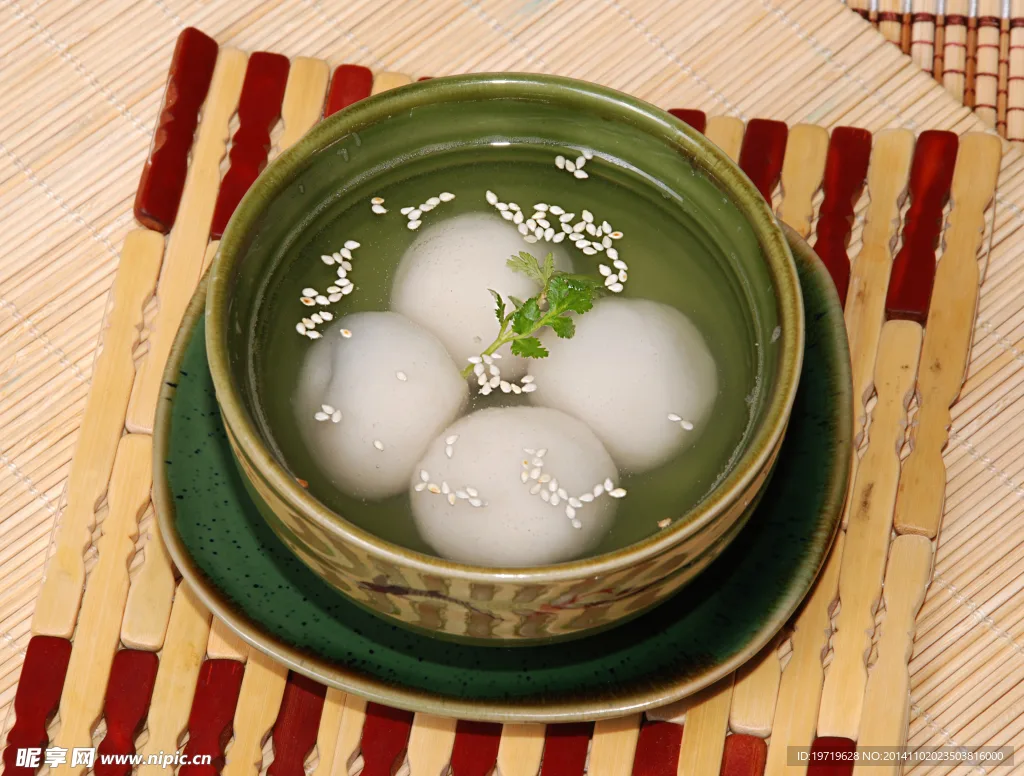
Lai Tang Yuan is a traditional Chengdu snack of the Sichuan cuisine system, founded in 1894. Its founder, Lai Yuanxin, came from Dongfeng in Ziyang (his family originally from Jiaying in Guangdong), and began by carrying a pole and selling glutinous rice balls on the street. Only in the 1930s did he open a shop on Zongfu Street.
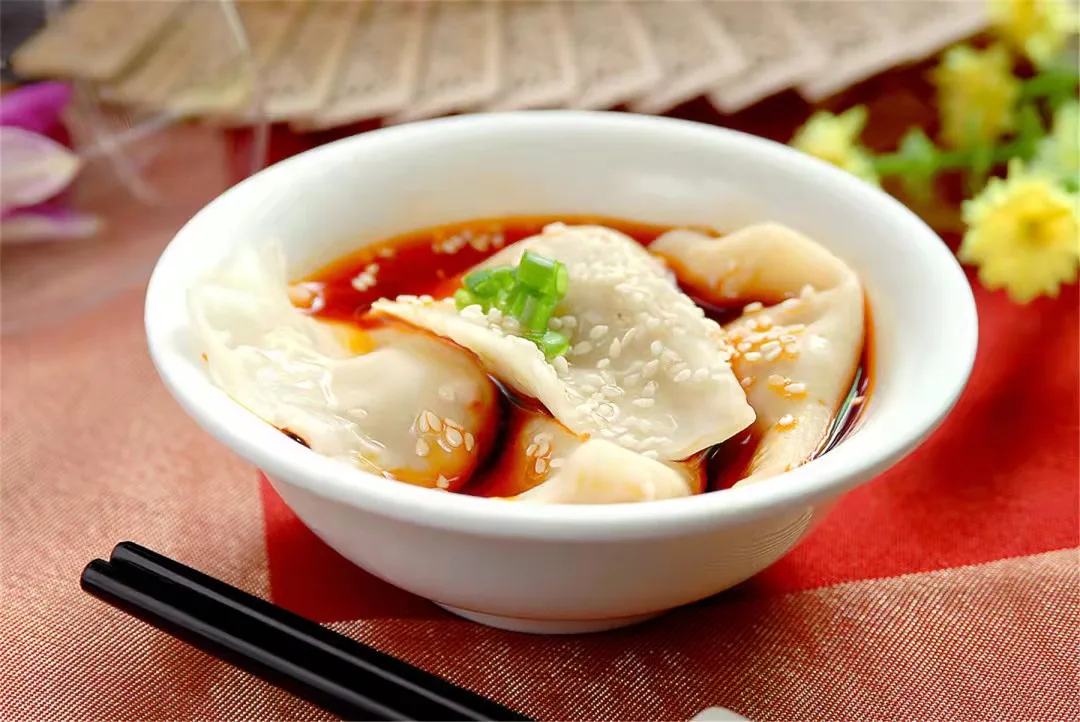
Zhong Dumplings is a Chengdu traditional snack, created by Zhong Xiesen (courtesy name Shaobai) in 1893, the nineteenth year of the Guangxu reign. Because the first shop stood in Lizhi Lane and was known for chilli oil, it was also called Lizhi Lane chilli-oil dumplings. The Lizhi Lane sign was formally adopted in 1931 — nearly forty years from pole to signboard.
Lai Tang Yuan: the "three no-sticks"
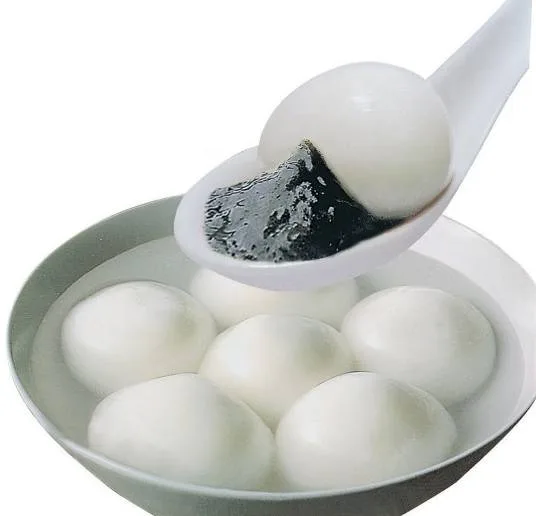
Lai Tang Yuan uses glutinous and ordinary rice with black sesame and sugar. Its character is "glossy white, soft and glutinous, sweet and rich", with a famous quality test: the water does not cloud while boiling, and the dumplings are "three no-sticks" — they do not stick to chopsticks, to the bowl, or to your teeth. They are eaten with sesame paste, which gives the house flavour.
Fillings run to more than ten kinds — black sesame, rose and others — in round and oval shapes. Its modern path is clear:
- 1950s: converted to a state-run eatery
- From the 1980s: mechanised wet-milling
- 2005: a modern factory, and a frozen range
- 2020: frozen products exported to the United States
- 1998: Ministry of Commerce Gold Tripod award; 2006: China Time-Honoured Brand; 2011: its technique joined the Sichuan provincial intangible heritage list
- 2023: its panda glutinous rice balls sold 700,000 a year
Zhong Dumplings: ten dumplings, fifty grams
The key is one sentence: pure pork filling, and the qualities of thin skin, fine ingredients, tender filling, fresh taste — thin enough that ten dumplings weigh just 50 g. The heart of the dish is not the filling but the house chilli oil and "copy" soy sauce dressing.
Its honours are as dense:
- 1990: named a Chengdu famous snack
- 1995: granted China Time-Honoured Brand status jointly with Long Chaoshou
- 2010: its technique entered Chengdu's third batch of intangible heritage, later upgraded to provincial level
- 2016: listed among Sichuan's gold-medal tourist snacks; 2021: shortlisted for provincial tourism food
The "time-honoured" system in Chengdu snacks
Both shops walked the same road: street snack → famous name → intangible heritage. That is the shape of Chengdu snacking at large — born on the street, made on one or two items, kept alive by standardisation and craft recognition. Eat by the "time-honoured" sign and you will rarely go far wrong.
Practical
- Lai Tang Yuan: look for the "three no-sticks"; sesame paste is the standard dip; try black sesame or rose
- Zhong Dumplings: pure pork, no vegetables, dressed in house chilli oil and copy soy — ask for less chilli if you prefer
- How to eat: both are snack-sized; good as breakfast or an afternoon bite, not a full meal
- Note: Long Chaoshou and other old names are in the same family — try several in one run
- Price: very cheap; the most affordable "famous name" experience in Chengdu
Related
- Dongzikou Zhang Lao Er Liangfen: Sweet Water Noodles and Three Kinds of Liangfen
- Chen Mapo Tofu: The Pot by Wanfu Bridge Since 1862
Photos
Sources
- Baidu Baike: Lai Tang Yuan; Zhong Dumplings