Chen Mapo Tofu: The Pot by Wanfu Bridge Since 1862
World Travel 编辑部 · 2026-09-10 · 8 min read
Chen Mapo Tofu: The Pot by Wanfu Bridge Since 1862
Chen Mapo Tofu is a classic of Sichuan and the province's most famous dish — first made in 1862, at the Chen Xingsheng eatery by Wanfu Bridge in Chengdu.
A small shop and a woman called Chen Mapo
Two sources tell the same story: in 1862, at a small restaurant called Chen Xingsheng on the northern edge of Chengdu by Wanfu Bridge, the proprietress Chen Liu-shi created this way of cooking tofu. She had pockmarks on her face and was known as Chen Mapo — Chen the Pockmarked Granny — and the dish took her name. It grew so popular that diners forgot the shop's original name and simply called it the Chen Mapo Tofu house.
Its beginnings were humble in a telling way. Chen Xingsheng was a country shop, and at first it kept neither beef nor rapeseed oil on hand: diners had to buy their own meat at the butcher and oil at the oil shop, then hand the ingredients to the kitchen. Only once trade picked up did the staff start going out to buy for them.
A Qing collection, A Hundred Bamboo-Branch Songs of Brocade City, includes this verse:
Chen Mapo's tofu still keeps its name; the braised tofu is the finest tasting of all. By Wanfu Bridge the door curtain stirs — come buy spring wine and drink the gentleman under the table.
In its day the shop was ranked with the banquet house Zhengxingyuan and with Zhong's dumplings.
Six characters: numbing, hot, scalding, tender, whole, crisp
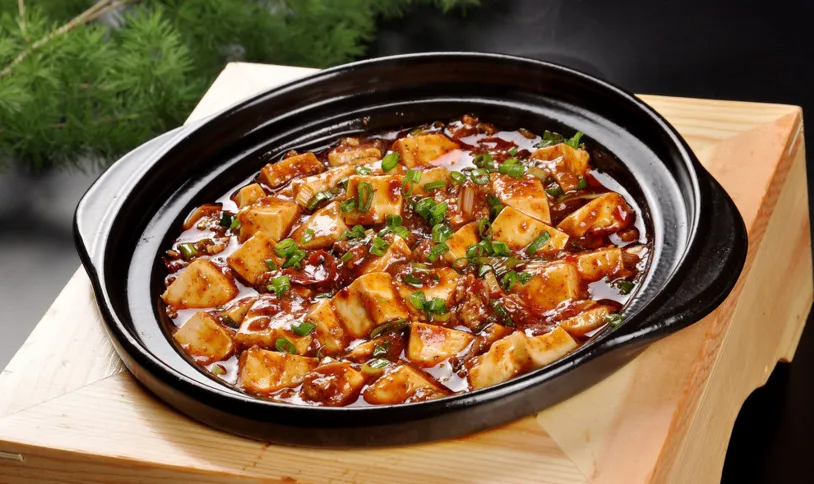
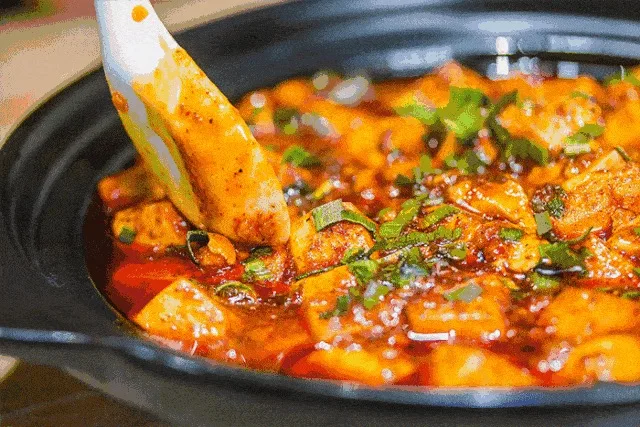
The dish uses tofu and minced beef, seasoned with Hanyuan Sichuan pepper and Pixian bean paste, and is numbing, hot, crisp, fragrant and fresh, cooked in a stone pot to keep it scalding and tender. The modern standard is numbing, hot, fresh, scalding, tender, "bound" (the tofu unbroken) and crisp (the minced beef).
The recipe has shifted over time. One big change was the shop's own move from beef to pork, so that diners who avoided beef could eat it; later it went back to beef alone, but the pork version had spread too widely to disappear. Another was the addition of bean paste, for which Pixian is held the best. The brand now keeps to traditional method and specified sources — Juancheng bean paste, Taihe fermented black beans — producing a dish glossy red, with tofu whole and unbroken and beef mince crisp and fragrant.
From Wanfu Bridge to overseas
The brand's timeline is worth noting:
- 1993: named a China Time-Honoured Brand
- 2006: recognised by both the Ministry of Commerce and the Sichuan trade department
- 2021: shortlisted among Sichuan's provincial tourism food candidates
- 2022: its Qinghua Road branch was included in the Michelin Guide Chengdu
- Through the war years the dish spread nationwide; after reform, industrialised seasoning took it abroad, and there are now branches and seasoning plants in Japan and elsewhere, along with a prepared-food range and retail channels
One footnote: during the Cultural Revolution the dish was renamed "mala tofu" as part of the campaign against old things, and some people still call it that.
What else to order
- Mapo tofu itself — the six characters in one pot
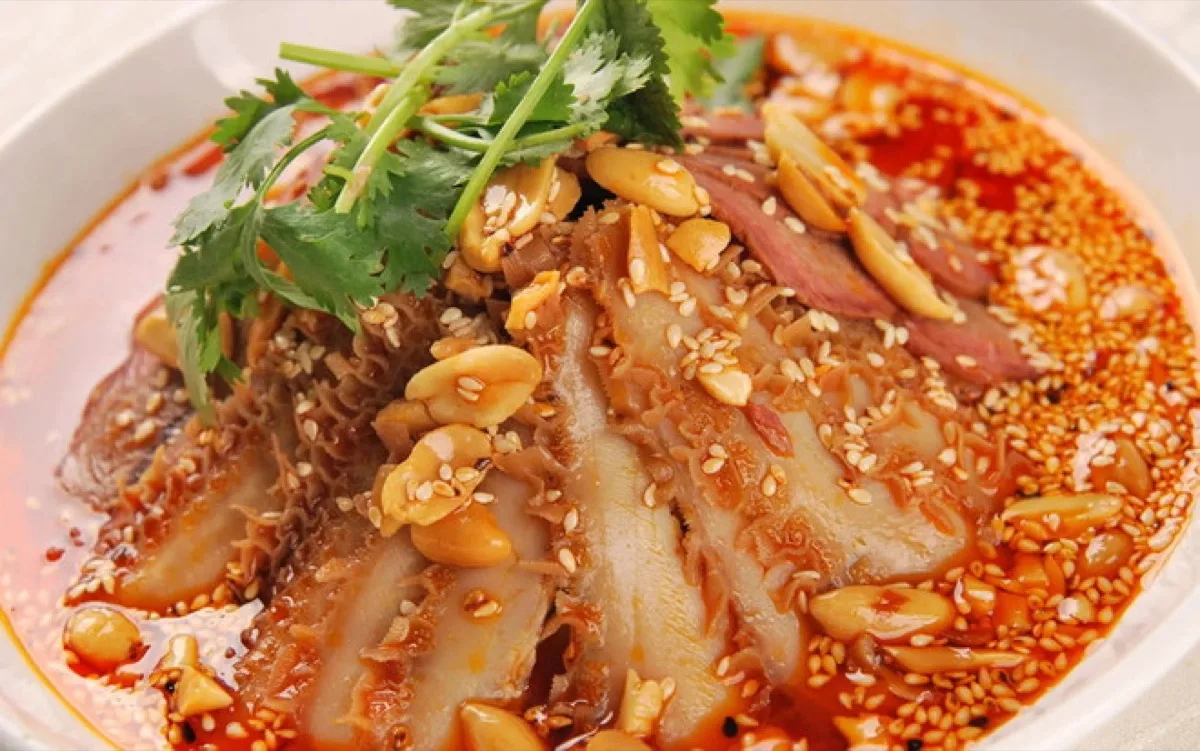
- Fuqi feipian: created by Guo Chaohua and Zhang Tianzheng in the 1930s from beef scalp, heart, tongue, tripe and meat, braised, sliced and dressed with chilli oil and pepper — glossy red, numbing and hot
- Boiled beef and kung pao chicken: two further classics, the latter named for Ding Baozhen, the Guizhou-born official who governed Sichuan in the Xianfeng era
Practical
- Order: mapo tofu is a must; fuqi feipian, boiled beef and kung pao chicken make a classic table
- Eating: it arrives in a stone pot — scalding is part of the point, so let it settle
- Heat: you can ask for it milder; the numbing comes from Hanyuan pepper, not chilli
- Branches: quality varies; the Qinghua Road branch has Michelin listing
- Price: inexpensive, one of the easiest famous dishes in Chengdu to eat
Related
- Yu Zhi Lan: Lan Guijun and the Knife-Cut Golden Thread Noodles
- Lai Tang Yuan and Zhong Dumplings: Two Old Chengdu Snack Names
Photos
Sources
- Baidu Baike: Chen Mapo Tofu; fuqi feipian
- Wikipedia: Mapo tofu