Yu Zhi Lan: Lan Guijun and the Knife-Cut Golden Thread Noodles
World Travel 编辑部 · 2026-09-10 · 7 min read
Yu Zhi Lan: Lan Guijun and the Knife-Cut Golden Thread Noodles
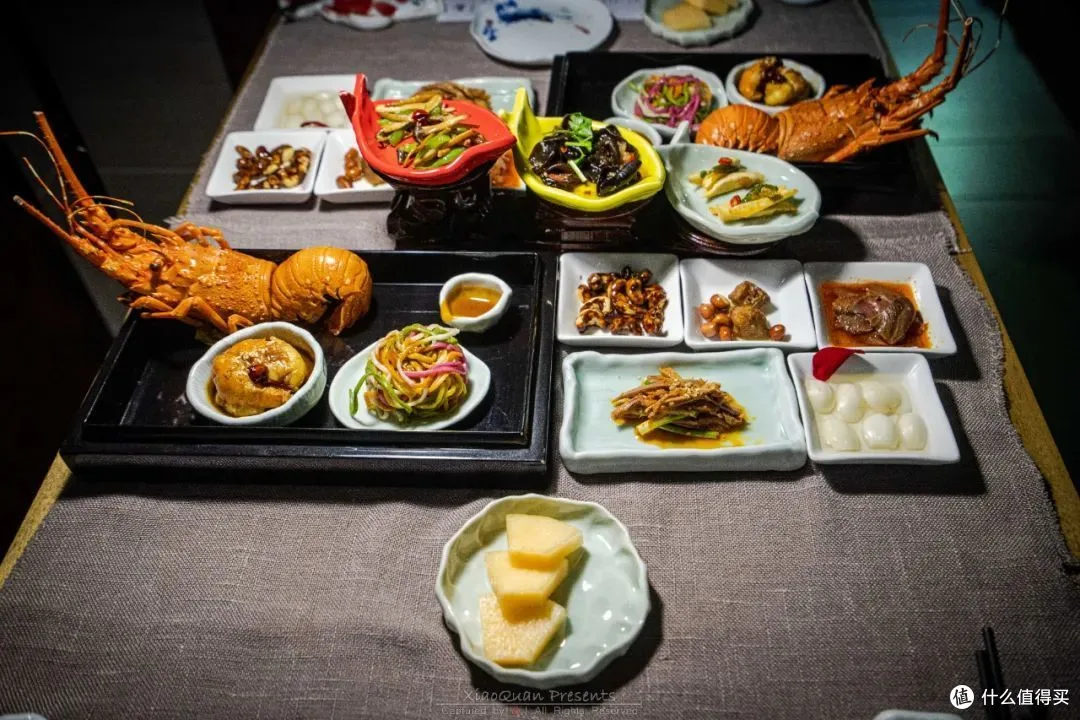
Among Chengdu's two-star Michelin tables, Yu Zhi Lan is the odd one out. It does not trade in the chilli-heavy cooking people expect of Sichuan food; it follows a master's road back to something quieter.
From Shufengyuan to Yu Zhi Lan
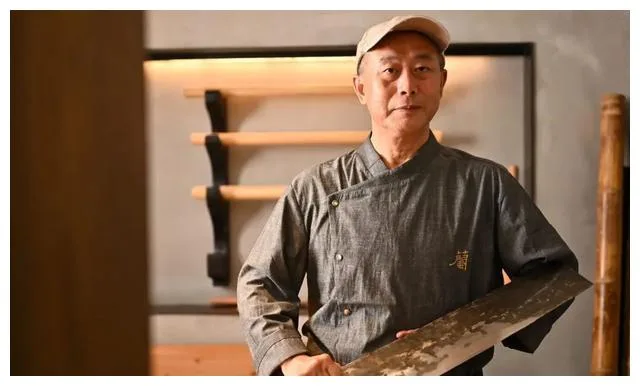
The founder, Lan Guijun, was born in Xinjin, Sichuan, in July 1965 and graduated from the Wenjiang class of the Sichuan Catering Service Technical School in 1985.
His career traces the usual arc of a Sichuan chef — with something left behind at every stop:
- 1985: joined the traditional Chengdu kitchen Shufengyuan, where he learned the classical repertoire
- 1992: posted to Japan
- 1998: head chef at Xianglaokan, where he developed the nationwide hit pickled-pepper chicken feet
- 2011: founded the Yu Zhi Lan brand
- 2021: named to the seventh batch of provincial-level inheritors of intangible cultural heritage in Sichuan
- 2022: Yu Zhi Lan, which he leads, became a two-star Michelin restaurant
He is today recognised as a master of Sichuan cuisine and a provincial-level inheritor of its traditional cooking techniques.
The "bench and cleaver" trick
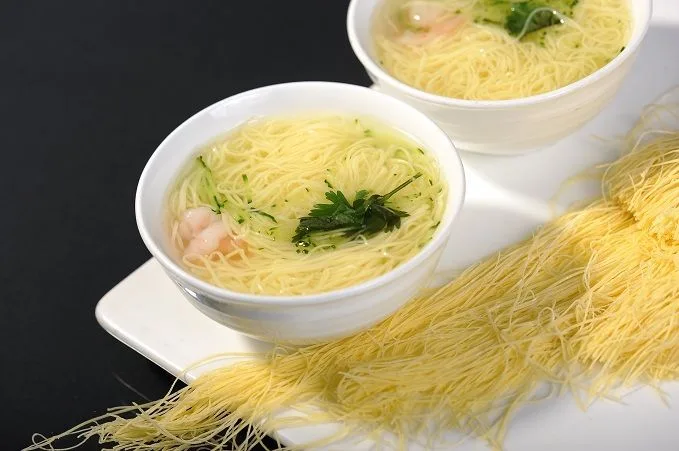
The feat Lan Guijun has demonstrated in public is hand-cut golden thread noodles, pressed under a pole and cut with a great cleaver — the whole skill in the hands. It is the dish to order here, and the clearest window onto his thinking.
His approach is summed up in three phrases: the taste of the ingredient itself, adding a harmonised taste to food, and the taste of harmony. In a Sichuan context that is an argument for restraint — not more seasoning, but recognising what the ingredient already tastes of, and only then balancing it.
What two Michelin stars mean
The Michelin Guide is published by the French tyre company Michelin; it began marking good restaurants with a star in 1926 and adopted the three-star system in 1931. Its inspectors judge quality of ingredients, mastery of flavour and cooking technique, the personality of the cooking, value for money and consistency, and they visit anonymously.
- One star: a very good restaurant in its category, worth a stop
- Two stars: excellent cooking, worth a detour
- Three stars: exceptional cuisine, worth a special journey
Yu Zhi Lan holds two — "worth a detour".
"One dish, one style; a hundred dishes, a hundred flavours"
To read Yu Zhi Lan, set aside the idea that Sichuan food means nothing but heat. Sichuan cuisine is one of China's four great traditions, known for "one dish, one style; a hundred dishes, a hundred flavours", with 24 classic flavour profiles, of which mala is only the most famous. Its compound flavours run to more than twenty: savoury, homestyle, mala, scorched chilli, fish-fragrant, ginger sauce, guaiwei, pepper-tinged, hot-and-sour, chilli oil, garlic, sesame, soy-sauce, smoked, lychee, five-spice, wine-lees, sweet-and-sour, sweet, tangerine peel, mustard, salty-sweet, pepper-salt.
Yu Zhi Lan works the half of that system built on technique and balance.
Practical
- Style: a private kitchen, by reservation only — book ahead
- Signatures: hand-cut golden thread noodles, pickled-pepper chicken wings, abalone in sauce
- How to order: keep the golden thread noodles in the sequence; they are the way in
- Expectations: do not come looking for heat; the house style is balance and the ingredient
- Price and menu: seasonal, by the kitchen's current list
Related
- Songyunze and the Sichuan Banquet: The Rongleyuan Line
- Chen Mapo Tofu: The Pot by Wanfu Bridge Since 1862
Photos
Sources
- Baidu Baike: Lan Guijun
- Wikipedia: Sichuan cuisine; Michelin Guide