Pixian Broad Bean Paste: The Soul of Sichuan Cooking
World Travel 编辑部 · 2026-09-10 · 8 min read
Pixian Broad Bean Paste: The Soul of Sichuan Cooking
Sichuan cooking can do without delicacies from mountain or sea, but the kitchen cannot do without a jar of doubanjiang. Pixian broad bean paste is, to a Sichuan cook, almost another word for "base flavour". It is called the "soul of Sichuan cuisine", the most-used seasoning of the school, and a Chinese geographical-indication product.
One paste that sets the baseline
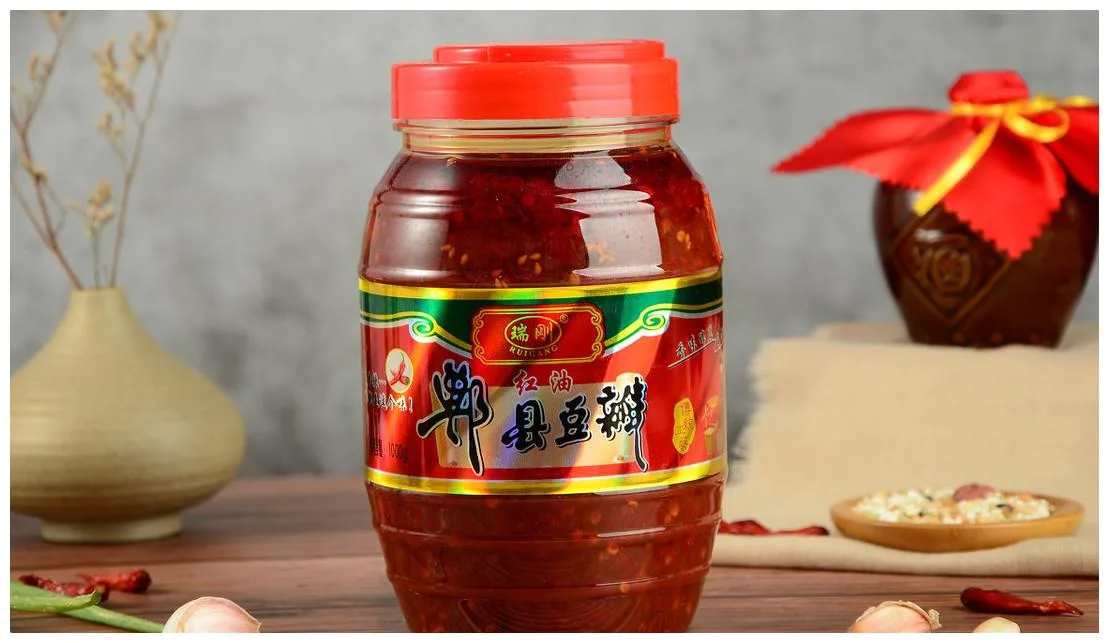
Pixian doubanjiang is the speciality of Pidu district, Chengdu — formerly Pixian county — and is also known as "Pidu douban". It was created by a Pixian man named Chen Shouxin in the Kangxi era of the Qing, and is made across nineteen townships including Tangchang, Pitong and Xipu. The Juancheng brand, made by Sichuan Pixian Douban Co., holds the title of "China Time-honoured Brand".
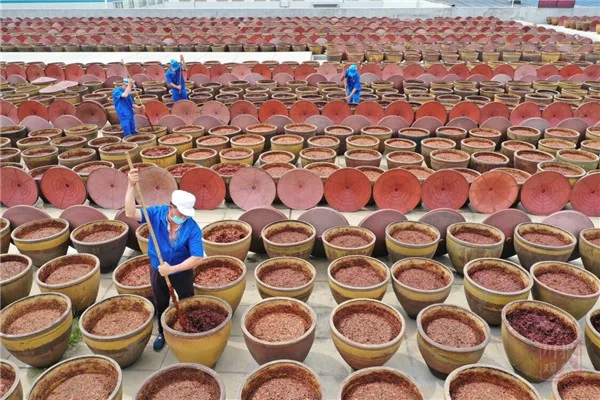
What sets it apart is material and method: its aroma is deep without a single added spice, its colour glossy — everything achieved by fine processing and good raw material rather than additives. The finished paste is heavy on chilli heat, bright red and oily, with large chilli pieces and a sweet finish. At its core it is erjingtiao chillies and broad beans left to ferment naturally — flavour built on time, not on additives.
Why Sichuan cooking cannot do without it
Sichuan cuisine is one of China's four great schools, known for its distinctive mala heat and its range of technique. Its ingredients lean on the mountain produce, seafood and vegetables of Sichuan, while its seasonings are Sichuan sugar, Sichuan pepper, chilli, doubanjiang and fermented bean curd — the paste sits right in that list. Its techniques run to thirty-eight methods, and its signature flavour profiles are mala, yuxiang (fish-fragrant) and guaiwei (extraordinary) — in all three, doubanjiang is usually the foundation.
The cuisine has three branches: the Shanghe school around Chengdu and Leshan in western Sichuan; the Xiaohe school, the salt-merchant cooking of Zigong, taking in Yibin, Luzhou and Neijiang; and the Xiahe school, the rivers-and-lakes cooking of Dazhou, Chongqing and Wanzhou in the old east. Methods differ, but the logic of the paste runs through all three. The flavour only settled into its modern form after chillies arrived in the late Ming and early Qing.
Pidu: one county and one paste
Pidu district was formerly Pixian county, also known as Juancheng, and lies northwest of Chengdu, with an area of 437.5 sq km and about 1.39 million residents. Its history is long: in 314 BC, after Qin conquered Shu, the town of Pi became the Shu commandery's county seat. On 24 November 2016 the State Council approved replacing Pixian county with Chengdu's Pidu district, formally inaugurated on 22 January 2017.
Here too stands Wangcong Temple, honouring the ancient Shu kings Wangdi Duyu and Congdi Kaiming — the pair behind Li Shangyin's line, "the cuckoo's cry is Wangdi's heart". And of Pidu's many products, it is Pixian doubanjiang that ranks first — the phrase "soul of Sichuan cuisine" comes from right here.
How to judge and choose
- Look: genuine Pixian doubanjiang has large chilli pieces, bright red oil and a glossy surface
- Smell: a deep, mellow fermented aroma — never a sharp, artificial fragrance
- Marks: it is a Chinese geographical-indication product, and its craft is on the second national list of intangible cultural heritage
- Brands: time-honoured names such as Juancheng are the safe choice
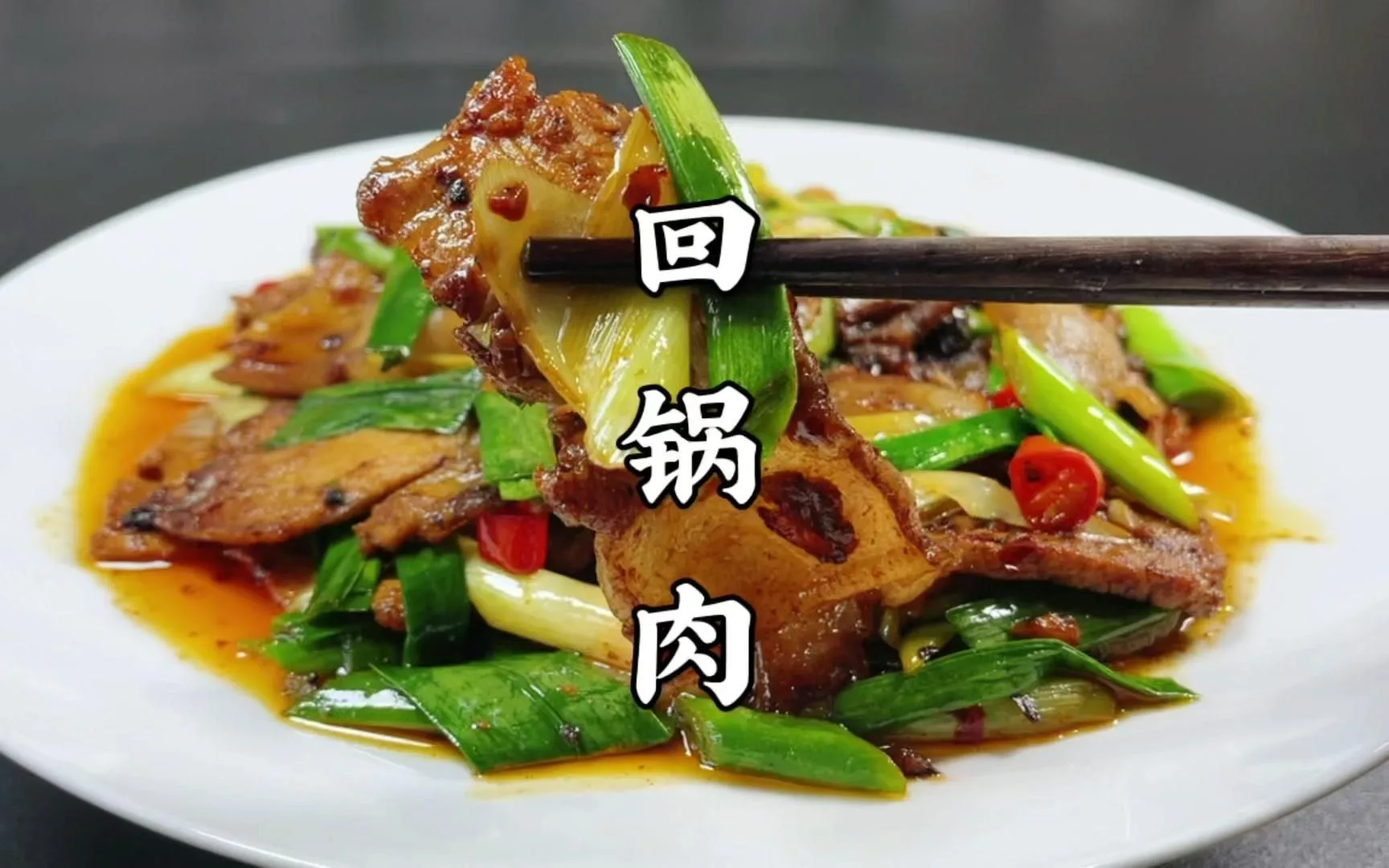
- In the kitchen: for twice-cooked pork, mapo tofu or water-boiled dishes, fry the paste first until the red oil comes out, then add the rest
Practical notes
- Origin: Pidu district, Chengdu (formerly Pixian county) — nineteen townships including Tangchang, Pitong and Xipu
- Founder: Chen Shouxin, Kangxi era of the Qing
- Character: heavy chilli heat, bright red and oily, large chilli pieces, sweet finish
- Status: Chinese geographical-indication product; craft on the second national intangible-heritage list; Juancheng a "China Time-honoured Brand"
Related
- Maocai, Bobo Chicken and Rabbit Head: Chengdu's Mala Street Food
- Chen Mapo Tofu: The Pot by Wanfu Bridge Since 1862
Photos
Sources
- Baidu Baike: Pixian doubanjiang, Sichuan cuisine
- Wikipedia: Pixian doubanjiang, Pidu district