Qinqiang: The Clapper Opera of the Northwest
World Travel 编辑部 · 2026-09-16 · 4 min read
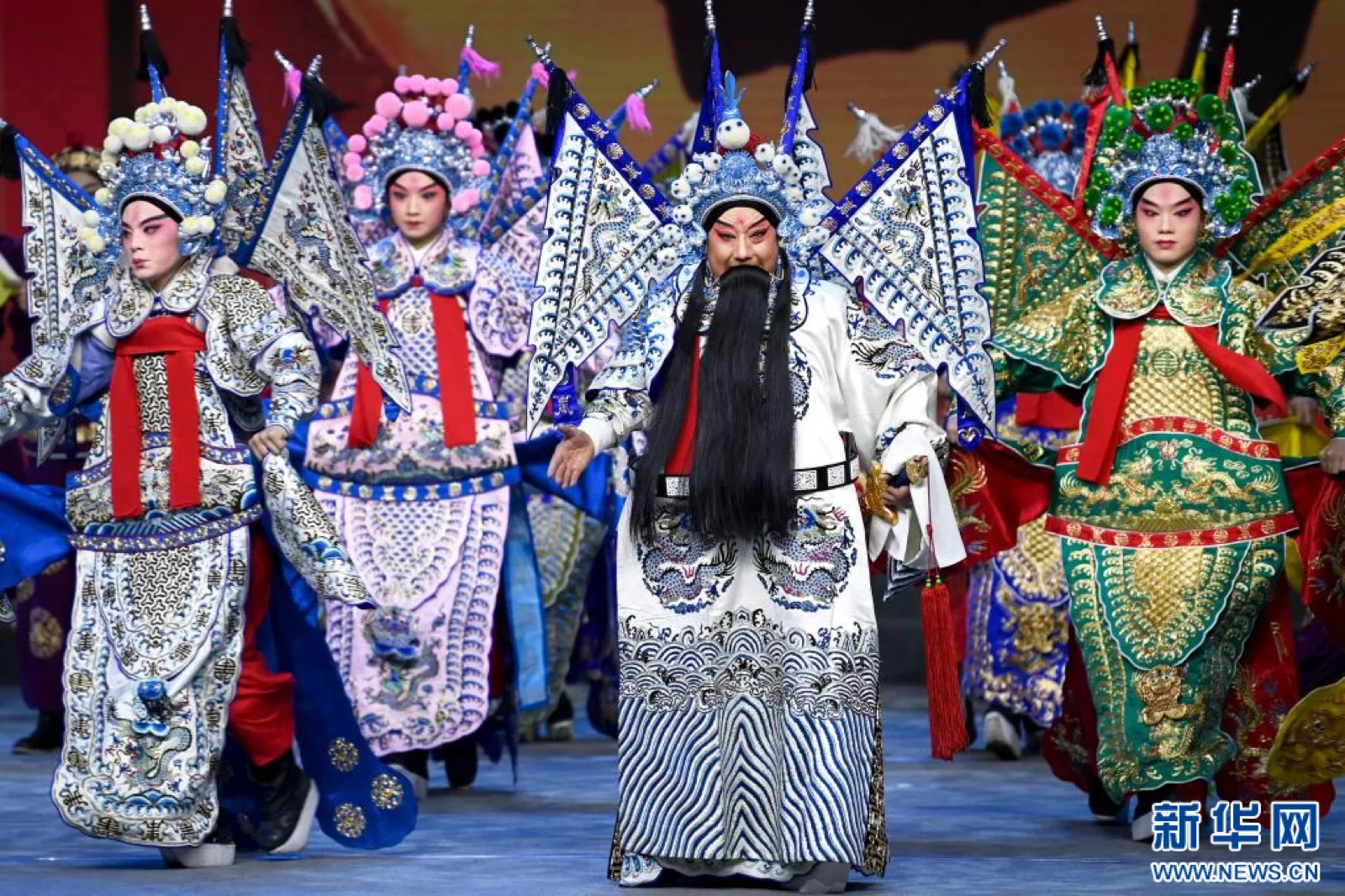
Qinqiang is also called bangzi qiang, the clapper tune, or Shaanxi bangzi. In antiquity Shaanxi and Gansu belonged to the state of Qin, hence Qinqiang; and because early performances were accompanied by clapping jujube-wood clappers, it also became known as clapper tune.
How it formed
Qinqiang is a vocal opera genre that took shape between the Yuan and Ming from the moralising songs of the Guanzhong area, local folk music and the Guanzhong dialect. It is chiefly popular across the northwest: Shaanxi, Gansu, Ningxia, Qinghai and Xinjiang.
In the Ming–Qing transition Shaanxi merchants carried it into the central plains and on to east, central and south China, and by the early Qing it was an opera of national influence.
Why it matters
Once formed, Qinqiang spread across the country. Its mature and complete performance system influenced regional operas to varying degrees, directly shaping clapper-style opera and making Qinqiang its ancestor.
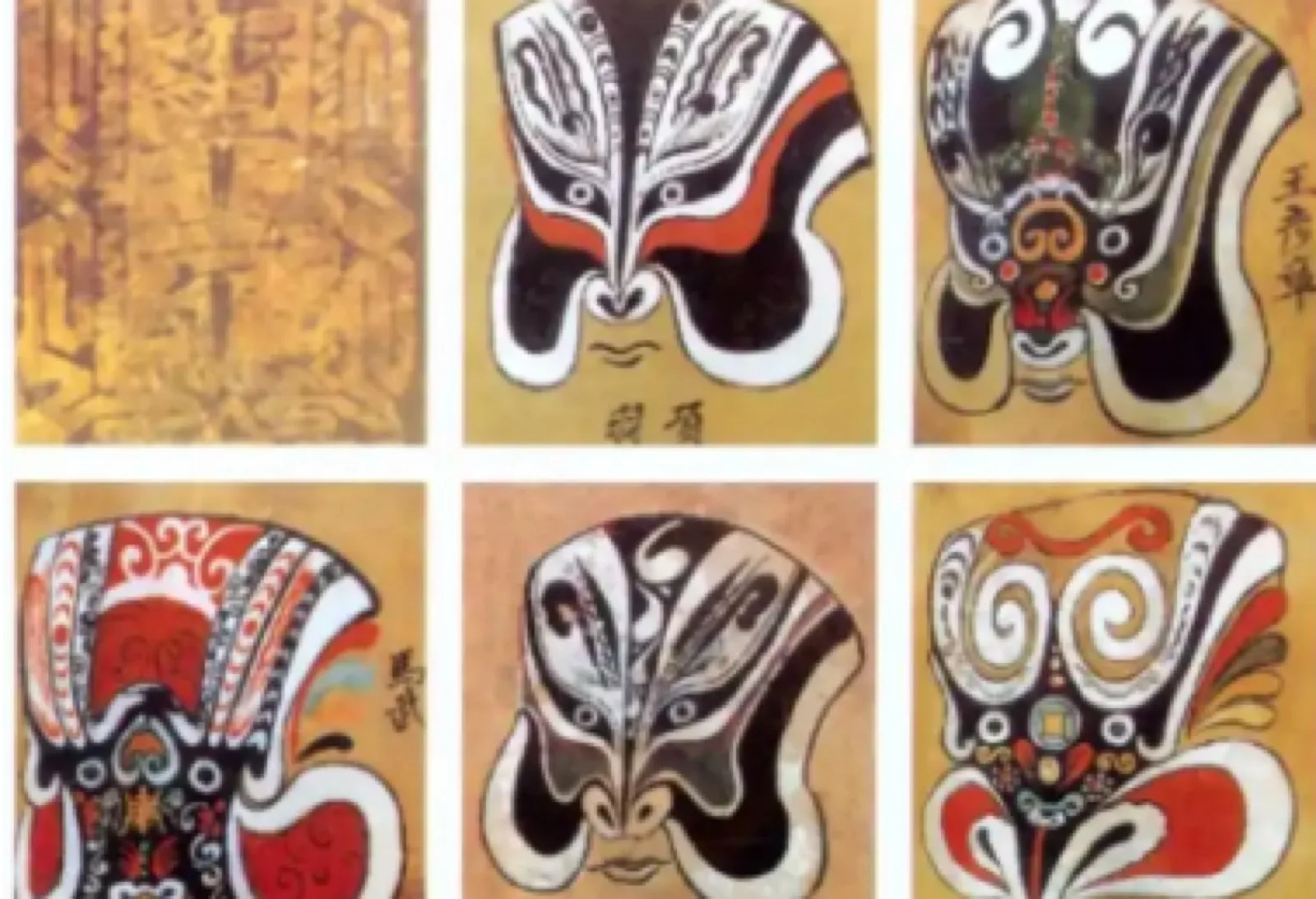
Its technique is plain, rough and unrestrained, strongly exaggerated, close to daily life and rich in skill — which is why it sounds instantly unlike southern genres.
How to see it
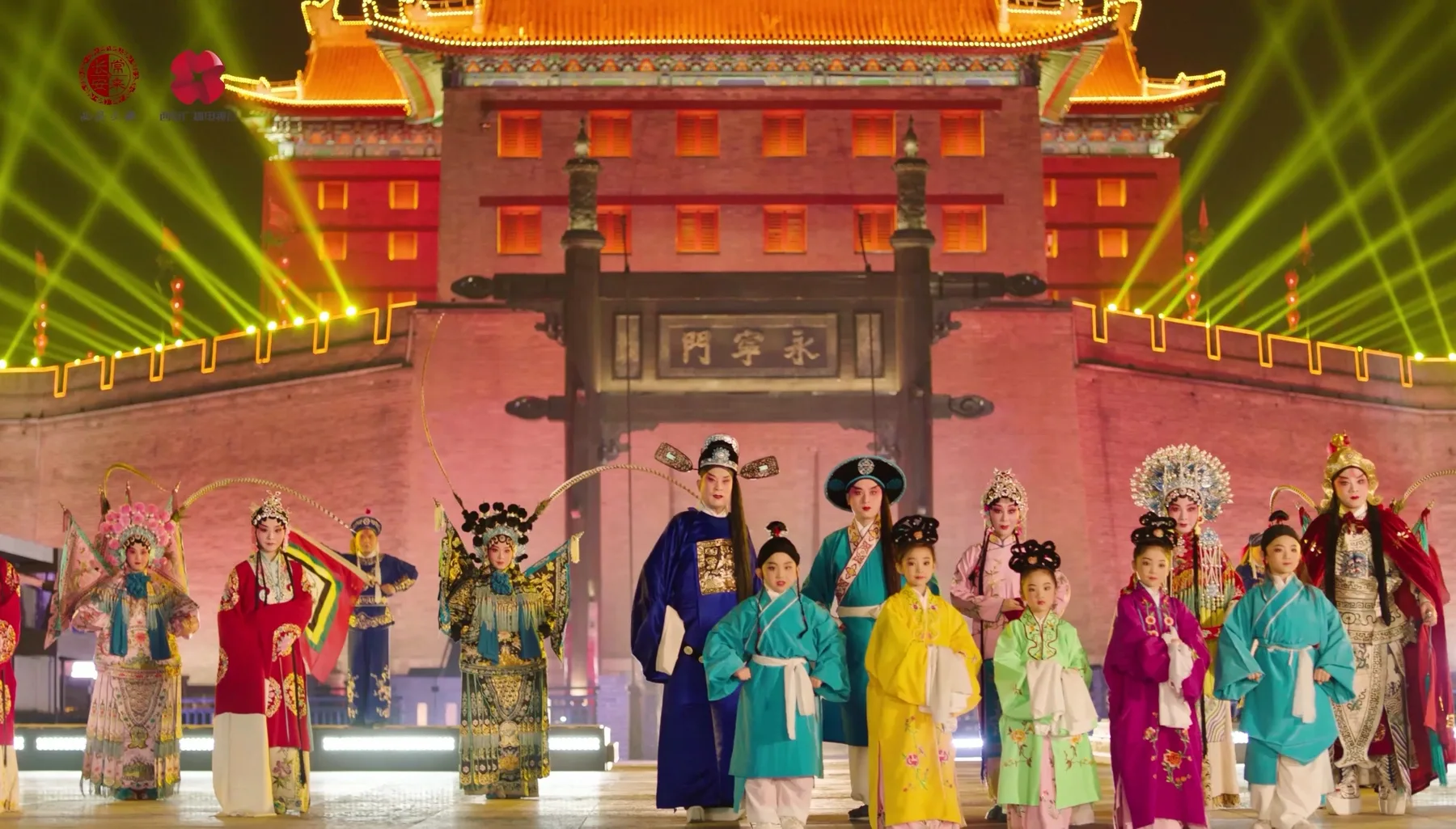
On 20 May 2006 Qinqiang was approved by the State Council for the first batch of national intangible cultural heritage, under number IV-16. To see it in Xi'an, look for theatre performances and venues of the Yisushe kind; check the schedule before planning your trip.
Practical Notes
- The lyrics are hard to follow — read a synopsis before the performance.
- Photography and filming are usually restricted; check on entry.
- Like shadow puppetry and drum music it is Shaanxi heritage; you can sample several in one trip.
Related
- Shadow Puppetry: Two Hands Behind a Lit Screen
- Xi'an Drum Music: Tang Court Melodies Kept in Folk Hands
- Xi'an City Wall Half-Day Guide: From Yongning Gate to Hanguang Gate
Photos
Sources
- Baidu Baike: Qinqiang opera