Shadow Puppetry: Two Hands Behind a Lit Screen
World Travel 编辑部 · 2026-09-16 · 4 min read
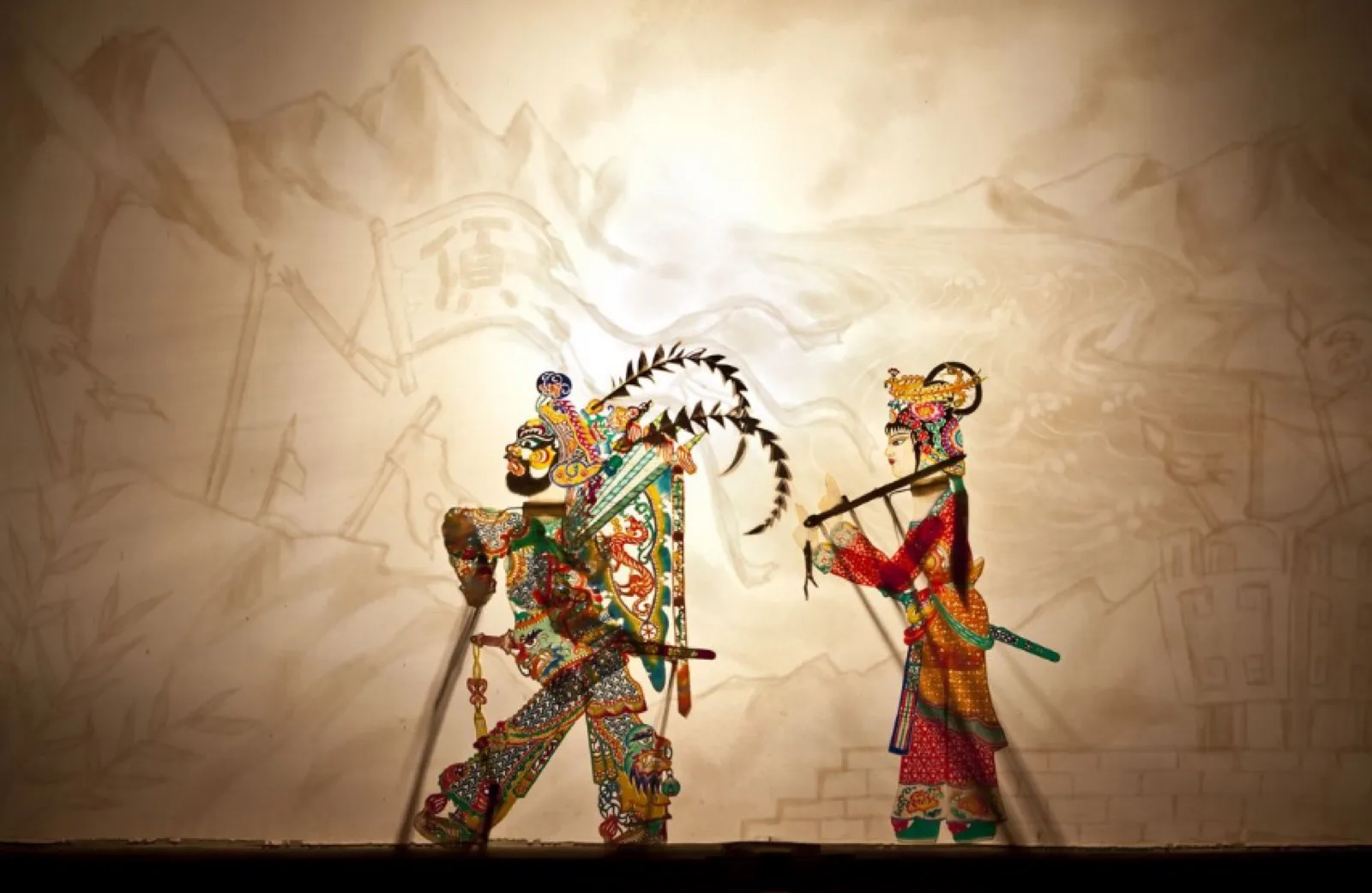
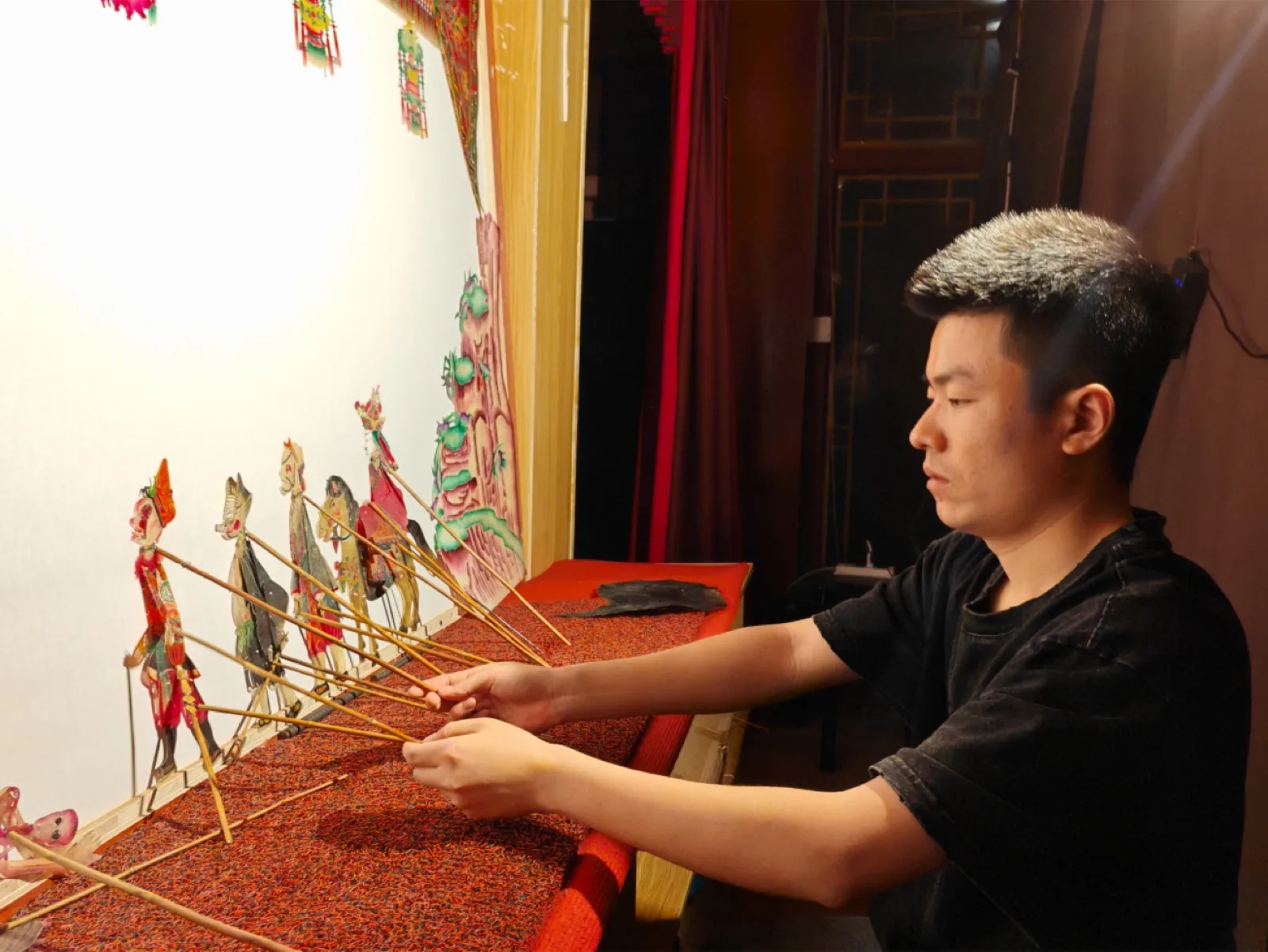
A white cloth, a lamp, and a few figures cut from hide — that is the entire stage of shadow puppetry. The performer hides behind it, working the puppets while telling the story in a local melody.
What it is
Also called shadow play or lamp-shadow play, it is a folk drama performed with silhouettes cut from hide or cardboard. Behind a white screen the performers work the figures while narrating in a popular local tune, accompanied by percussion and strings, with a strong flavour of the countryside.
It spread extremely widely, and the differing regional vocal styles produced many varieties of shadow play.
A line running from the Western Han
Records say shadow puppetry began in the Western Han, flourished in the Tang and peaked in the Qing, reaching West Asia and Europe in the Yuan — a very long pedigree. Old Beijingers called it "donkey-hide shadow".
In 2011 Chinese shadow puppetry was inscribed on the Representative List of the Intangible Cultural Heritage of Humanity. In December 2018 the Shanghai Theatre Academy was named a base for transmitting shadow puppetry as an outstanding traditional Chinese culture.
What to look at
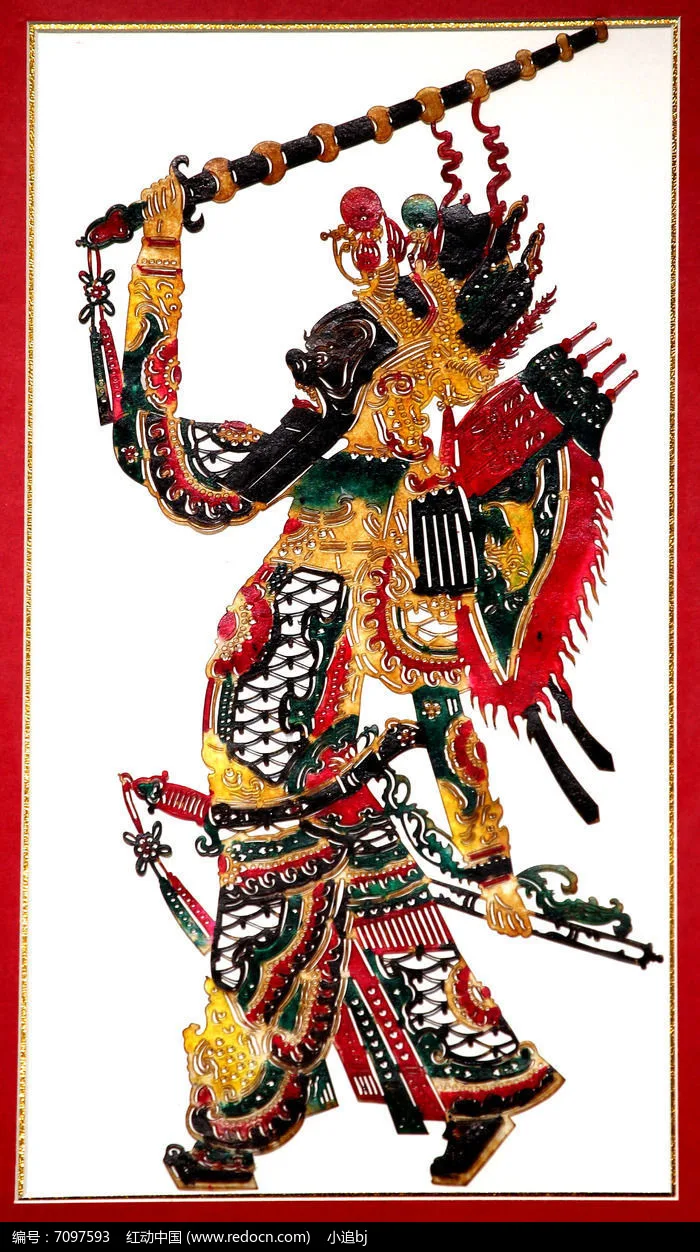
Two things matter: the carving and colouring of the figures themselves, and the manipulation behind the screen. The first can be examined up close in a display case; the second only shows on the cloth — one pair of hands keeping several figures moving at once is the real skill.
Practical Notes
- Performances are usually short pieces — good for children.
- Some venues show figure-making; allow an extra half hour.
- Turn off the flash when photographing to protect the screen and figures.
Related
- Qinqiang: The Clapper Opera of the Northwest
- Xi'an Drum Music: Tang Court Melodies Kept in Folk Hands
- The Muslim Quarter: Xi'an's Hui Neighbourhood Inside the Walls
Photos
Sources
- Baidu Baike: Shadow puppetry