Jinsha Site Museum: The Golden Sun Bird of Ancient Shu
World Travel 编辑部 · 2026-09-10 · 7 min read
Jinsha Site Museum: The Golden Sun Bird of Ancient Shu
On the banks of the Modi River at Jinsha village in Chengdu's western Qingyang district lies a Bronze Age site of more than 5 sq km: Jinsha. It stands 50 km from Sanxingdui and dates to about 1250–650 BC, flourishing around 1000 BC.
2001: a discovery on a building site
Jinsha was first found in February 2001, when ground was broken for Shufeng Garden Avenue. In 2007 the Jinsha Site Museum opened on the spot, displaying the sacrificial area and the finds in situ.
Its date and character give it special weight. Jinsha and Sanxingdui share a material culture, but Jinsha has no city wall, making it roughly the final phase of Sanxingdui culture — evidence of a shift in the political centre of ancient Shu. Jinsha and Sanxingdui are now jointly proposed for World Heritage listing.
On 25 May 2006 Jinsha was named a Major Historical and Cultural Site Protected at the National Level (sixth batch).
Three treasures: the sun bird, the gold mask, the jade cong
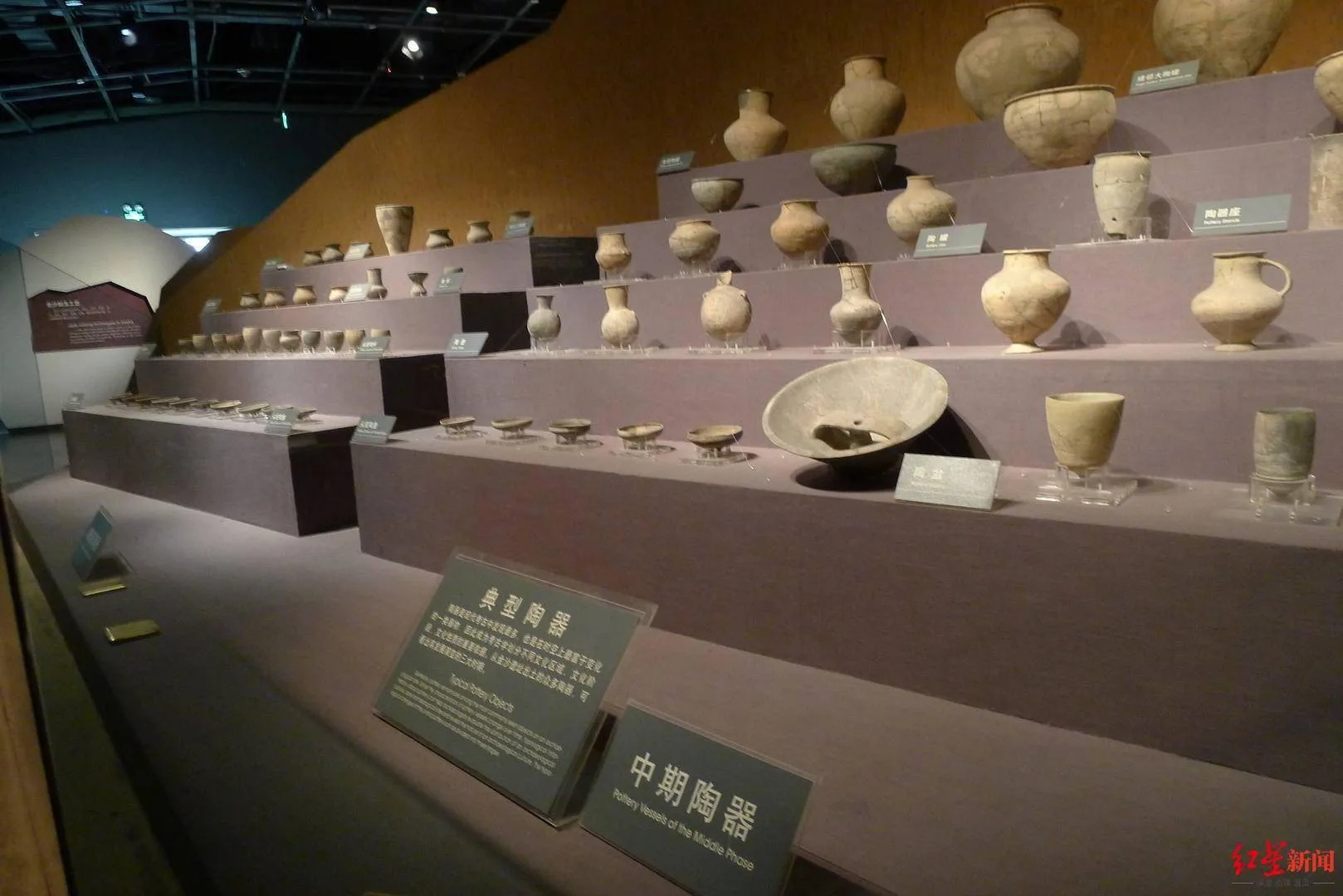
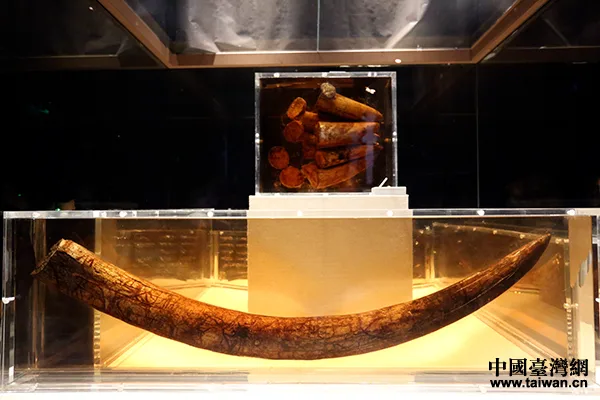
More than a thousand precious objects have been recovered: over 30 gold pieces, some 400 each of jade and bronze, 170 stone objects, 40-plus ivory objects — the ivory alone weighing close to a tonne — and quantities of pottery. Most date to the late Shang and early Western Zhou, a few to the Spring and Autumn period.
Three stand out: the great gold mask, the Sun and Immortal Birds gold ornament, and the ten-section jade cong.
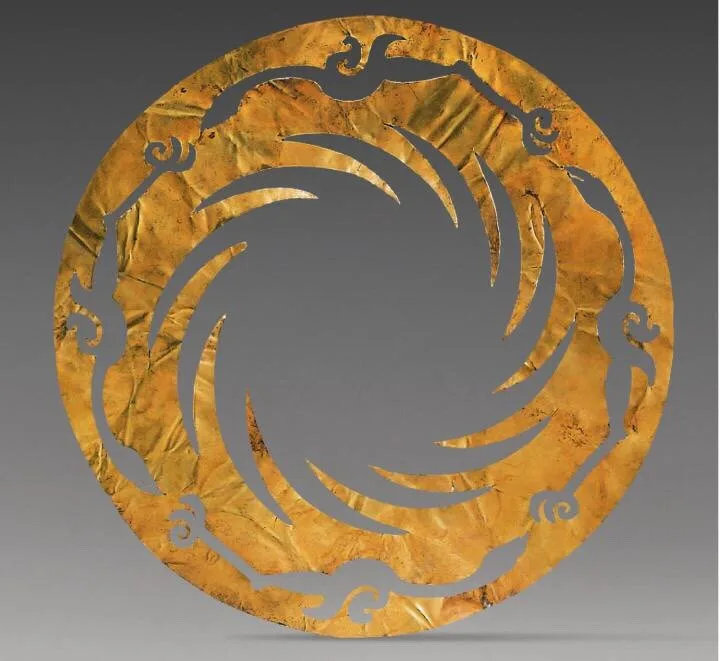
- The Sun and Immortal Birds is a round gold foil 125 mm across and just 0.2 mm thick, in two layers: inside, twelve cut-out rays 52.9 mm across, rotating clockwise, standing for the sun; outside, four cut-out birds, for the myth of birds carrying the sun. It became the emblem of China's cultural heritage and is an unofficial city badge of Chengdu.
- The great gold mask matches the bronze masks of Sanxingdui in style.
- The ten-section jade cong, about 22 cm tall in emerald green, is exquisitely cut with hair-fine patterns and a human figure. Its style is identical to the Liangzhu culture's — and by expert judgement it is more than a thousand years older than Jinsha itself.
Among the gold is a fish-patterned band engraved with an arrow piercing fish and bird, very like the design on the Sanxingdui gold staff; some scholars read it as the legendary Shu king Yufu.
Why it matters
Jinsha rewrote the history of Chengdu and of ancient Sichuan. Before it, the city's documented founding reached back only to the Warring States, when Zhang Yi built the walls.
Many of the finds are ritual vessels — the property, it seems, of the highest stratum of the Chengdu plain. Given the objects and the surrounding structures, the Shufeng Garden area was probably the region's political and cultural centre. Jade dagger-axes and rings show links both to the Yellow River cultures and to Liangzhu far downstream on the Yangtze.
Practical
- What to see: the three treasures first, then the sacrificial area in situ
- Don't rush: the bronzes are mostly small — standing figures, tigers, bells, discs, birds — and reward close looking
- Pair it with: Sanxingdui, 50 km away and part of the same ancient Shu sequence
- Tickets and hours: check the museum's notice for the day
Related
- Du Fu's Thatched Cottage: One Hut and Two Hundred and Forty Poems
- Wuhou Shrine: China's Only Temple to Ruler and Minister Together
Photos
Sources
- Wikipedia: Jinsha site