Qingyang Palace: The Foremost Taoist Temple of Western Sichuan
World Travel 编辑部 · 2026-09-10 · 5 min read
Qingyang Palace: The Foremost Taoist Temple of Western Sichuan
Walk the lanes of Chengdu long enough and it is easy to forget this is also a city of Taoist temples. Qingyang Palace sits at the western second section of the First Ring Road and is known as the "foremost Taoist temple of western Sichuan" and the "foremost forest of the south-west" — one of the country's best-known Taoist temples.
Back to Qingyang Market
Its story runs a long way back: the temple was founded in the Zhou dynasty under the name Qingyang Market. The name still sticks — "palace" is a later status, but "Qingyang" has been there from the first day.
Rebuilt under Kangxi
What stands today is a reconstruction. In the Ming the Tang-era halls were destroyed in war; most of the present buildings were rebuilt between 1667 and 1671, the sixth to tenth years of the Kangxi reign, across a site of about 120,000 sq m.
What to see: the Bagua Pavilion and the bronze goat
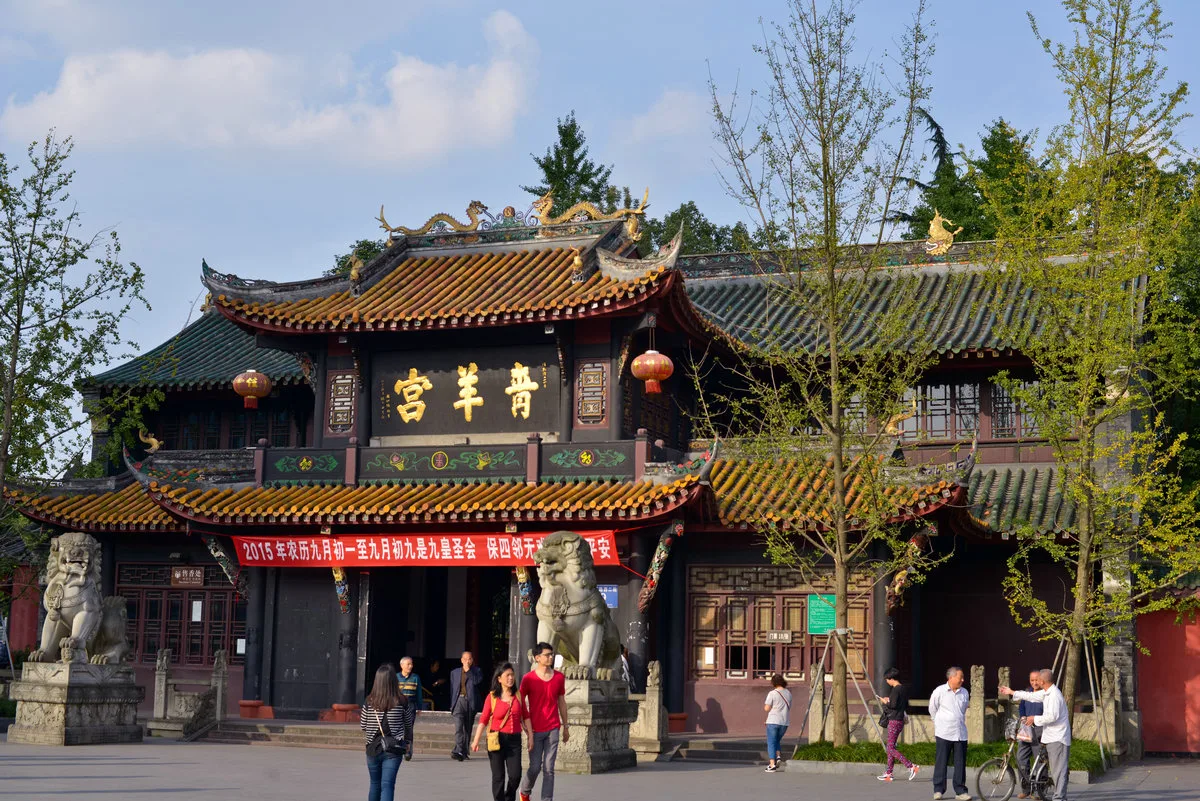
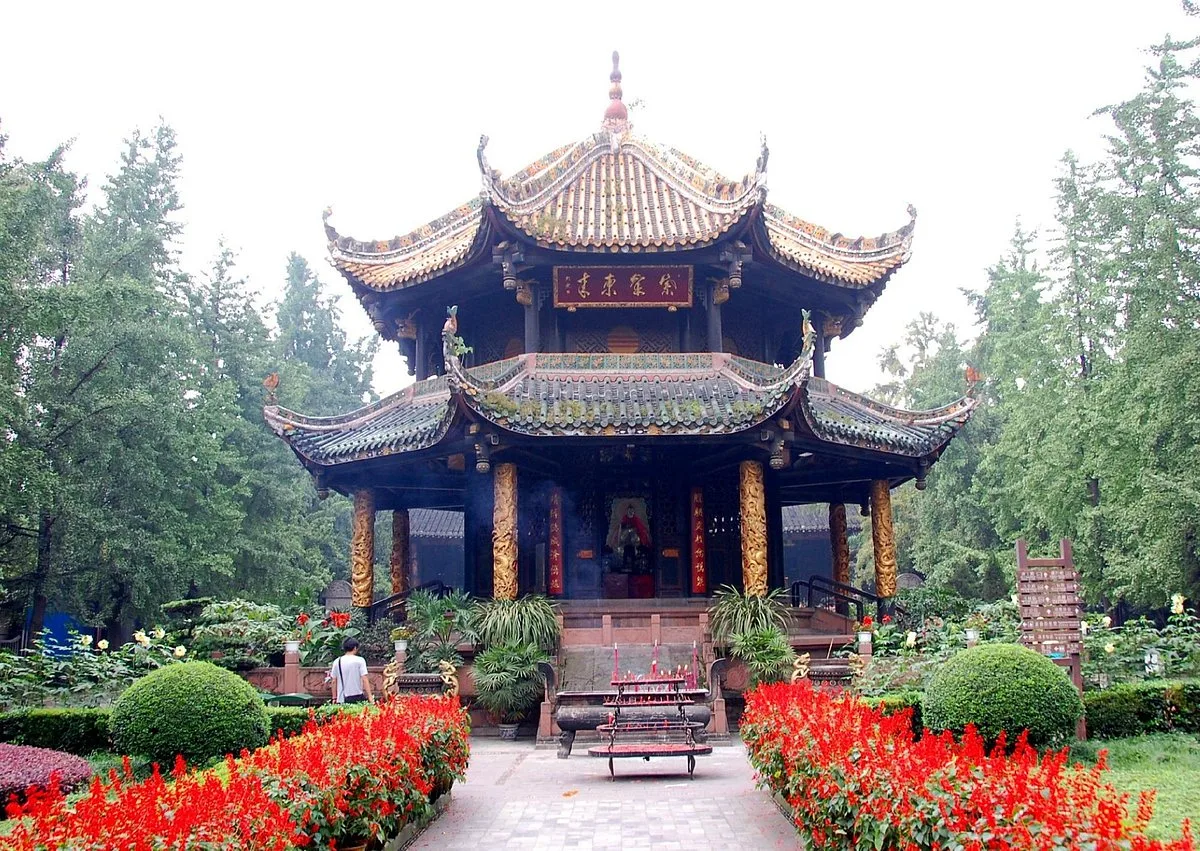
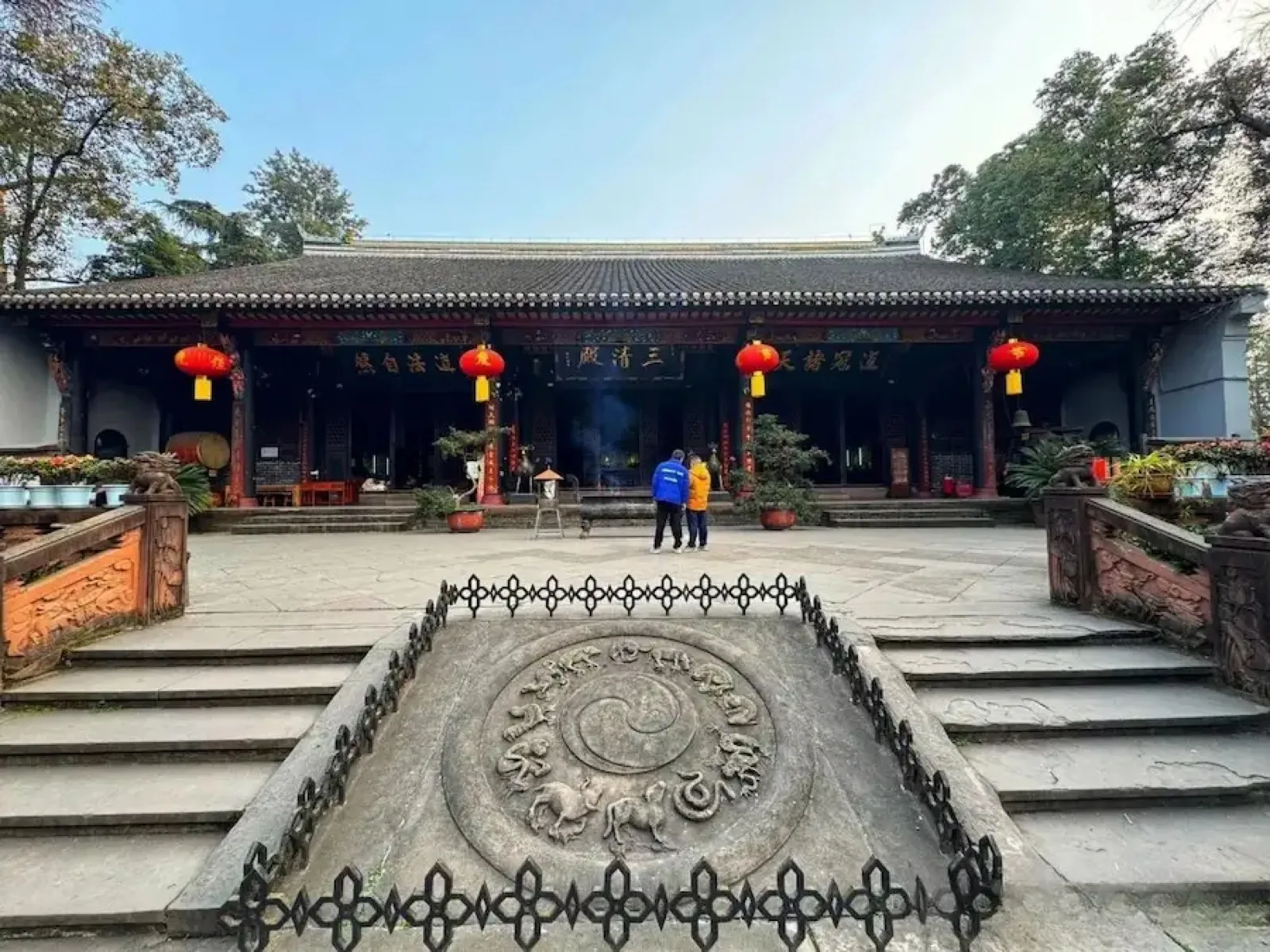
The main structures are the gate, the Hall of the Three Pure Ones and the Hall of the Tang Kings. Inside, the Hunyuan Hall is tall and imposing; the Bagua Pavilion is the best preserved and most elaborate building on the site, housing a statue of Laozi riding a blue ox. For a first visit, entering at the gate and walking the central axis to the pavilion is the least effortful way to read the temple.
The temple's treasure
The most precious object held here is a copy of the Daozang Jiyao, an abridged Taoist canon — the most complete surviving edition in the world, and a vital source for the study of Taoism.
Practical notes
- Location: western second section of the First Ring Road, Chengdu
- Titles: foremost Taoist temple of western Sichuan; foremost forest of the south-west
- Founded: Zhou dynasty, as Qingyang Market
- Rebuilt: most present buildings date from 1667-1671, Kangxi reign
- Scale: about 120,000 sq m
- Main halls: gate, Hall of the Three Pure Ones, Hall of the Tang Kings; the Bagua Pavilion is the best preserved and most elaborate
- Treasure: the Daozang Jiyao, the most complete edition in the world
- Status: a key national Taoist temple; a Sichuan provincial cultural relic
Related
- Wenshu Monastery: A Thousand-Year Zen Court in the City Centre
- Mount Qingcheng: Front and Back Slopes of a Daoist Cradle
Photos
Sources
- Baidu Baike: Qingyang Palace