Wenjiang Garlic and Pujiang Quexi Tea: Two Products of the Chengdu Plain
World Travel 编辑部 · 2026-09-10 · 9 min read
Wenjiang Garlic and Pujiang Quexi Tea: Two Products of the Chengdu Plain
Much of the Chengdu Plain's produce hides in its counties and districts. Head southwest to Pujiang and you find a green tea whose buds look like a sparrow's tongue — Pujiang quexi. Head west to Wenjiang and you find the garlic that old Sichuan cooking cannot do without. One is drunk, one is cooked; both are Chinese geographical-indication products.
Pujiang quexi: shaped like a sparrow's tongue
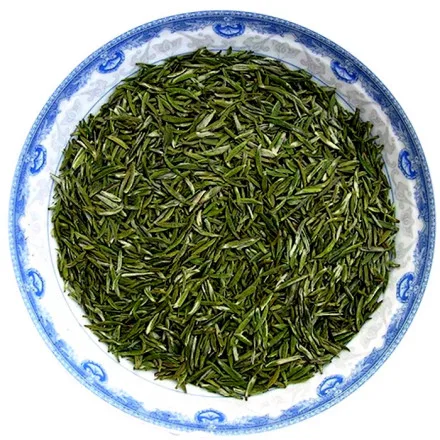
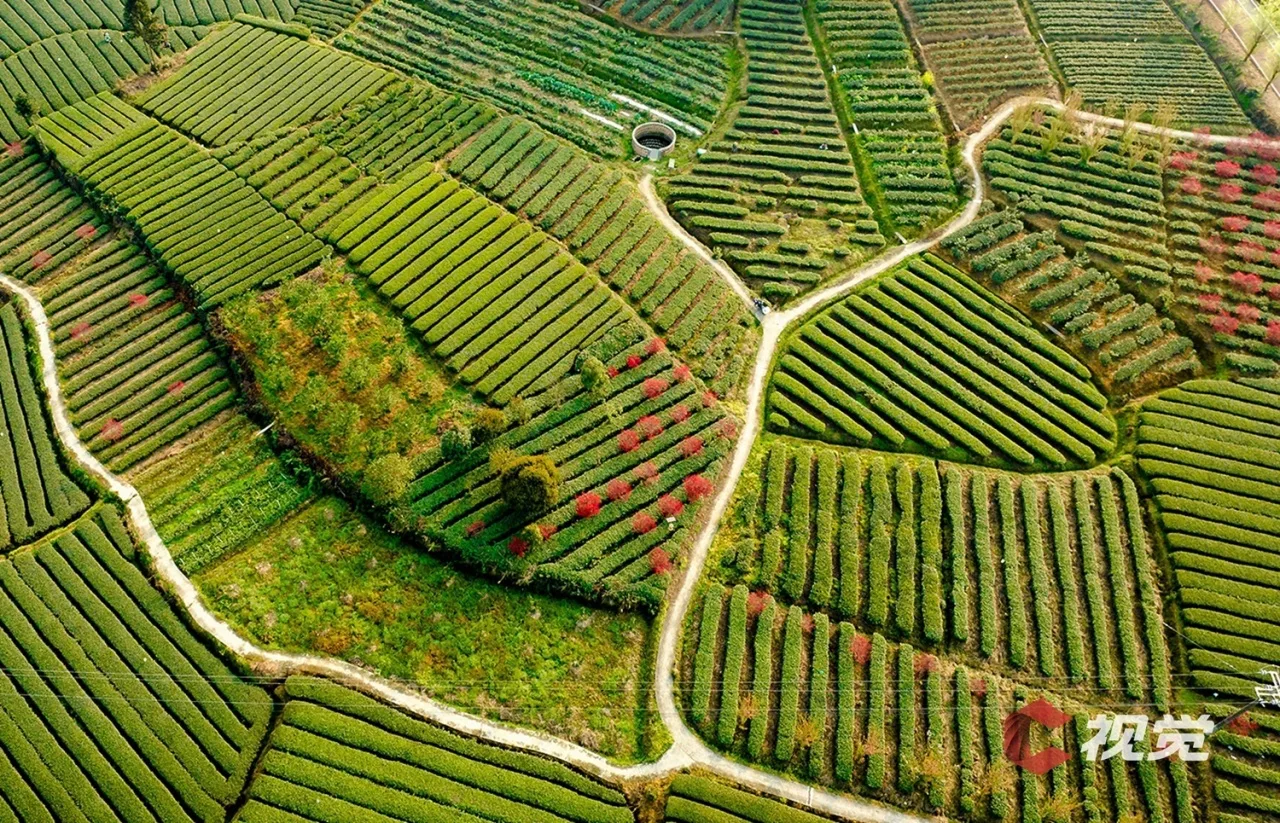
Pujiang quexi is the speciality tea of Pujiang county, Sichuan, and a Chinese geographical-indication product. Pujiang sits on the southwestern edge of the Chengdu Plain, in the southwest of the Sichuan Basin — an important tea-growing belt, with good natural conditions and a long history of growing and processing tea.
It is made from tender tea leaves; the new buds are shaped like a bird's tongue, very small, giving the tea its name — quexi, "sparrow tongue". The quality is high, summed up as "green in colour, high in aroma, mellow in taste, beautiful in form". It has the honours to match: three consecutive first prizes at the "Zhongcha Cup", a place in the "National Top 100 Regional Public Brands for Agricultural Products", and inclusion on 23 December 2019 in the "Top 100 Landmark Brands of Chinese Agricultural Products".
Pujiang is more than tea
Pujiang county covers 580 sq km with about 260,000 people, its seat in Heshan subdistrict. Its environment is the selling point: forest coverage of 49%, an average temperature of about 16°C, and air, soil and water of good quality — exactly the base a good tea needs.
And tea is not its only speciality — all four are Chinese geographical-indication products: Pujiang rice-puff candy, Pujiang kiwifruit, Pujiang quexi tea and Pujiang ugly mandarin. The rice-puff candy has a history of several centuries, made by frying puffed rice in a mix of lard and rapeseed oil; it comes out a glossy pale white and was rated a quality product by the Sichuan Bureau of Commerce in 1979. Pujiang also produced the Southern Song neo-Confucian Wei Liaoweng and the anti-Japanese general Li Jiayu.
Wenjiang garlic: an old name from "Golden Wenjiang"
Wenjiang district lies west of Chengdu, covering 277 sq km with about 970,000 people. It sits wholly in the heart of the Chengdu Plain, mild in climate with a dense river network — good farming country, long known as "Golden Wenjiang". More than 4,000 years ago the ancient Shu kingdom of Yufu arose here; in April 2002 Wenjiang county was reorganised as a district of Chengdu.
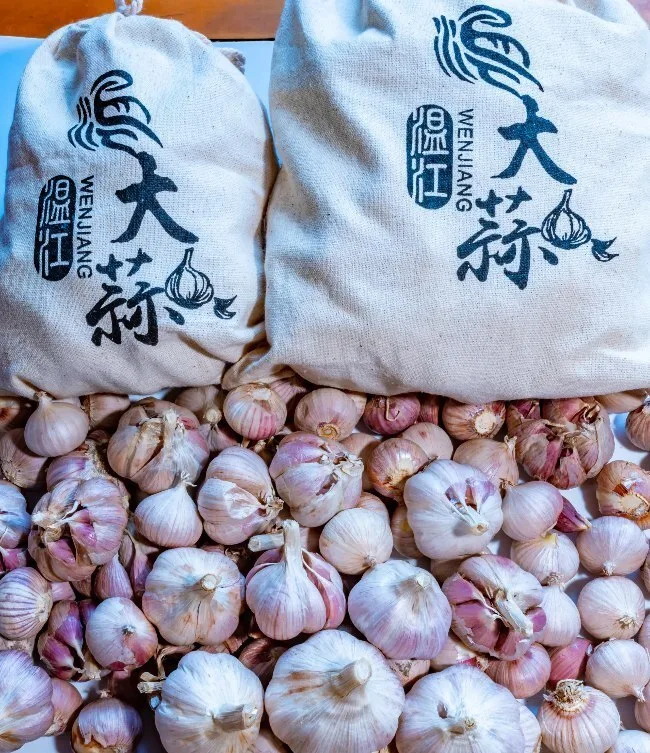
Wenjiang garlic is the district's speciality and a Chinese national geographical-indication product. Its bulbs are flat-round and neatly formed, with a pale purple-red skin — a rare, high-quality variety, described as "tender and strong in flavour, crisp enough to melt, plump cloves, a long lingering aroma, thick pungent juice". On 31 December 2006 the former General Administration of Quality Supervision approved geographical-indication protection for it. Wenjiang's other landmark product is its soy sauce — together, the two are exactly the autumn-and-winter pairing behind old-style Sichuan cured pork and sausage.
Where garlic comes from
Garlic belongs to the lily family, genus Allium, a biennial herb also known as husuan. It is native to southern Europe and Central Asia; in 113 BC, the fourth year of Emperor Wu of Han's Yuanding era, Zhang Qian brought it from the western regions into the Guanzhong area of Shaanxi, and from there it spread across China. Today China is among the largest growers of garlic in the world.
Bringing it home
- Pujiang quexi: picked in spring, fresh and sweet in the finish; being a green tea it rewards freshness — the spring season is when to buy the year's new leaves
- Wenjiang garlic: flat-round bulbs with pale purple-red skin, thick pungent juice — good for pickling, stir-frying and curing
- Pairing: for old-style Sichuan cured pork and sausage, this is the garlic that belongs in the mix
- Both are landmark products — look for the regional mark
Practical notes
- Pujiang quexi: a Pujiang county speciality and Chinese geographical-indication product; "green in colour, high in aroma, mellow in taste, beautiful in form"; three consecutive Zhongcha Cup first prizes
- Pujiang county: 580 sq km, 49% forest cover, with rice-puff candy, kiwifruit and ugly mandarin as further landmark products
- Wenjiang garlic: a Wenjiang district speciality and Chinese national geographical-indication product (approved 2006); flat-round bulbs with pale purple-red skin
- Wenjiang district: 277 sq km, long called "Golden Wenjiang", birthplace of the ancient Shu kingdom of Yufu
Related
- Pixian Broad Bean Paste: The Soul of Sichuan Cooking
- Shu Embroidery and Chengdu Lacquerware: Made by Hand
Photos
Sources
- Baidu Baike: Pujiang quexi, Wenjiang garlic
- Wikipedia: Pujiang county, Wenjiang district