Gorgon Nut: Suzhou's Autumn Sweet Soup
World Travel 编辑部 · 2026-09-10 · 9 min read
Gorgon Nut: Suzhou's Autumn Sweet Soup
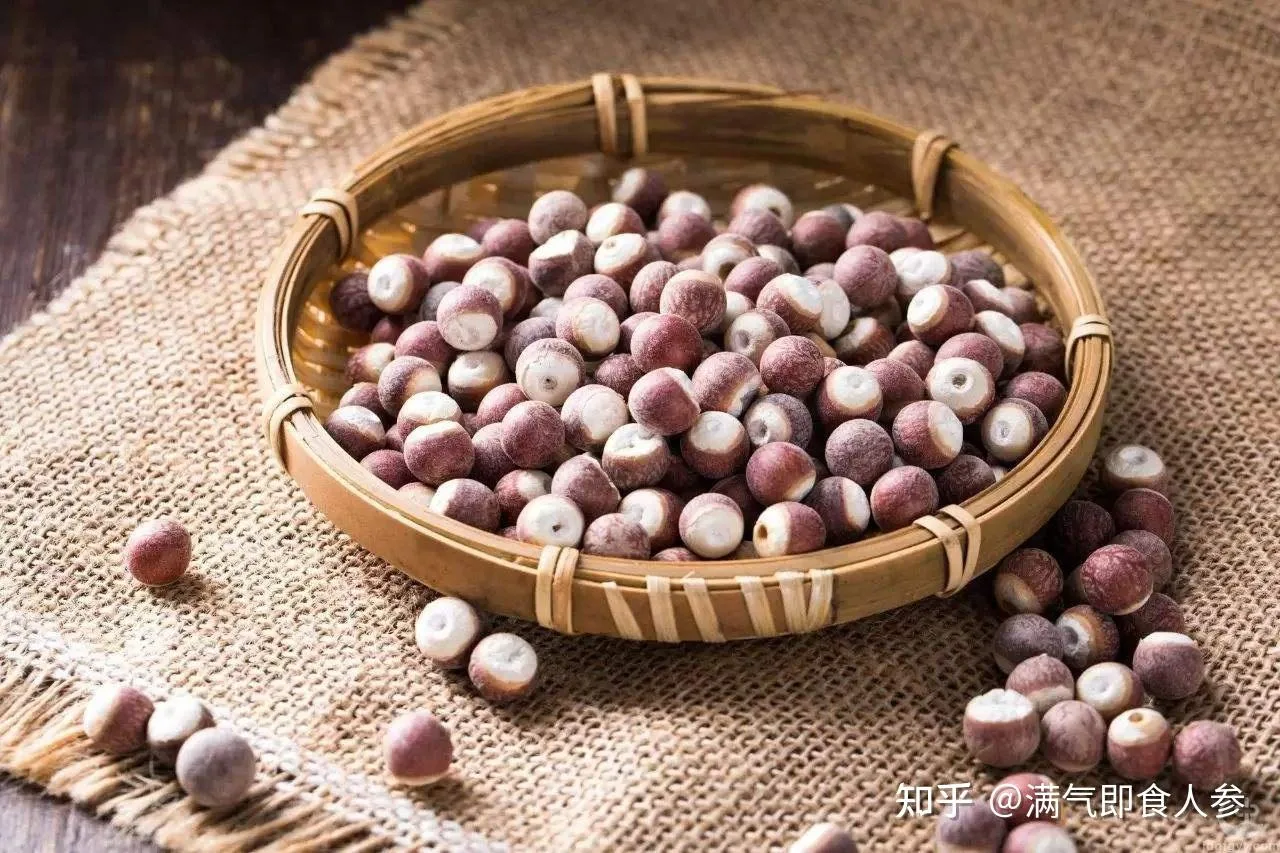
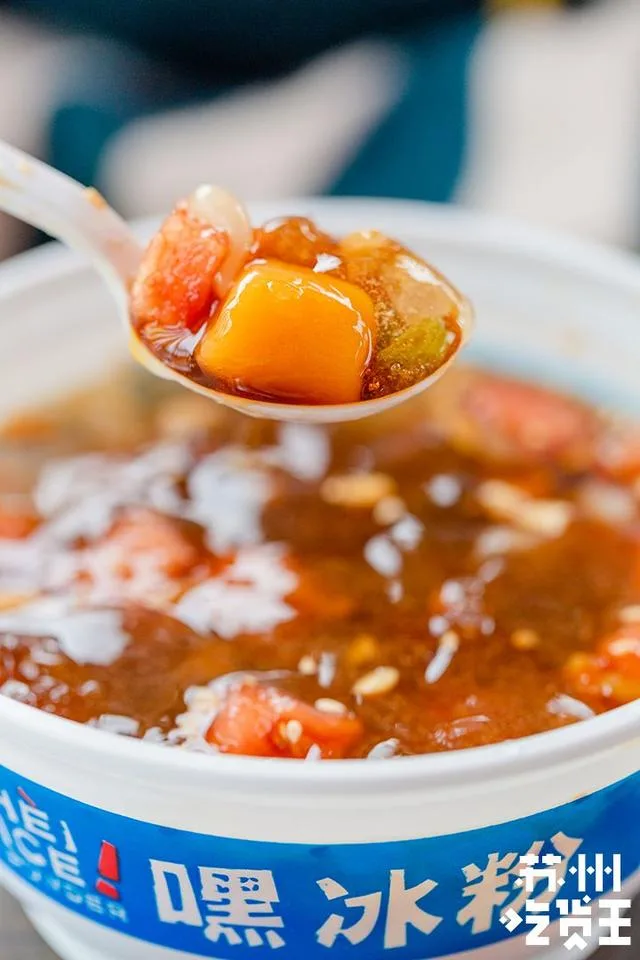
Suzhou's autumn has a sweet soup the locals wait all year for — qianshi, the gorgon nut, known here as jitoumi, "chicken-head rice". It is not rich or complicated: a small bowl of clear liquid with a few dozen round white kernels, a little rock sugar or osmanthus. Soft and glutinous going in, springy as you chew. And it is only available in autumn.
What qianshi is
Jitoumi is the seed of the plant qian (Euryale ferox). It belongs to the water-lily family, genus Euryale — a monotypic genus, meaning this is the only species in it. Folk names include "chicken-head lotus"; its seed is formally called "qianshi", also "qian rice", and in Jiangsu it is simply jitoumi. The Ming-dynasty Compendium of Materia Medica records it as qianshi.
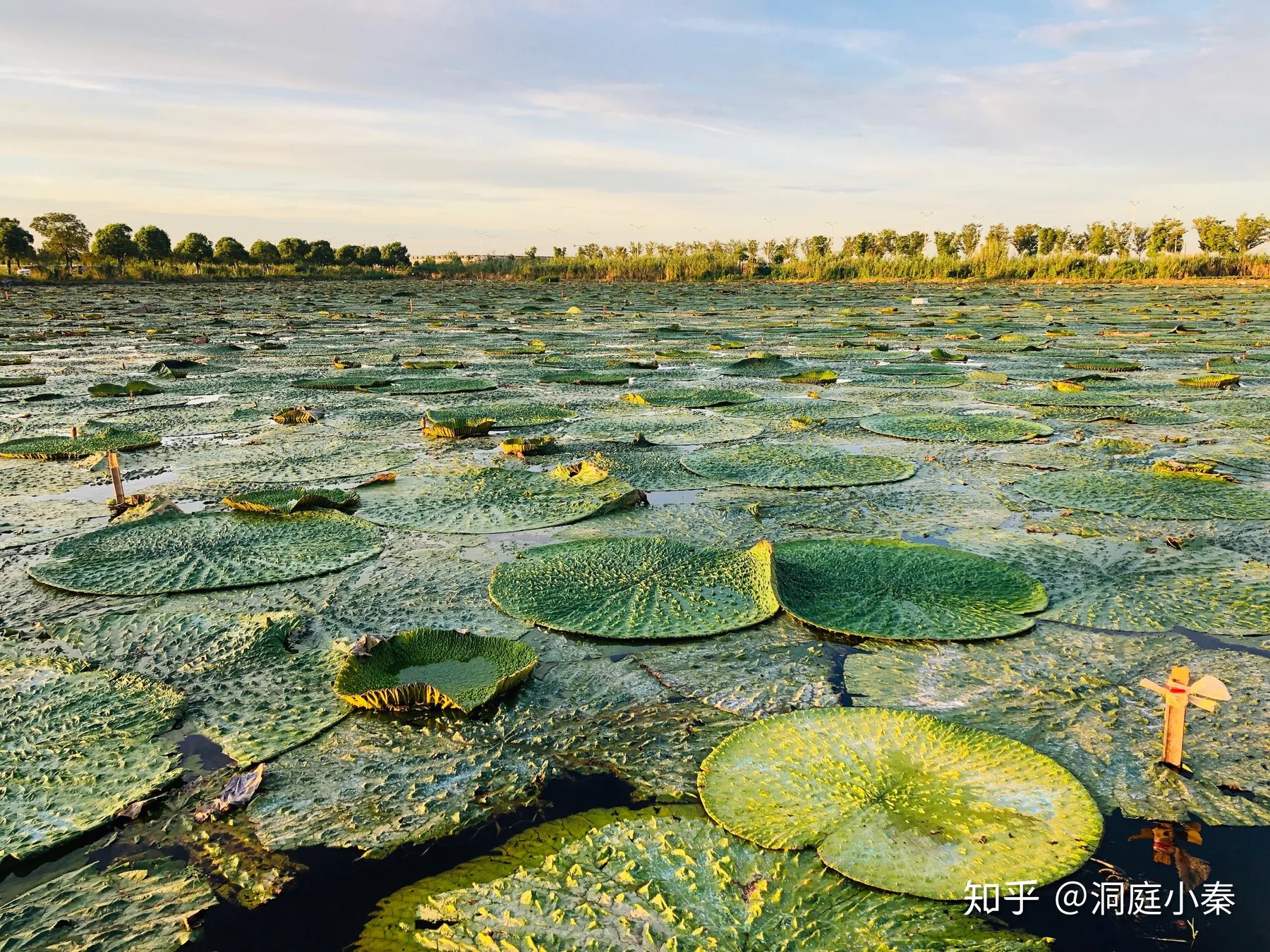
It grows in water, a large annual aquatic herb, generally prickly. Its leaves take two forms, submerged and floating; the floating leaf reaches 30-130 cm across, round or oval and shield-shaped, purple beneath. The flowers are purple-red, with a flowering season of July-August and a fruiting season of August-September — which is exactly why it arrives in autumn. The berry is spherical, blackish-purple with dense sharp spines, 3-5 cm across, hiding some 20-100 seeds each; the seeds are round, a little over a centimetre long.
Qian is widely distributed across the wetlands of East, South and Southeast Asia, and within China it is recorded from the northeast, Hebei, Shandong, Jiangsu, Zhejiang, Anhui, Hunan, Hubei, Jiangxi, Fujian, Guangdong, Guangxi, Sichuan, Yunnan and beyond. Its uses are many: the seed can be eaten, brewed into wine or made into secondary foods, and ground into "qian powder" it becomes the thickener in Chinese cooking — the "qian" in gouqian, "to thicken a sauce".
One of the "Eight Immortals of the Water"
In Jiangnan, jitoumi is usually mentioned alongside other aquatic crops, collectively the "Eight Immortals of the Water" (also the Eight Freshwater Delicacies) — water bamboo, lotus root, water dropwort, qianshi, arrowhead, water chestnut, water shield and water caltrop — most of them harvested in autumn. This is the traditional Jiangnan collection of aquatic vegetables, cultivation tied closely to the water-country geography and following a spring-plant, autumn-harvest rhythm.
Each has its own character: water shield comes in spring and autumn crops, most abundantly from Lake Tai, and the classical allusion chunlu zhi si ("thinking of water shield and perch") refers to it; water caltrop eaten fresh is called a "water chestnut", while the mature ones are ground for starch. And qianshi is often placed first among them, valued both as food and in traditional dietetics — the Compendium records it as "fortifying the kidney and nourishing essence".
Suzhou's jitoumi
Suzhou is a major growing area. Take Luzhi town in Wuzhong district: it has built the Chenghu Eight Immortals of the Water Ecological Park, and Luzhi's jitoumi has earned both a national geographical indication for agricultural products and green-food certification, and a place in Jiangsu's important agricultural heritage. On 26 September 2025 the first "jitoumi fresh-tasting market" opened at the Chenghu park in Luzhi — once the season arrives, this is an occasion in Suzhou.
How to eat it
The classic preparation is the simplest: simmer with a little rock sugar, or scatter osmanthus over it, and bring to the boil. No thickening, no milk — the point is the ingredient itself: soft, fragrant, springy and sweet on the finish. Suzhou insists on "clear", precisely so nothing masks that fragrance.
Beyond the sweet soup, qianshi works in savoury dishes too: the qian powder it yields is the star of Chinese thickening, and in savoury cooking it often meets small shrimp and seasonal greens.
Practical
- Season: flowering July-August, fruiting August-September — autumn is the window
- How to eat: simmer with rock sugar or osmanthus, served hot; avoid heavy seasoning
- Texture: soft and glutinous, fragrant, springy, with a sweet finish; small round white kernels
- Origin reference: Luzhi town, Wuzhong district, Suzhou (Chenghu Ecological Park); Luzhi jitoumi holds a national geographical indication
- Don't confuse: jitoumi = qianshi = the seed of qian; "qian powder" is the starch ground from it — different forms of the same plant
Related
- Suzhou Noodles and Dim Sum: The Craft Behind a Bowl
- Sanxia and Fengzhen Noodles: Suzhou's Two Summer Bowls
Photos
Sources
- Wikipedia: Euryale ferox
- Baidu Baike: Eight Immortals of the Water