Sanxia and Fengzhen Noodles: Suzhou's Two Summer Bowls
World Travel 编辑部 · 2026-09-10 · 10 min read
Sanxia and Fengzhen Noodles: Suzhou's Two Summer Bowls
Suzhou eats by the solar term. Spring brings rice-wine cakes and qingtuan; autumn puts hairy-crab noodles on the table; winter swaps in mutton. And for summer, the city has two bowls it refuses to skip — sanxia noodles and fengzhen noodles. What they share: each is made for a single season, and comes off the menu once the season ends.
Sanxia noodles: one shrimp, three ingredients
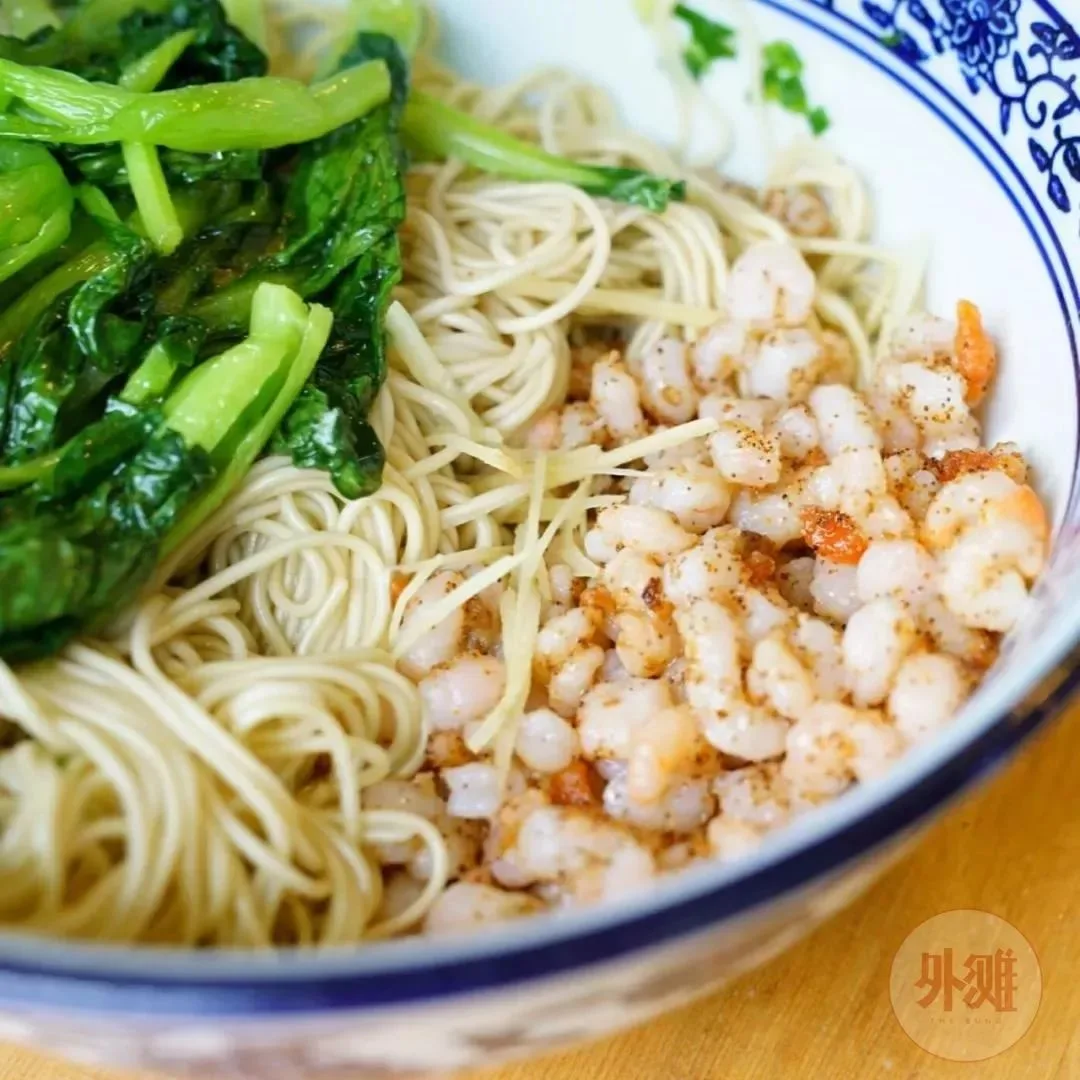
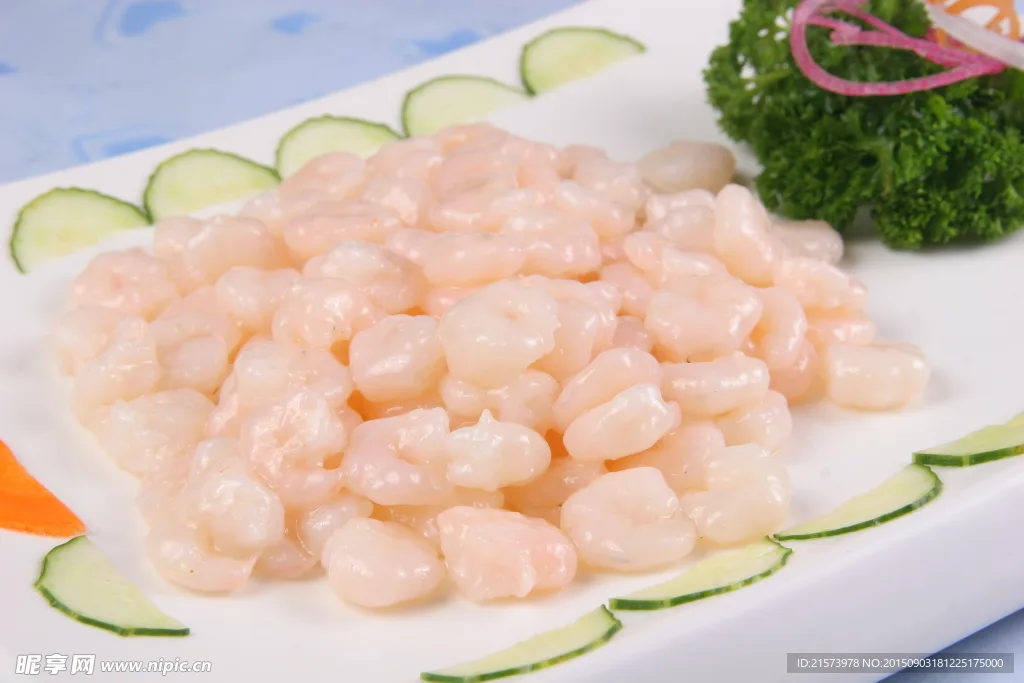
Sanxia mian ("three-shrimp noodles") uses shrimp roe, shrimp brain and shrimp meat as its topping, over noodles that are supple and slippery in a rich, savoury broth. All three come from a single shrimp — and it has to be a female river shrimp in spawning season, the only time roe, brain and meat are all present at once.
The work is all in the dismantling: peeling out the meat, extracting the brain, rubbing loose the roe, then simmering with shrimp-roe soy sauce and scallion oil. When the topping hits the wok the heat has to be judged precisely, purely to keep the shrimp meat crisp. Traditionally the topping is stirred into Suzhou-style noodles arranged in a "crucian carp's back" ridge; at some shops a server does the mixing at the table.
By origin, sanxia noodles trace to a Shanghai restaurant's early-1920s idea of pairing the three shrimp parts with noodles. Today it is an early-summer dish around the Jiangsu-Zhejiang-Shanghai region, served only from around the Dragon Boat Festival into June-July. Come at the right time or not at all. Representative kitchens include Suzhou's Suyuzhai (featured in the series Once Upon a Bite); set prices mostly run from 50 to 158 yuan. Suzhou has spun off related dishes such as sanxia tofu and shrimp-oil tossed noodles.
Fengzhen noodles: fermented rice in a white broth
Fengzhen damian (also fengzhen damian or fengzhen white-broth pork noodles) comes from Fengqiao town in Suzhou, with several origin stories — an imperial visit on a southern tour, or a late-Qing invention. It too is a summer seasonal, made famous by season two of A Bite of China, listed among "Jiangsu's Top Ten Noodles", and its technique entered the Suzhou municipal intangible heritage list in 2015. Its character is summed up as "clear broth, tender meat, springy noodles".
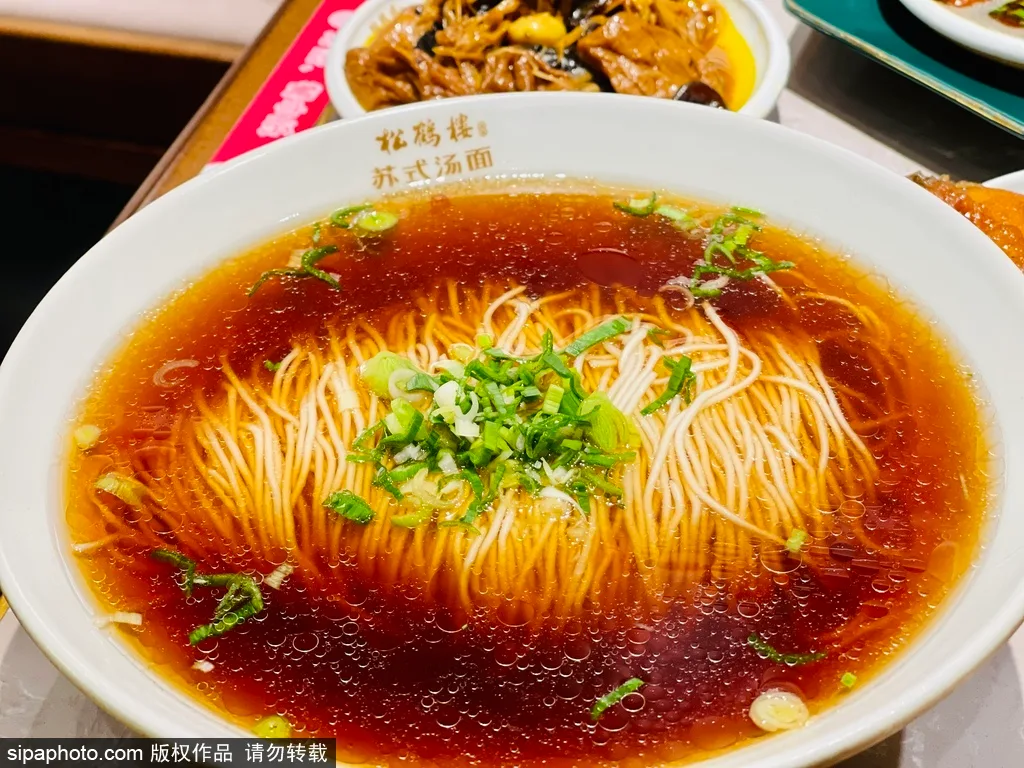
The distinctive step is the broth. It is a white broth, built by a "assembled broth" method — combining fermented-rice liquor, the braising liquid from the pork, and a broth of meat juices and eel bones. The result is clean-tasting with a sweet finish, a different road entirely from the deep savouriness of a red broth. The topping is pork belly simmered for hours until fall-apart tender yet intact, rich but not greasy; the noodles are Suzhou's fine silver threads, "long and thin, chewy and smooth", again ridged into a "crucian carp's back". Its flavour is described as "three excellences": fine broth, thoughtful topping, springy noodles.
Why Suzhou's seasonal noodles are so particular
Behind it sits an entire system. Suzhou-style noodle soup can be traced back a thousand years, first appearing in Tang and Song texts, reaching its modern form and full technique in the Qing. It splits into red and white broths, both simmered slowly from pork bone, chicken carcass and eel bone, and both aiming for "clear but not greasy"; noodles should show the "Guanyin head, carp back" form. The topping repertoire is enormous — Suzhou noodle soup once set a world record with 518 toppings, adjusted with the seasons.
Locals also keep their own code: noodles from the first pot of broth at dawn are "first-broth noodles"; extra scallion is "heavy green"; a topping served on the side is "across the bridge"; and the service standard is that "the person waits for the noodles" — the noodles never wait. That culture is the foundation the seasonal bowls rest on.
How to plan it
To eat both in one trip, June-July is the only window — that is when sanxia and fengzhen overlap. Suggestions:
- Morning: get to an old noodle shop for first-broth noodles, clearest broth and thinnest crowds
- Midday: keep it for a proper meal; leave noodles to the two ends of the day
- If you can only manage one bowl, take sanxia — its window is shorter, so pin it down first
Practical
- Season: sanxia noodles around the Dragon Boat Festival into July; fengzhen noodles through summer
- Vocabulary: extra scallion = zhong qing; topping served separately = guo qiao; first broth of the day = tou tang mian
- Flavour note: white broth is deliberately "clear but not greasy" — if you want the dark, savoury one, that is red broth
- Price guide: sanxia noodle sets mostly 50-158 yuan
- Before you go: sanxia tofu and shrimp-oil tossed noodles are local spin-offs worth trying
Related
- Suzhou Noodles and Dim Sum: The Craft Behind a Bowl
- Guanqian Street and Taijian Long: The Old Guard of Suzhou Cuisine
Photos
Sources
- Baidu Baike: sanxia noodles, fengzhen noodles, Suzhou-style noodle soup