The Beilin Museum: Nine Centuries of Steles in the Confucian Temple
World Travel 编辑部 · 2026-09-16 · 6 min read
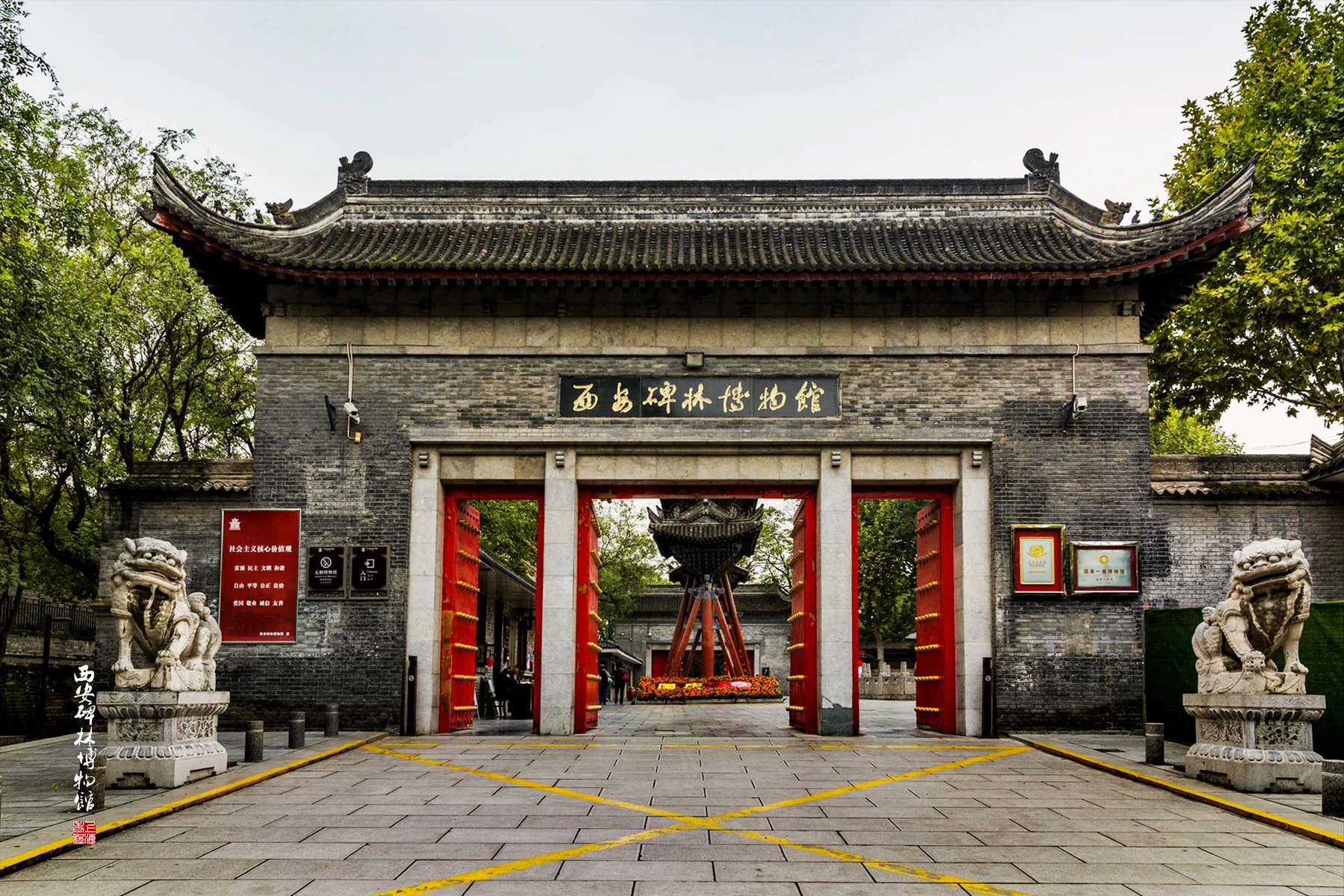
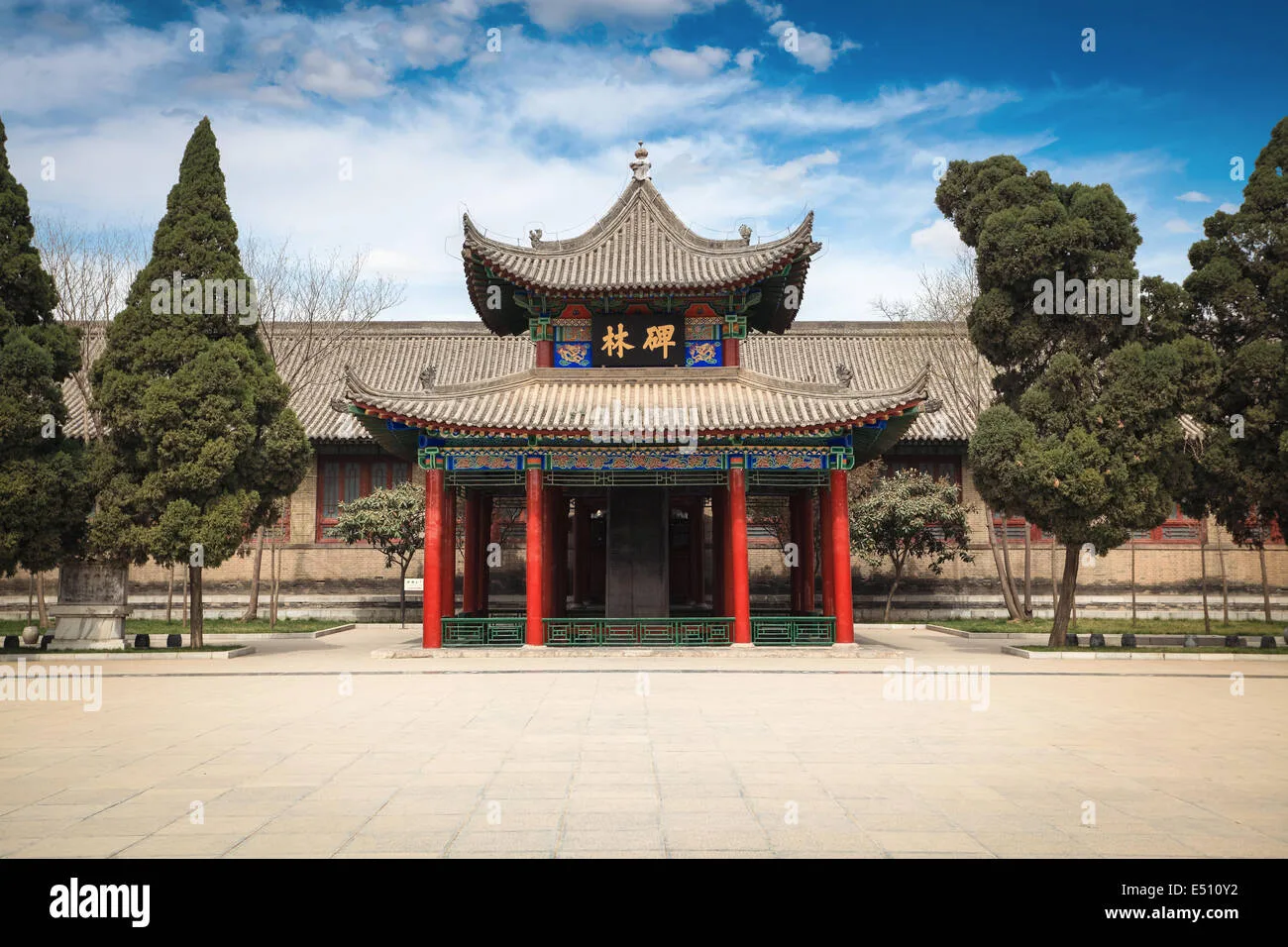
In 1087, to safeguard the Kaicheng Stone Classics and the Shitai Filial Piety Classic among other inscriptions, a dedicated store for steles was set up in Chang'an. Nine centuries later it has become the Beilin Museum — the "forest" in its name refers to steles standing thick as trees.
From a stele store to a museum
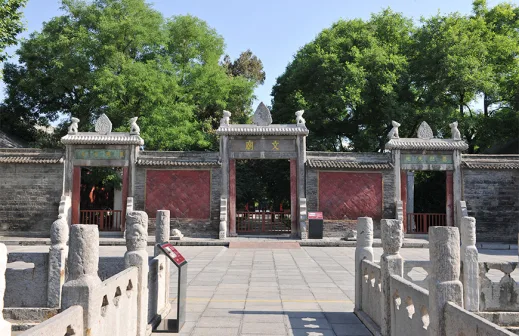
The collection traces back to 1087, when it was founded to hold the Kaicheng Stone Classics, the Shitai Filial Piety Classic and other key inscriptions. In 1103 the holdings moved to the present site on Sanxue Street in Beilin District, establishing the basic layout; through the Jin, Yuan, Ming and Qing it was repaired and expanded, and Confucian temple buildings were absorbed into it, producing a combined temple-and-school compound.
The museum itself dates to 1944, the earliest museum founded in Shaanxi. When the Shaanxi History Museum opened in 1991 the old provincial museum split in two and the Beilin became independent. On 12 May 2025 the expanded museum reopened.
The pieces that matter
The site comprises the Confucian temple, the stele forest and a stone-carving hall, covering 31,900 sq m with eleven exhibition rooms and 4,900 sq m of display area.
As of 2024 the collection numbers 14,338 items or sets, 2,264 of them graded treasures, with 19 groups and 134 pieces listed as national first-class relics. The Nestorian Stele, the Six Steeds of Zhao Mausoleum and the Jingyun Bell are among those barred from leaving the country for exhibition. The temple's screen wall, archways, ornamental pool, Lingxing Gate, huabiao columns, ceremonial gates and side halls survive largely from the Ming and Qing. Flanking the small hall are the Tang Jingyun Bell — cast in the second year of the Jingyun era, over twelve centuries ago — and the stone horse of the Xia dynasty.
Patience is the point
The Beilin is not immediately spectacular. It is closer to an archive you read slowly: on one stele a calligrapher studies the brushwork, a historian reads the text. See the temple layout first, then the famous steles, then the stone-carving hall — three passages, each with its own pace.
Practical Notes
- Allow two hours to move between the new north building and the older halls.
- The Jingyun Bell here is the Tang original; the one in the Bell Tower is a copy.
- Shuyuanmen is next door — a natural stop for the calligraphy and painting street.
Related
- Shaanxi History Museum: A National Collection in a Tang-Style Complex
- The Bell and Drum Towers: Two Timekeepers Above the Four Great Streets
- Small Wild Goose Pagoda: The Thirteen Storeys and the Morning Bell
Photos
Sources
- Wikipedia: Beilin Museum (Stele Forest)