The Mausoleum of Qin Shi Huang: The Tomb That Has Never Been Opened
World Travel 编辑部 · 2026-09-16 · 6 min read
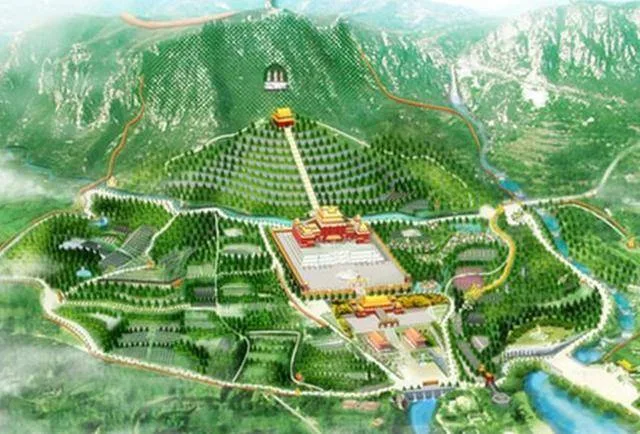
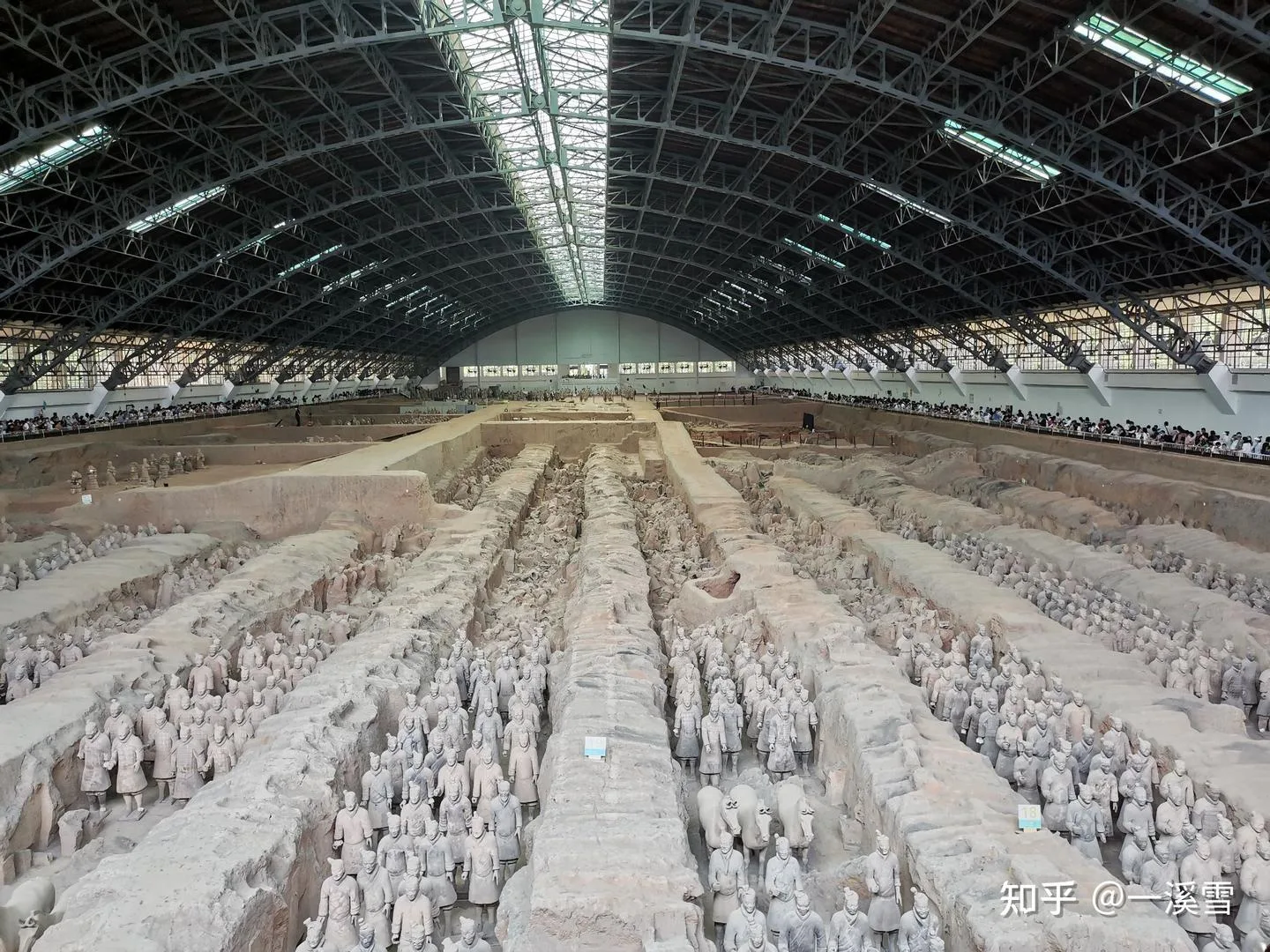
Looking west from the Terracotta Army, the unremarkable mound at the northern foot of Mount Li is the mausoleum of the First Emperor. Known in Qin times as the Lishan Garden, its core chamber has never been actively excavated — what you see is the earthwork above it.
A necropolis, not a mound
The mausoleum lies at the northern foot of Mount Li in Lintong District, Xi'an. Its plan centres on the tumulus and an underground chamber, ringed by inner and outer walls, with ritual buildings, attendant tombs, burial pits and the graves of the tomb workers around them. Excavation shows the layout imitates the Qin capital Xianyang: the inner wall runs some 2.5 km and the outer wall about 6.3 km.
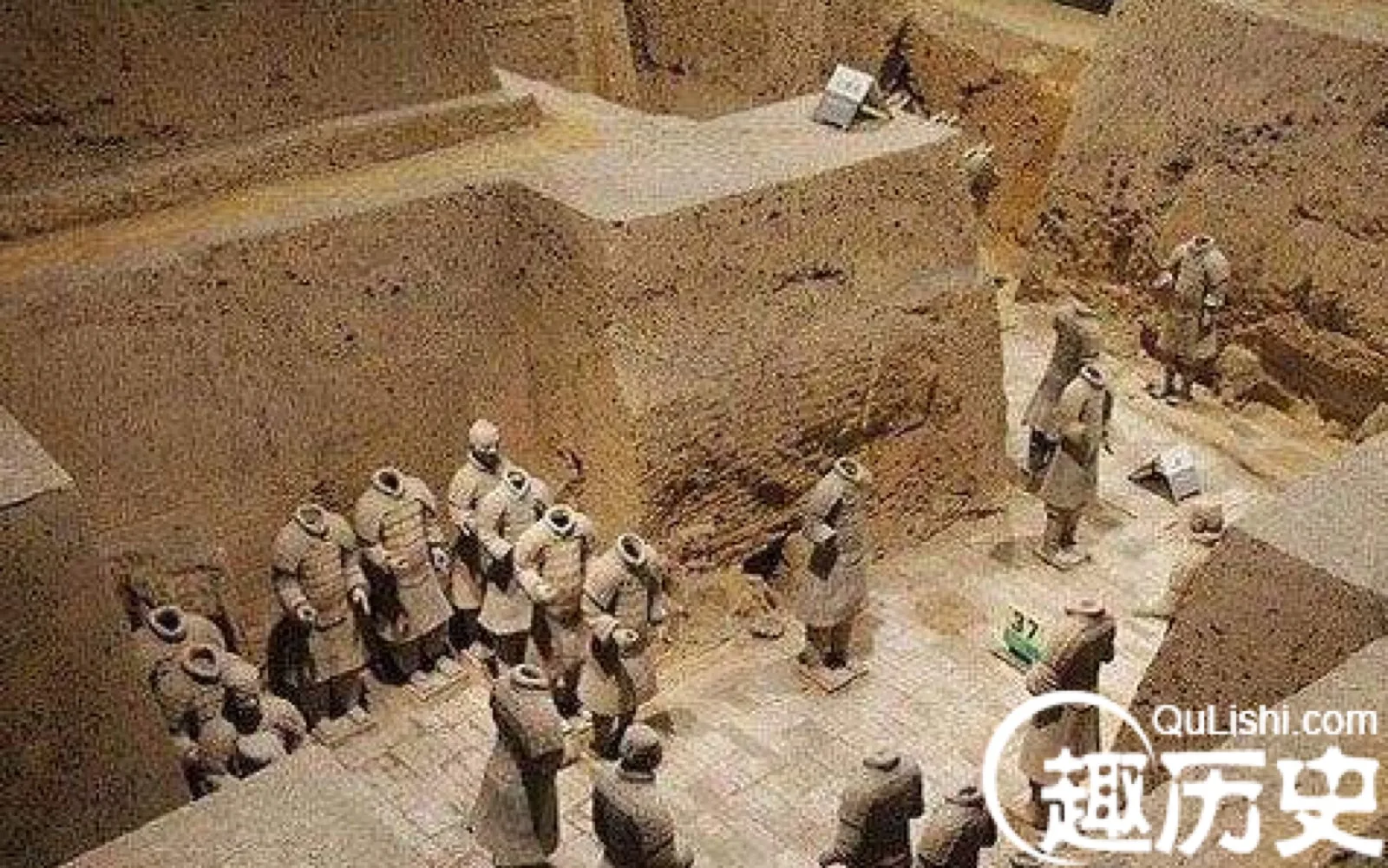
The present tumulus measures 350 m north–south at its base, 345 m east–west, and 76 m high. The Terracotta Army, in other words, is only one of many pits found so far; the whole necropolis is far larger than a single mound.
The chamber in the Records, and the mercury
The Records of the Grand Historian describe a chamber that "cut through three springs", with a bronze outer coffin and halls filled with officials, wonders and rare objects, and rivers and seas of quicksilver. Long read as literary flourish.
Geophysical survey by the mausoleum's archaeological team indicates a chamber roughly ten storeys below ground, about 80 m by 50 m and some five storeys high — the area of ten basketball courts — with passages on the east and west. Survey has also found anomalous mercury levels in the tumulus area. The chamber's actual structure and condition remain unconfirmed by excavation.
The U-shaped water barrier
One discovery is remarkable. A U-shaped underground dam wraps the south, east and west of the tomb, facing the direction in which groundwater flows in from Mount Li — consistent with Han texts that speak of cutting through three springs and sealing them below.
The trench was dug deeper than the tomb itself, through three groundwater layers; once water entered, it was backfilled with enormous quantities of fine green clay to form an underground barrier. Survey suggests it still keeps water out.
Visiting
The necropolis is large and its sights are spread out; the tumulus, the inner-city remains and the display areas are the core. In 1961 the tomb was listed among the first batch of Major Historical and Cultural Sites Protected at the National Level, and in 1987 it was inscribed on the World Heritage List together with the Terracotta pits.
Practical Notes
- See the army first and the tomb second — the route flows that way, and the tomb alone reads as empty.
- The area around the tumulus is mostly ruins and planting, with long walks; allow over an hour.
- It shares the Lintong axis with Huaqing Palace and Mount Li, so all three fit into a day.
Related
- The Terracotta Army: Reading the Underground Legions of Qin
- Huaqing Palace: The Imperial Hot Springs Below Mount Li
- Mount Li: A Fault-Block Ridge West of the Wei River
Photos
Sources
- Wikipedia: Mausoleum of the First Qin Emperor
- Wikipedia: Terracotta Army