Weiyang Palace: The Great Audience Hall of Han Chang'an
World Travel 编辑部 · 2026-09-16 · 5 min read
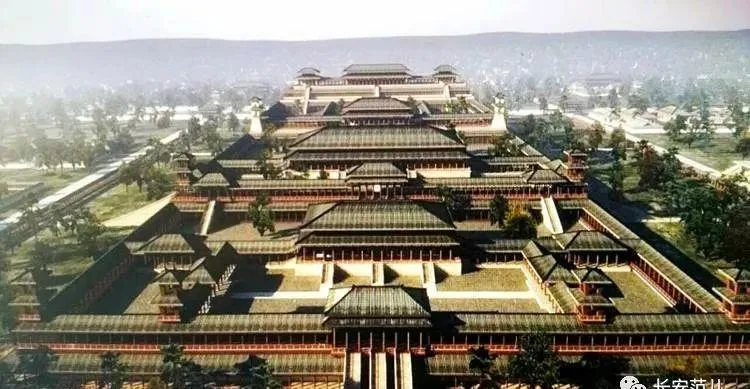
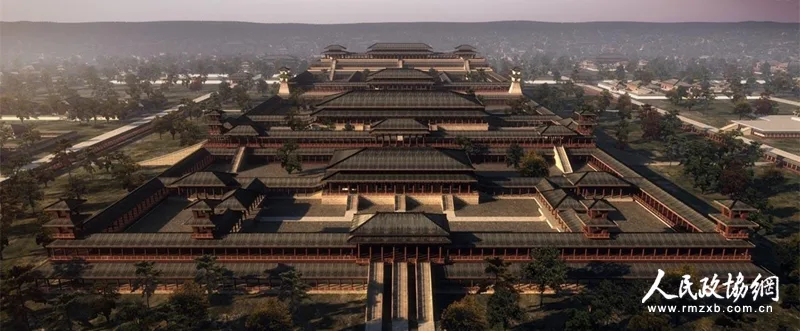
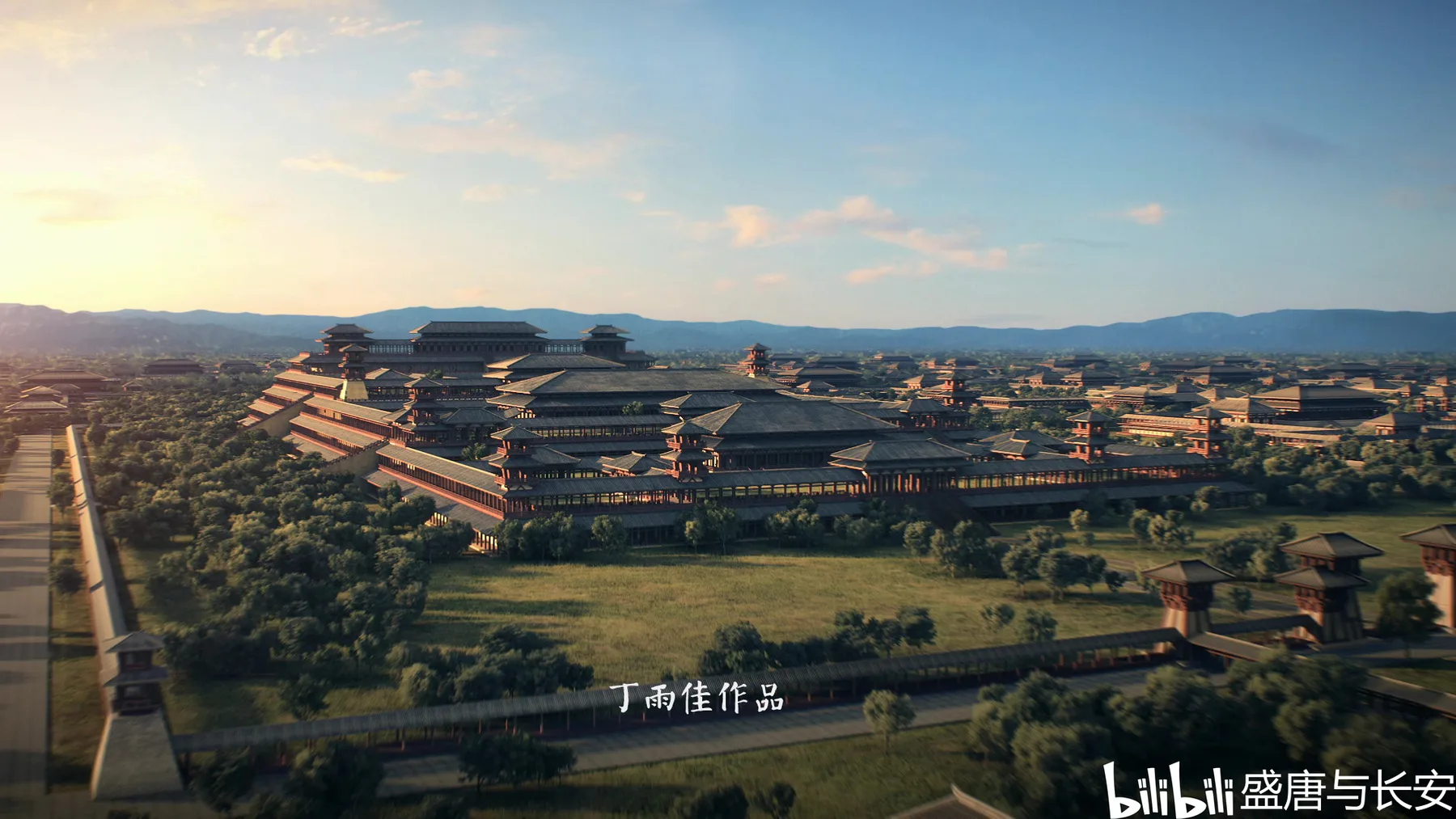
In 200 BCE, under the supervision of Liu Bang's chancellor Xiao He, a palace rose on the Zhangtai foundations at Longshou Heights — the highest ground in the southwest of Han Chang'an. Lying west of the city's Anmen Avenue, it was also called the Western Palace. This was Weiyang Palace, the great audience hall of the Western Han.
Two centuries at the centre of government
Weiyang Palace was the political heart and national symbol of the Han. From its completion every Western Han emperor lived here, making it the seat of government for more than two hundred years. Precisely for that reason, in later poetry "Weiyang Palace" became almost a synonym for the Han court.
Names of this kind often outlive their buildings: the palace is long gone, but the name stayed in the language.
A palace in use for 1,041 years
After the Western Han it remained a seat of government under Xin, the Western Jin, the Former and Later Qin, the Western Wei and the Northern Zhou, and in Sui and Tang times it was folded into the imperial park. In use for 1,041 years, it is the palace that served the most dynasties and lasted longest in Chinese history.
Weiyang Palace also marks the eastern end of the Silk Road. What remains today are ruins and platforms, which you have to reconstruct in your head.
How to read the ruins
At large rammed-earth platforms such as the front hall of Weiyang Palace, what matters is scale: standing on them gives a sense of Han palace volume that no reconstruction drawing can replace. Read the panels and plans first, get your bearings, then look at the fabric.
Practical Notes
- It lies within the Han Chang'an city site, fairly open country — driving or a taxi is easier.
- Little shade in summer; bring sun protection and water.
- Though also Han, Yangling is out towards Xianyang, so plan it as a separate trip.
Related
- Yangling: The Tomb Complex of Emperor Jing and Empress Wang
- Daming Palace: The Greatest Palace Complex of Tang Chang'an
- Xi'an City Wall Half-Day Guide: From Yongning Gate to Hanguang Gate
Photos
Sources
- Baidu Baike: Weiyang Palace